


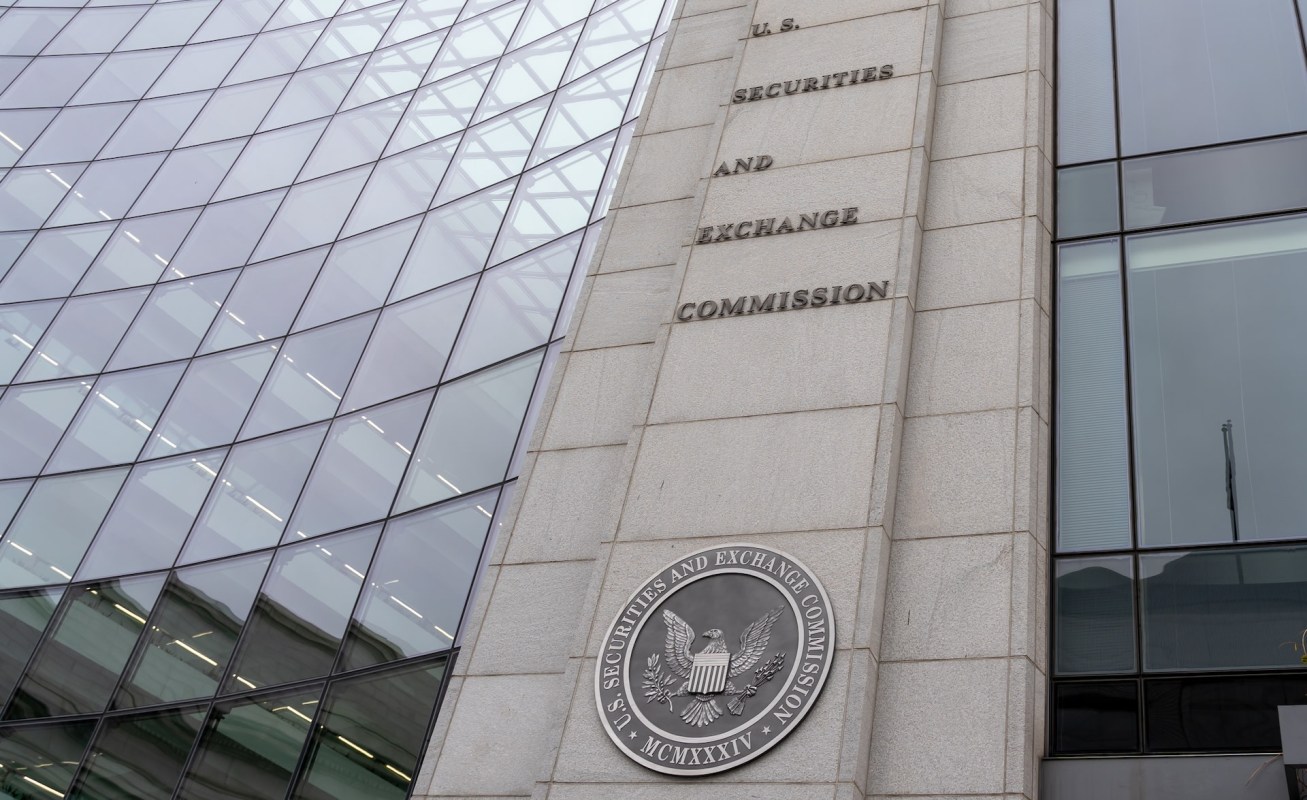
The U.S. Securities and Exchange Commission has halted the implementation of its climate disclosure rule. This regulation would have required publicly traded companies to disclose risks related to extreme weather and environmental changes.
What's happening?
Acting SEC Chair Mark Uyeda ordered a federal appeals court to delay arguments in an ongoing lawsuit over the rule, signaling that the regulator may roll back the requirement altogether.
In a statement addressing the decision, Uyeda stated, "The rule is deeply flawed and could inflict significant harm on the capital markets and our economy."
Many argue this decision is unwise, as the rule provides crucial information for investors assessing financial risks tied to environmental factors.
Clara Vondrich, senior policy counsel with Public Citizen's Climate Program, issued a statement addressing the situation. In the statement, Vondrich wrote, "This move demonstrates a fundamental disregard for retail investors who need clear and consistent financial risk disclosures so they can invest their hard-earned savings wisely."
Why is this move concerning?
Pausing the climate disclosure rule could create uncertainty for investors, companies, and the broader public.
Without transparency, businesses may struggle to prepare for extreme weather events and regulatory shifts. Investors, in turn, lose access to critical data that could impact financial markets.
Beyond the financial sector, rolling back climate risk disclosures could slow momentum toward corporate accountability in mitigating environmental harm.
As extreme weather events become more frequent and costly, a lack of standardized reporting may leave communities, workers, and consumers in the dark about how businesses manage these risks.
And extreme weather is already extraordinarily costly to address. For instance, according to Ohio University, the recent L.A. wildfires alone will cause between $250 billion and $275 billion in damages and economic losses.
TCD Picks » Quince Spotlight
💡These best-sellers from Quince deliver affordable, sustainable luxury for all




|
Do you think gas stoves should be banned nationwide? Click your choice to see results and speak your mind. |
 No way 👎
 What's being done about climate transparency?
Despite the SEC's shift, corporate climate transparency remains a priority for many. Several states and international regulators are advancing similar reporting requirements.
Meanwhile, investors and advocacy groups continue to push for voluntary corporate climate disclosures, with many companies recognizing the business case for proactive risk management.
What does this mean for you? One way to make an impact is to support companies that are already vocal about their contributions toward a more sustainable future.
Deloitte found that 64% of Gen Z are willing to pay more to purchase sustainable products, which is a huge step in the right direction.
So, while the future of the SEC's climate disclosure rule remains uncertain, the broader movement for corporate climate accountability is unlikely to slow down.

Join our free newsletter for good news and useful tips, and don't miss this cool list of easy ways to help yourself while helping the planet.
Cool Picks




