


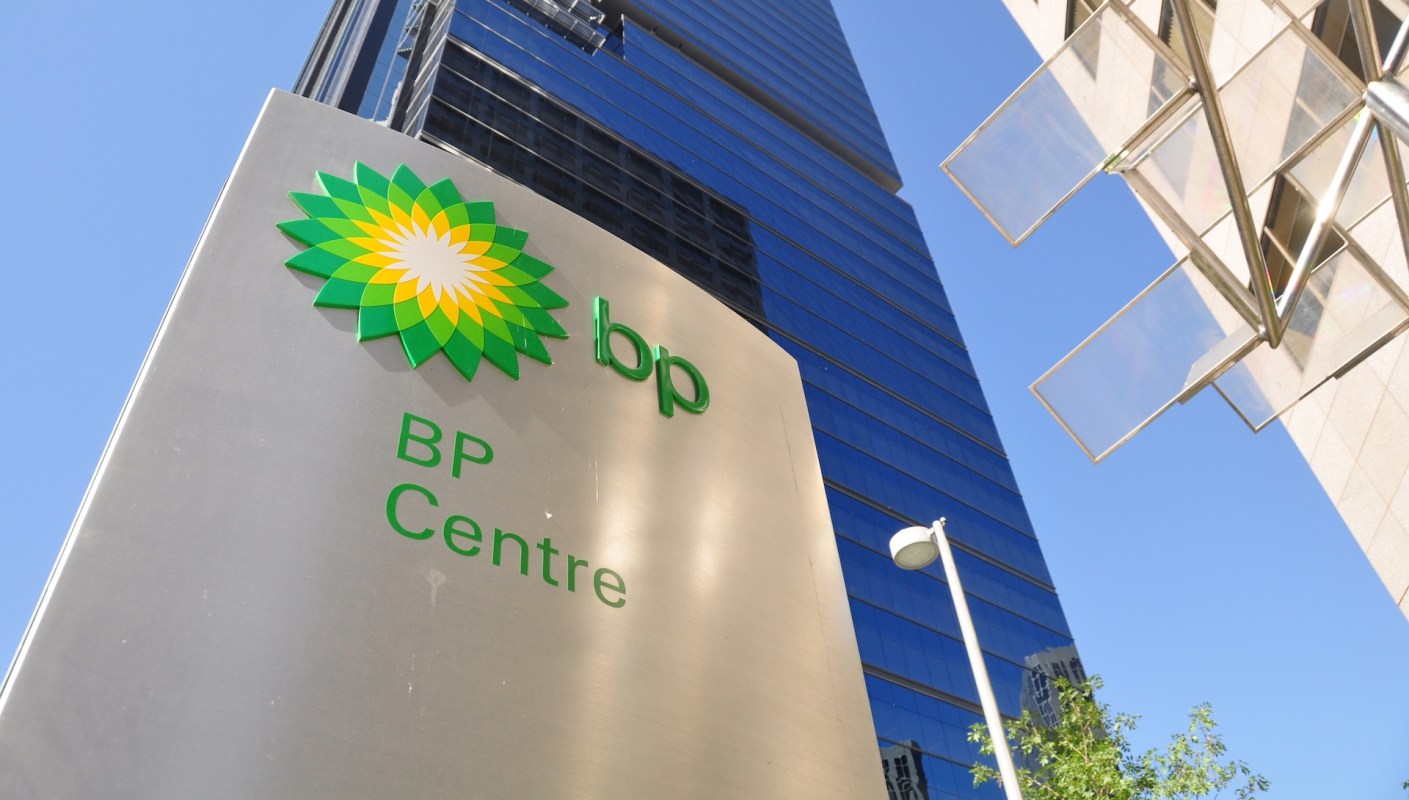
A Congressional delegation is calling on BP to answer questions about a pipeline leak in the Pacific Northwest.
What's happening?
Washington lawmakers want answers after BP's Olympic Pipeline — which runs 400 miles from Washington to Oregon and is the primary transporter of gasoline, diesel, and jet fuel in the region — leaked an estimated 2,300 gallons of fuel into Snohomish County's water and soil.
Unfortunately for travelers, the incident occurred just weeks before a busy Thanksgiving weekend. It disrupted flights at Seattle-Tacoma International Airport, and many motorists expected to pay more at the gas pump.
Those who hit the road in electric vehicles were at least protected from the most direct financial impacts — and were in an even better position if they charged at home. To experience the convenience and cost-savings of domestic EV charging, Qmerit offers free, instant installation estimates for Level 2 chargers.
Meanwhile, the governors of Washington and Oregon declared a state of emergency as they worked to mitigate the impact on constituents while crews scrambled to contain the leak, according to the Oregon Public Broadcasting and a media release from the office of U.S. House Representative Emily Randall, one of the delegates who demanded answers from BP.
Why is this concerning?
The Olympic pipeline resumed normal operations after nearly two weeks of temporary fuel stoppages and flight disruptions, but this isn't the first time BP has been involved with a leak.
Infamously, Deepwater Horizon (a BP-operated offshore drilling rig) lives on in memory and consequence as one of the most catastrophic oil spills in U.S. history.
In the Pacific Northwest, the Olympic Pipeline has experienced three significant incidents since 2023. As the delegation noted in its letter, the latest leak may meet federal criteria to be considered the fourth in merely two years.
Save $10,000 on solar panels without even sharing your phone number Want to go solar but not sure who to trust? EnergySage has your back with free and transparent quotes from fully vetted providers in your area. To get started, just answer a few questions about your home — no phone number required. Within a day or two, EnergySage will email you the best options for your needs, and their expert advisers can help you compare quotes and pick a winner. Solar panels can save you more than $50k over their 25-year lifespan, and EnergySage can help you save as much as $10k on installation. Which begs the question — isn't that worth an email or two? |

"While we are relieved that the pipeline is now operational, this malfunction jeopardized airline operations, farmlands, water safety, wildlife habitat, and public health," the delegation wrote to BP North America CEO Murray Auchincloss.
"Further, we are concerned because this spill is part of a decades-long history of spills and ruptures in the Olympic Pipeline."
|
Do you think fracking should be illegal in America? Click your choice to see results and speak your mind. |
 Yes — everywhere 👏
 What's being done about this?
BP agreed to answer questions about the pipeline leak no later than Jan. 8, according to the media release.
As part of its query, the delegation asked BP to investigate the source of the leak, take corrective action, and work with authorities to minimize travel disruptions in the event of an emergency. Yet hesitation abounds over whether BP can be trusted.
"Given the history of the Olympic Pipeline, Washington residents must have confidence that BP is treating this most recent leak with all due seriousness," the lawmakers wrote.
As state officials work out how to best manage fuel supply, you can take action to protect yourself against pipeline-related disruptions by phasing out more dangerous energy sources.
Already, charging an EV at home can save you hundreds of dollars every year. Qmerit can help you get started on Level 2 charger installations after you answer a few simple questions.
The Solar Explorer can help you further reduce the costs of EV ownership by charging with solar energy. TCD's vetted partners offer competitive bids and can save you $10,000 on solar installations.

Get TCD's free newsletters for easy tips to save more, waste less, and make smarter choices — and earn up to $5,000 toward clean upgrades in TCD's exclusive Rewards Club.
Cool Picks





