


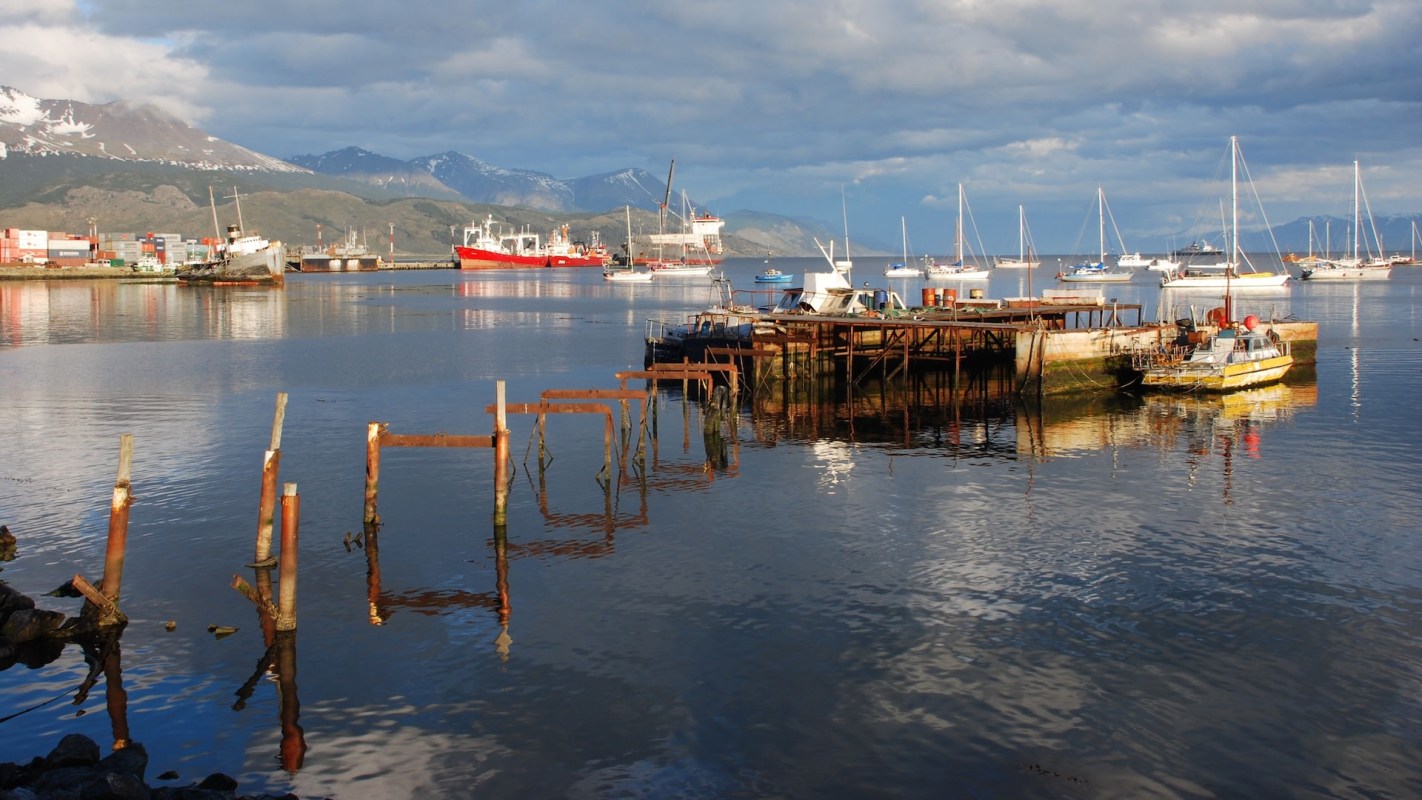
Argentina's Tierra del Fuego was the world's first region to ban salmon farming in the open sea. Despite the ban being in effect since 2021, lawmakers recently advanced a proposal to roll back the groundbreaking law, reported Noticias Ambientales.
What's happening?
In early August, four deputies from the Fuegian Legislature's Natural Resources and Environmental Protection Committee approved a report to overturn the salmon farming ban. By reimplementing salmon farming, lawmakers hope to boost economic activity and attract investment in the area.
However, critics believe it could be at the expense of public health, indigenous rights, and the local environment.
Why is salmon farming a problem?
Salmon farming was banned in Tierra del Fuego for a few reasons. The method required cages to raise salmon in the open sea, a practice with many consequences.
Fish raised in these cages are often treated with antibiotics to reduce the spread of parasites and infections, according to Mongabay. This practice can pollute waters and contribute to antibiotic resistance, which is a growing public health concern.
The industry also threatens the cultural and ancestral ties to the sea for indigenous people. Local communities have long relied on healthy marine ecosystems for their food, livelihoods, and identities. The harm salmon farming creates in the area with little oversight directly affects these communities.
"I find it a serious lack of respect for the multiple indigenous communities," said Leticia Caro, a member of the Kawésqar Community Nomadic Sea Family Groups, per Noticias Ambientales.
Another problem is that salmon have escaped the cages — sometimes hundreds of thousands at a time. When they aren't native to the area, they compete with native species for food and habitat space. This can lead to native species dying off.
Case in point: Salmon farming contributed to a 47% population decrease for Tasmania's Maugean skate between 2014 and 2021.
What's being done to protect Argentina's marine ecosystems?
Pablo Villegas, who authored the original law banning salmon farming in Tierra del Fuego, stated that he will file an objection to the overturn.
TCD Picks » Upway Spotlight
💡Upway makes it easy to find discounts of up to 60% on premium e-bike brands




|
Do you think fracking should be illegal in America? Click your choice to see results and speak your mind. |
 Yes — everywhere 👏
 Advocates are also hard at work. Environmental activist Martina Sasso is one of many, dedicating her time to protecting Argentine marine life through research, raising awareness for laws, and lobbying work. Her current projects include regrowing kelp forests and protecting sharks from hunters and hobbyists.
Argentine scientists, like Adrian Schiavini, are also speaking out against environmentally unfriendly practices like salmon farming. "This proposal to modify the law seems like a new attempt to advance with a polluting production model that has already left dead zones in Chile," he said, per Noticias Ambientales.
But what drives many decisions affecting marine ecosystems is lawmakers. Vote for pro-climate candidates who work to solve climate issues affecting environments across the world.

Join our free newsletter for good news and useful tips, and don't miss this cool list of easy ways to help yourself while helping the planet.
Cool Picks





