


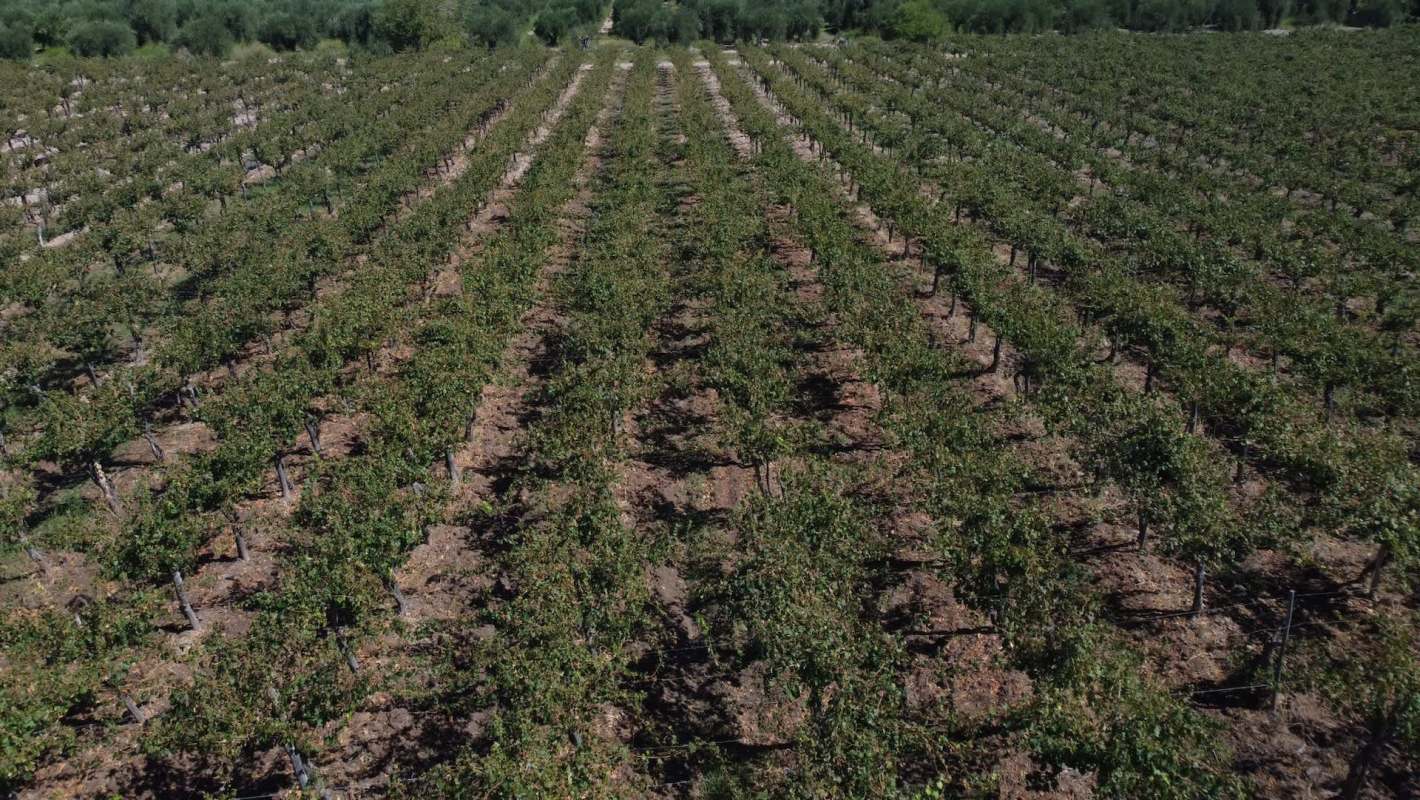
California farmers say they're facing a painful reality this growing season: watching food go unharvested as financial pressures make it harder to bring crops to market. As trade disputes and labor shortages collide, growers say it's pushing some farms to the brink.
What's happening?
Sacramento County farmers said federal tariffs and trade disruptions have cut demand for agricultural products, including wine grapes — historically the county's top crop.
Canada, for example, has slashed its demand due to costly tariffs. As a result, vineyards are struggling to sell their harvests. "You don't see a bottle of California wine in Canadian stores, and they were 40% of our exports," said Ken Oneto, director of the Sacramento County Farm Bureau, to KOVR.
In 2025, wine grape sales in Sacramento County generated more than $167 million, but growers said profits have dropped so steeply that farmers have been forced to leave grapes unpicked on the vine. Other crops are also going unharvested.
U.S. Rep. Ami Bera, who met with farmers to hear their concerns, said, per CBS13: "It's horrible that crops would go to waste when so many American families are struggling to put food on their table."
Making things worse is a shortage of farm labor, exacerbated by immigration policy changes and uncertainty over the future.
Why are these farming challenges concerning?
Agriculture generates more than $500 million annually in Sacramento County, supporting farmworkers, truck drivers, processors, and rural communities. When farmers can't afford to harvest, those economic effects spread beyond the farm itself.
The waste is also concerning. Unharvested crops mean lost water, energy, fertilizer, and labor — all used to grow food that ultimately feeds no one. This mirrors what's happening in the Mississippi Delta, where rice farmers face a crop surplus. At the same time, many households have seen rising grocery bills and are even struggling to put food on the table.
"I hear from folks every day that they're going to the grocery store, they're spending the same amount of money, but now they've only got a [half] bag of groceries," Bera said, per CBS13.
If farmers don't see relief, it could push them to sell their land to developers, reduce planting in future seasons, or exit agriculture altogether. Ultimately, that affects our food security and increases our reliance on imports.
TCD Picks » Quince Spotlight
💡These best-sellers from Quince deliver affordable, sustainable luxury for all




What's being done to help farmers?
Lawmakers said they're working to address the crisis, though relief may take time. Bera said passing a long-delayed federal farm bill is a priority. Local farm groups are urging federal officials to reconsider trade policies that disproportionately affect agricultural exports, warning that farmers are often the first casualties in trade disputes.
In the meantime, individuals can help by supporting local farms at farmers' markets and pushing for policies that protect growers. While no solution will fix the issue overnight, growers warn that if nothing changes, more food could continue to go to waste.
|
What's the most you'd pay per month to put solar panels on your roof if there was no down payment?
Click your choice to see results and speak your mind. |
 $200 or more 💰
Get TCD's free newsletters for easy tips to save more, waste less, and make smarter choices — and earn up to $5,000 toward clean upgrades in TCD's exclusive Rewards Club.
Cool Picks




