


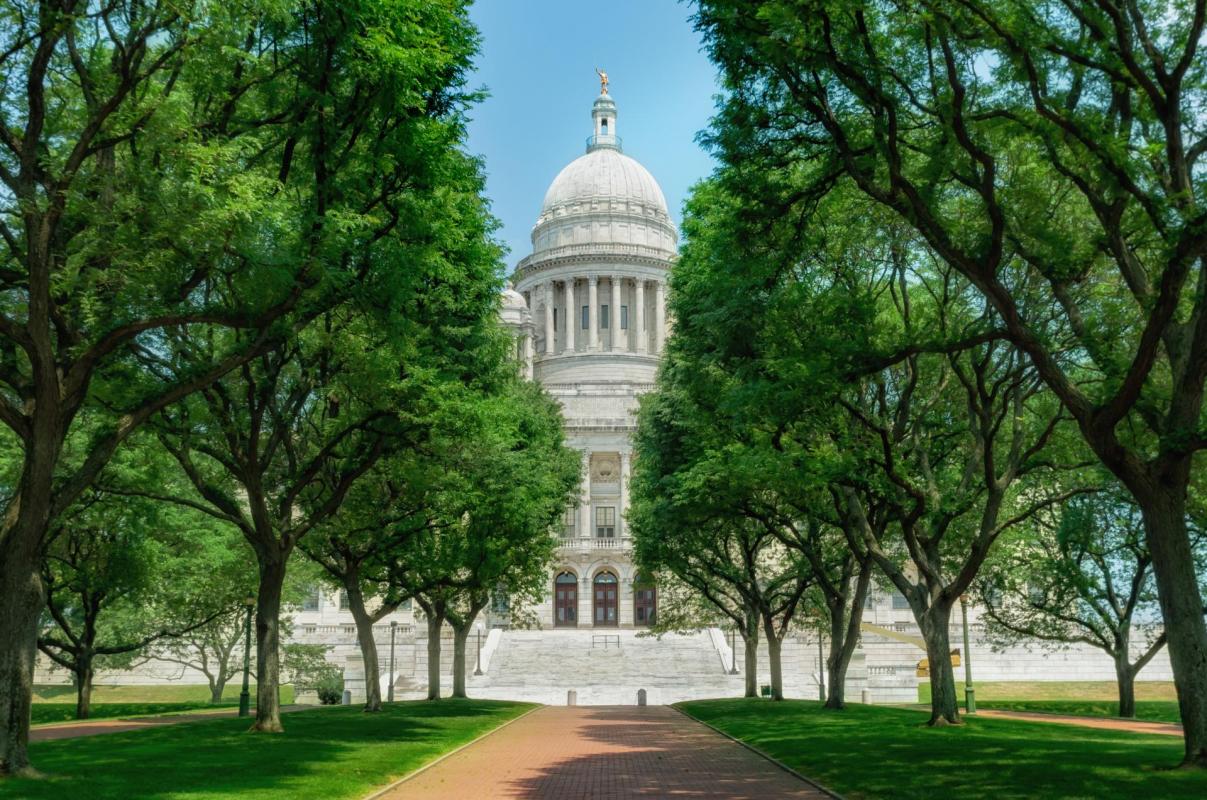
Rhode Island Gov. Dan McKee is facing backlash over a proposal to roll back clean energy incentives in the name of affordability — a move critics say could lower bills briefly while locking families into higher, more unstable energy costs long-term.
What's happening?
According to the Rhode Island Current, McKee's fiscal 2027 budget proposes rolling back key clean energy incentives, including a major change to the state's Renewable Energy Standard. That law, passed in 2022 and previously championed by McKee, requires Rhode Island to reach 100% renewable electricity by 2033.
Under the proposal, more than half of the roughly $1 billion in projected savings for energy customers would come from pushing Rhode Island's 100% renewable electricity deadline back 17 years, from 2033 to 2050 — a change expected to cut $64 million from bills in 2027 and $572 million over the next five years, according to the state Office of Management and Budget.
Tina Munter, a policy advocate with the Green Energy Consumers Alliance, called the plan "mind-boggling."
"Rhode Island's reliance on natural gas for heating and electricity is what keeps the region in flux with energy prices," Munter said, per the Current. "The longer we rely on natural gas, the longer we're stuck in a cycle of seeing [energy] bills spike, seeing ratepayers be confused and shocked and surprised, versus having more stability."
Why is this concerning?
Critics said the proposal prioritizes short-term relief at the expense of long-term affordability and public health. Rolling back clean electricity requirements prolongs dependence on gas — a fuel with highly volatile prices — while weakening incentives that help households lower bills permanently through efficiency upgrades and electrification.
TCD Picks » Quince Spotlight
💡These best-sellers from Quince deliver affordable, sustainable luxury for all




Emily Koo of the Acadia Center warned that capping energy efficiency funding ignores long-term savings for families. "It's a serious concern of mine to cap energy efficiency and to imply that cutting energy-efficiency spending will benefit Rhode Islanders," she said, per the Current.
Environmental and health impacts are also at stake. "The savings won't show up on your utility bill," Munter said, "but Rhode Islanders will see environmental and health consequences in their life if, for example, air quality worsens."
What's being done about it?
The proposal now heads to the Rhode Island General Assembly, where lawmakers have raised concerns about its alignment with the state's existing climate and energy laws.
Advocates argue that alternatives exist, including targeted bill discounts, grid modernization, and expanded efficiency programs, that could provide relief without derailing progress toward a more stable, affordable energy future.
In the meantime, residents can contact state lawmakers, follow upcoming budget hearings, and use existing energy-efficiency or electrification programs — such as home upgrades or heat pump incentives — while they remain available.
|
What's the most you'd pay per month to put solar panels on your roof if there was no down payment?
Click your choice to see results and speak your mind. |
 $200 or more 💰
Get TCD's free newsletters for easy tips to save more, waste less, and make smarter choices — and earn up to $5,000 toward clean upgrades in TCD's exclusive Rewards Club.






