


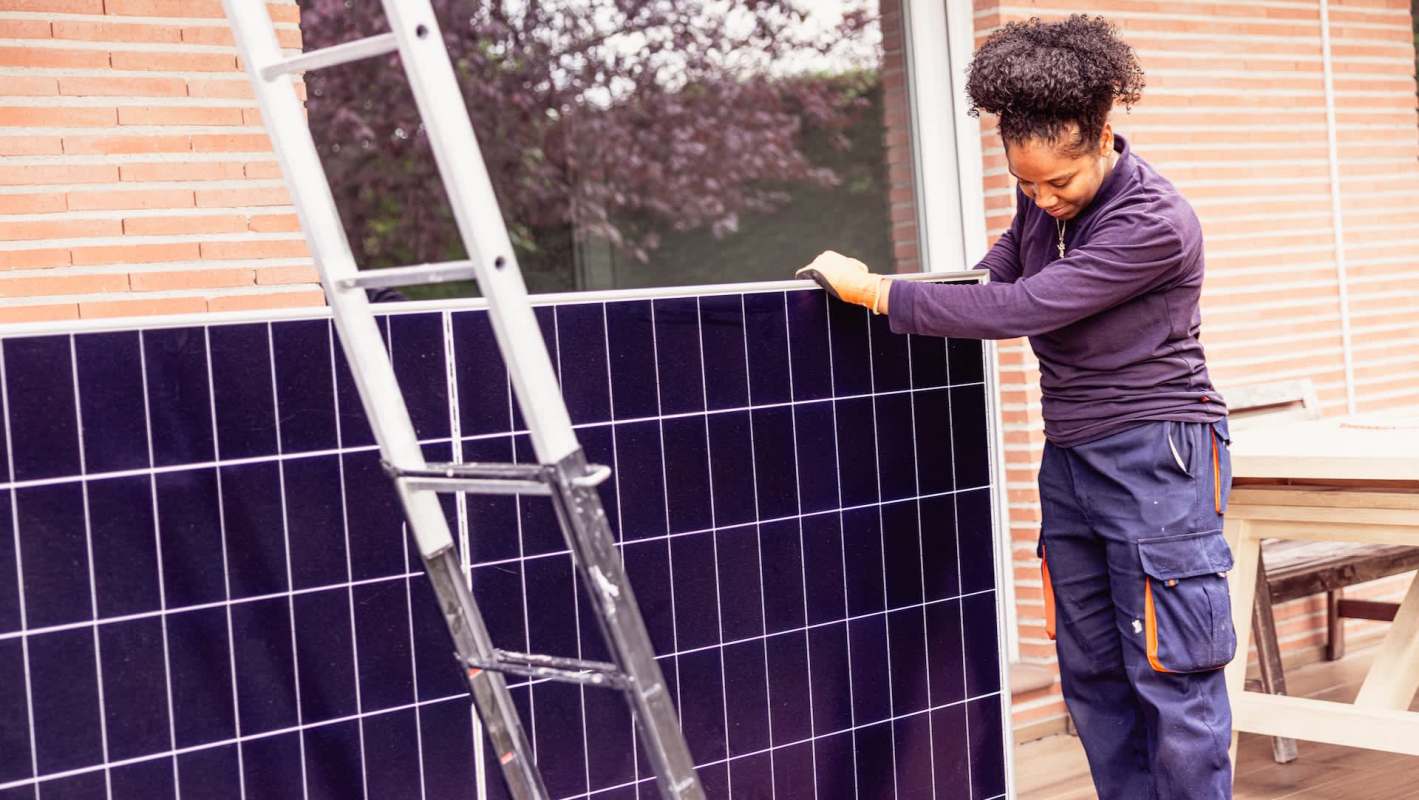
The future of U.S. solar is in flux as the industry reacts to the disappearance of federal tax incentives, according to the investment group Roth Capital Partners.
As PV Magazine reported, an industry note from RCP explained that, while utility-scale solar has more time to navigate these new conditions, the residential sector "is facing immediate pressure."
The firm's official projections expect a 33% year-over-year decline in residential solar volume in 2026.
While rooftop solar panels remain a proven way for homeowners to significantly cut energy bills and avoid rising utility costs, the 30% federal Investment Tax Credit, which helped offset installation costs, expired in 2025. Without that major incentive, the estimated payback period for home solar has increased.
However, regardless of what federal incentives are available, solar is still a worthwhile investment. In fact, over the lifetime of a solar panel system, some homeowners earn over six figures in savings by reducing their overall electricity bills.
To get quick solar installation estimates and compare quotes, connect with the experts at EnergySage and the company's free resources. You may be surprised by just how much you can save by switching to cleaner solar energy.
According to the report, investments in the clean energy sector are slowing due to uncertainty around new Foreign Entity of Concern, or FEOC, rules, which place restrictions on companies with financial or supply chain ties to certain countries. These rules could require publicly traded banks to prove that less than 15% of their debt is linked to restricted entities.
Some residential installers are already feeling the pressure from these tax shifts. One major financing company, GoodLeap, has reportedly already implemented price increases for certain projects.
Save $10,000 on solar panels without even sharing your phone number Want to go solar but not sure who to trust? EnergySage has your back with free and transparent quotes from fully vetted providers that can help you save as much as $10k on installation. To get started, just answer a few questions about your home — no phone number required. Within a day or two, EnergySage will email you the best local options for your needs, and their expert advisers can help you compare quotes and pick a winner. |

However, despite the shifting federal landscape, installing solar can still transform your home's energy use and lower your power bills. There may be more support on the way, as some lawmakers have signaled interest in restoring the Investment Tax Credit, which could bring back significant benefits for both homeowners and installers.
If you work with EnergySage to navigate solar quotes, you could save up to $10,000 on the cost of installing panels.
|
Which of these savings plans for rooftop solar panels would be most appealing for you?
Click your choice to see results and earn rewards to spend on home upgrades. |
 Save $1,000 this year 💸
 EnergySage even offers a mapping tool that lets you compare the average cost of solar in your area and get details on local incentives. It ensures you lock in the best price possible based on your home and budget.
While this report points to an uncertain future for residential solar, energy bills are already climbing. With an aging U.S. power grid and the rise of energy-hungry data centers, generating your own power is worth considering.
More From EnergySage
💡Go deep on the latest news and trends shaping the residential solar landscape

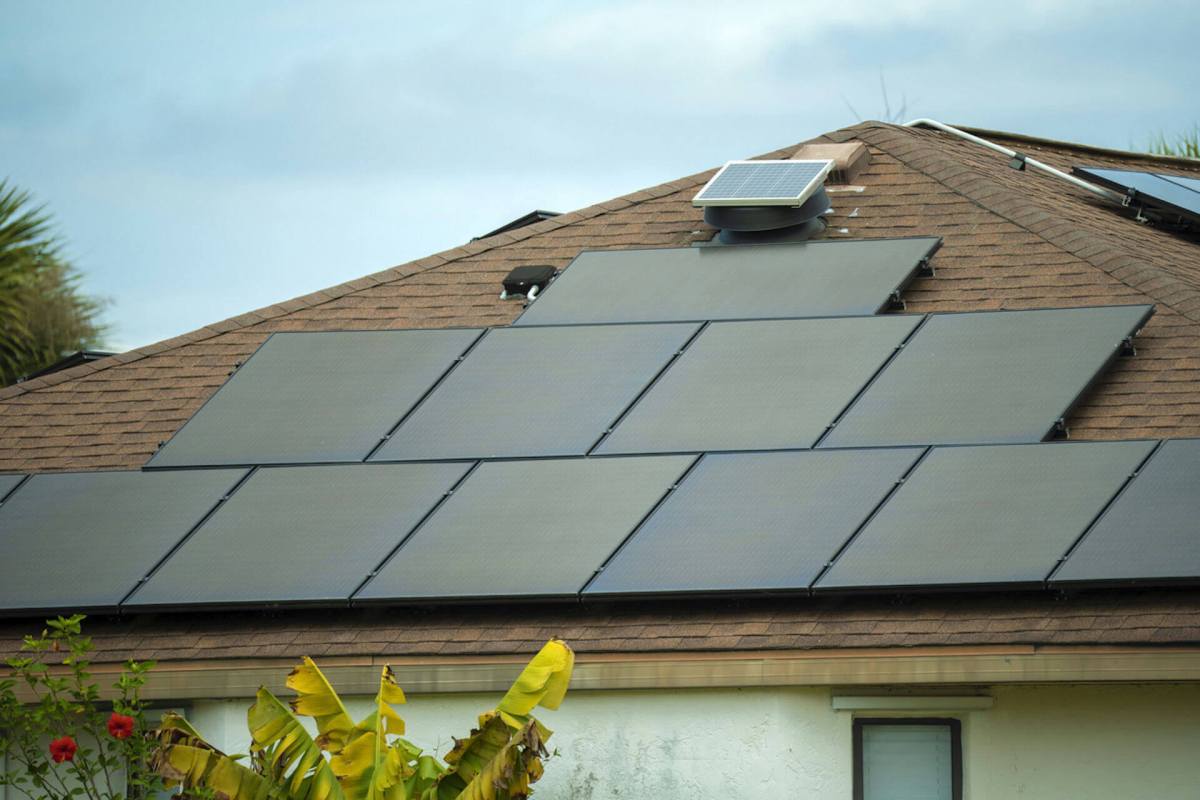

If you want to save even more on energy, protect your home from frustrating blackouts, or cut ties with the grid entirely, consider pairing home solar with a battery storage solution. EnergySage's free resources can get you started with competitive installation estimates.

Get TCD's free newsletters for easy tips, smart advice, and a chance to earn $5,000 toward home upgrades. To see more stories like this one, change your Google preferences here.






