


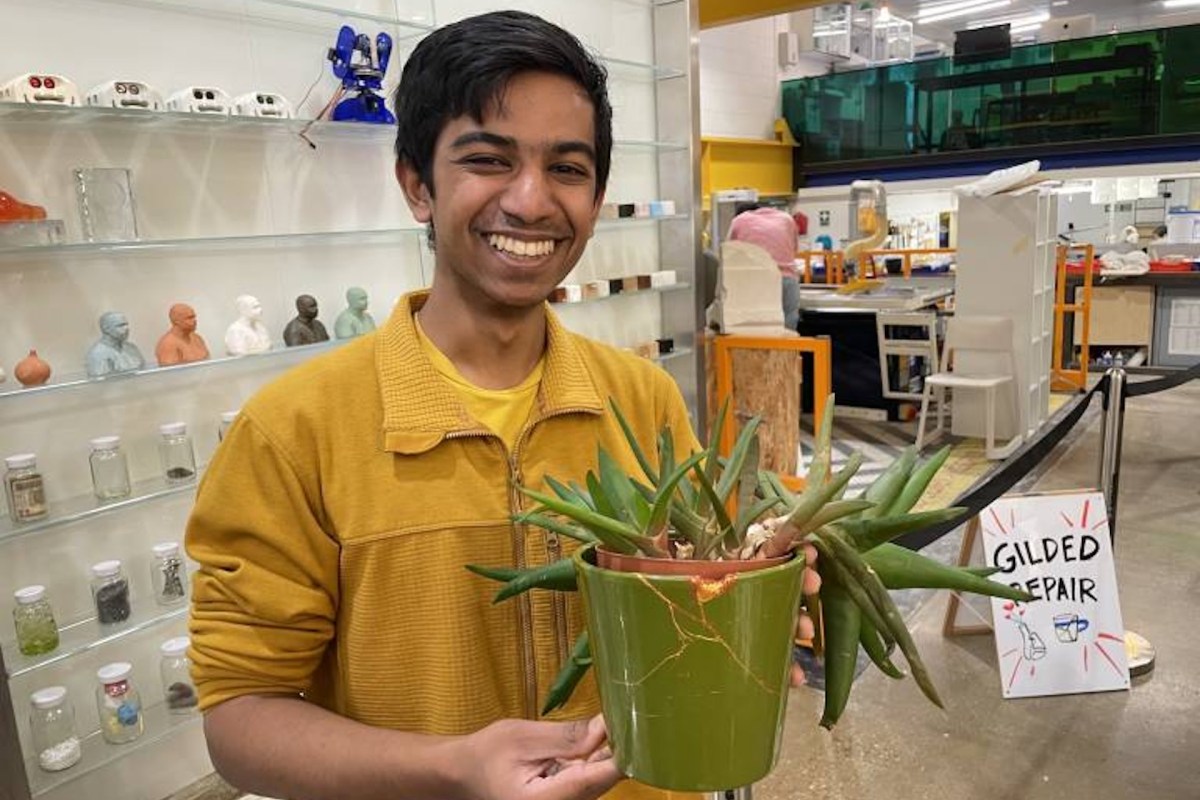
When Martine Postma opened the doors to the first Repair Café in Amsterdam in 2009, she had no idea she was planting the seeds of a worldwide movement. The idea was practical and refreshingly simple: gather people, roll up some sleeves, and work through their broken household items to see what could be repaired instead of discarded.
Postma's genius set off a chain reaction. Today, the Repair Café International Foundation oversees more than 2,500 volunteer-run workshops worldwide. Each is built on the same simple mission: bring people together to repair everyday items for free — and make it fun.
At the University College London workshop, for example, engineers and community members huddle over sewing machines or the occasional vintage radio. Materials scientist Mark Miodownik helps run the events, and he's blunt about the stakes.
"Waste drives economy, it turns out," he told Inside Climate News.
All this repair work pushes back against a system built on throwing things out. Every year, tons of perfectly good items land in the trash just because replacing them feels quicker than fixing or even recycling.
Those discarded products take resources to remake, fuel to ship, and space to bury — and communities pay the price. Repair Cafés step in just before waste is created and offer a different path. It's one that stretches the life of the things people already own.
Volunteers watch the difference it makes in real time. Fixing a lamp or stitching up a pair of jeans might seem minor, but it saves a trip to the store and keeps another item out of the trash. After a few repairs, people start thinking differently about what they can keep using.
"It changes your relationship to your things," said Suzie Fromer, coordinator at Sustainable Hudson Valley, which helps organize repair gatherings across New York.
From one small gathering, the idea has grown into an international network of Repair Cafés, including close to 70 in New York. Visitors bring in broken items, and volunteers walk them through possible fixes.
And the best part: anyone can be part of it. You don't need technical skills to join a Repair Café; curiosity is enough to get started. Bring a broken item, learn something new, and leave with a small victory that feels surprisingly big.
TCD Picks » Quince Spotlight
💡These best-sellers from Quince deliver affordable, sustainable luxury for all




"You see peoples' delight in bringing these things back to life," said Miodownik. "Their lives are just as rich having a repaired thing that's old than if they bought something new."
|
Which of these factors would most effectively motivate you to recycle old clothes and electronics?
Click your choice to see results and speak your mind. |
 Giving me money back 💰
Get TCD's free newsletters for easy tips to save more, waste less, and make smarter choices — and earn up to $5,000 toward clean upgrades in TCD's exclusive Rewards Club.
Cool Picks




