


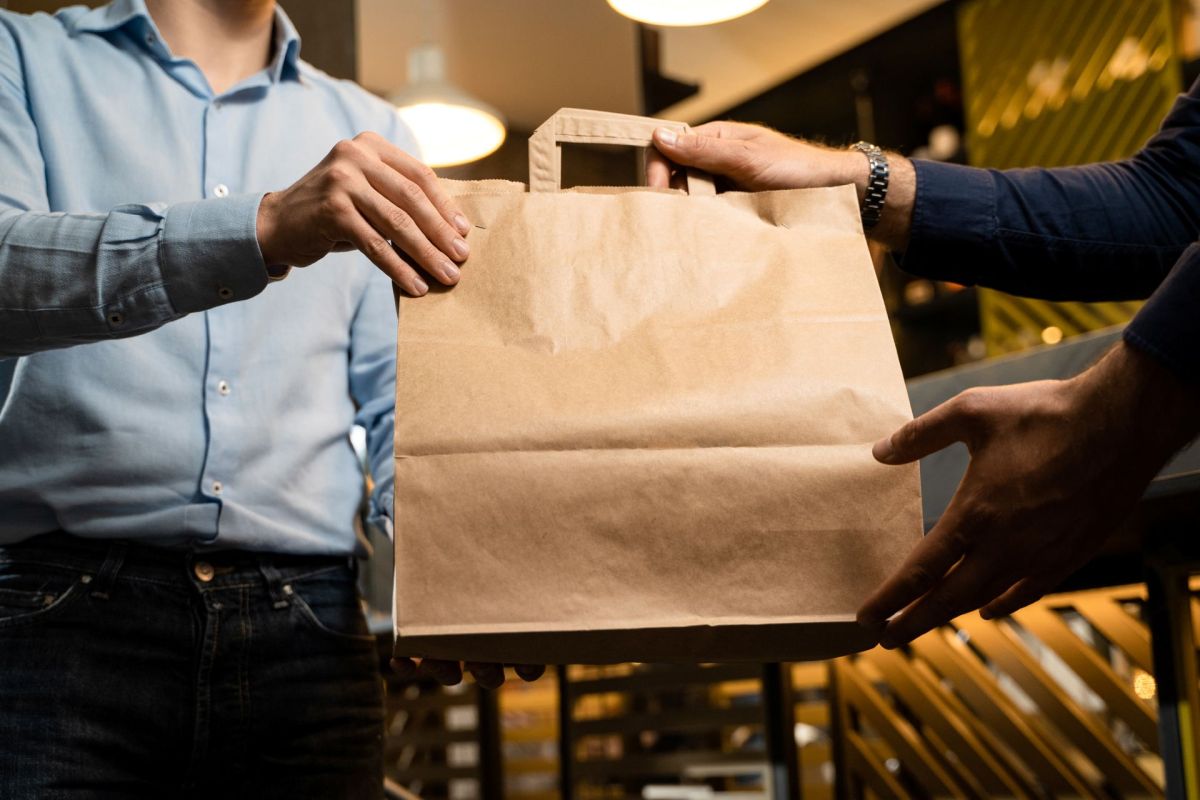
Ordering takeout offers a solution that is quick and convenient. If only the same could be said for dealing with the resulting waste from packaging, utensils, and containers.
CNET spoke with Jeremy Walters, a sustainability ambassador from Republic Services, to help clear up some of the common recycling do's and don'ts when it comes to takeout.
Proper recycling instead of "wishcycling" can help ensure that as many products as possible truly get recycled rather than getting sent to landfill because of contamination. It can also save labor in the form of sorting and extra work at recycling facilities.
The first thing Walters advises is getting a good handle on what can be recycled in the area. There's a common misconception that all takeout packaging is recyclable, especially if it has the recycling symbol on it. However, not all items are accepted by local programs.
Walters outlined the biggest culprits for takeout that are almost never recyclable. Those include Styrofoam and black plastic packaging, takeout containers, clamshells, plastic bags, utensils, and heavily soiled paper or cardboard products such as napkins, pizza boxes, and plates.
CNET pointed out that many cities and areas, including Austin, Texas, have composting programs that can accommodate these soiled paper products, so that's worth exploring.
There are a number of takeout containers that typically can be recycled. Walters advises that before tossing them in the bin, make sure you thoroughly rinse the containers to remove grease and food particles and prevent contamination of recyclable materials.
The list of commonly recyclable items includes clear plastic clamshell containers, aluminum foil containers, and non-soiled paper or cardboard, including bags, pizza boxes, napkins, and plates.
The above paper or cardboard products are generally preferable to plastic, so if you feel comfortable recommending them to a local restaurant, it's a great move. Another idea is avoiding plastic utensils entirely in favor of your own at home.
Taking proper steps to maximize recycling and minimize your own waste can be an important step in collectively cutting down on landfill waste and stemming the plastic pollution crisis.
TCD Picks » Quince Spotlight
💡These best-sellers from Quince deliver affordable, sustainable luxury for all




Not only are these the best practices for recycling and the planet, but they are also better for your health. Studies show that plastic from takeout containers and utensils can leach microplastics into your food, with worrisome health effects.
|
Which of these savings plans for rooftop solar panels would be most appealing for you?
Click your choice to see results and earn rewards to spend on home upgrades. |
 Save $1,000 this year 💸
Get TCD's free newsletters for easy tips to save more, waste less, and make smarter choices — and earn up to $5,000 toward clean upgrades in TCD's exclusive Rewards Club.
Cool Picks




