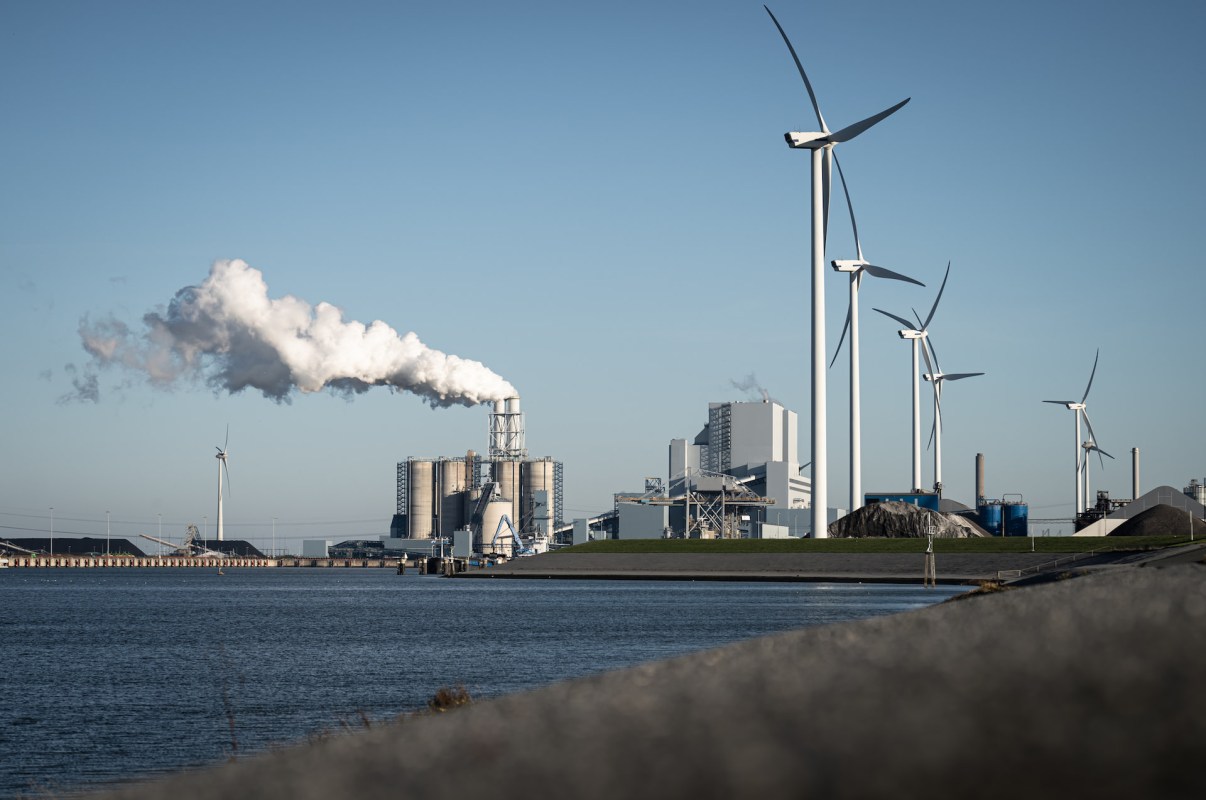
A new study from the Potsdam Institute for Climate Impact Research has identified a way to raise billions of dollars for climate action without hiking prices for everyday people, The Hindu BusinessLine reported.
The idea: Countries team up to place small fees on fossil fuel imports, then use the money to help developing nations shift to clean energy. According to the study, this could generate $66 billion every year.
The timing is important. At last year's COP29 climate summit in Azerbaijan, governments set a goal to raise $300 billion a year by 2035 to tackle the changing climate. But they left without agreeing on how to actually get the money.
The institute — a top climate think tank based in Germany that advises the United Nations and governments worldwide — said its plan provides a realistic path forward, one that could also help the United States as it balances climate commitments with concerns about energy costs.
Here's how it would work. If major fossil fuel-importing countries — such as members of the European Union or even China — introduced the fees together, they could raise far more than if they acted alone. The study also found the cooperation could reduce global fuel prices, balancing out the impact of the fees.
The potential benefits are striking. The research shows the plan could cut more than a billion tons of carbon pollution every year — more than Germany's current production. It could also prevent an estimated $78 billion in climate damages and save $19 billion annually on fossil fuel costs. For the U.S., where extreme weather already costs taxpayers billions of dollars each year, the savings would be felt indirectly.
Perk up the winter blues with natural, hemp-derived gummies Camino's hemp-derived gummies naturally support balance and recovery without disrupting your routine, so you can enjoy reliable, consistent dosing without guesswork or habit-forming ingredients. Flavors like sparkling pear for social events and tropical-burst for recovery deliver a sophisticated, elevated taste experience — and orchard peach for balance offers everyday support for managing stress while staying clear-headed and elevated.
Learn more → |

"This could go a long way to solving the problem, without extra cost to consumers," PIK Director and lead author Ottmar Edenhofer said. Fellow researcher Matthias Kalkuhl called the approach "a win-win" since both wealthy and developing countries could benefit.
Other countries are already experimenting with similar ideas, from new flight levies in Europe and Africa to a global shipping fee starting in 2027. While the U.S. hasn't embraced such measures, programs including California's cap-and-trade system show that market-based climate funding can work closer to home.
For American families, that means international cooperation could help spur climate action abroad while keeping household energy costs in check.
|
Should the government continue to give tax incentives for energy-efficient home upgrades? Click your choice to see results and speak your mind. |
 Absolutely 💯
Join our free newsletter for good news and useful tips, and don't miss this cool list of easy ways to help yourself while helping the planet.
TCD Picks » Upway Spotlight
💡Upway makes it easy to find discounts of up to 60% on premium e-bike brands





Cool Picks