


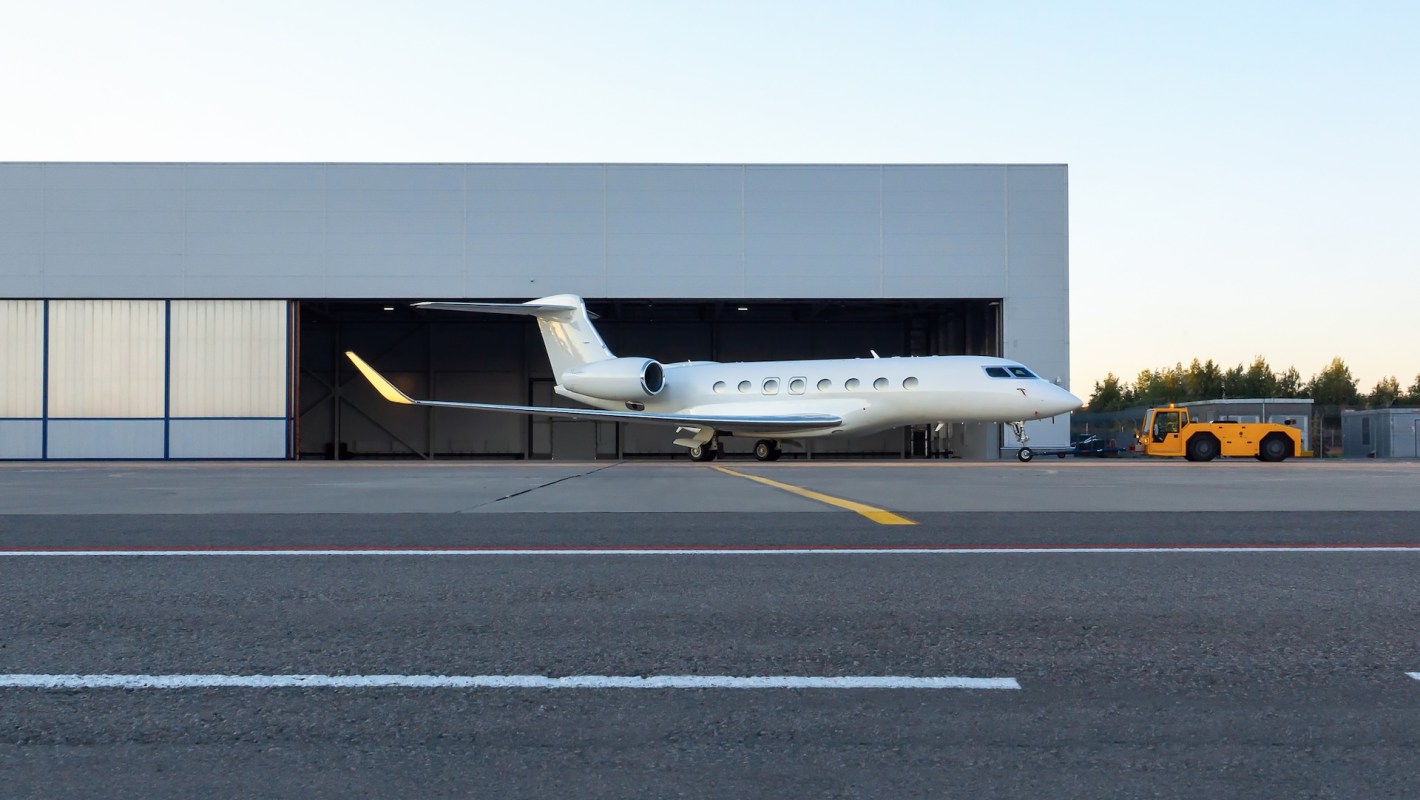
Bombardier Inc. has secured a bulk order worth about $1.2 billion from Vista Global Holding Ltd. for 40 Challenger 3500 private jets — a deal that underscores booming demand for luxury air travel even as global pollution continues to climb.
What's happening?
On February 11, Vista, a Dubai-based operator of business jets, said it reached an agreement with Canadian manufacturer Bombardier to buy 40 of the super-midsize Challenger 3500 aircraft, with deliveries scheduled over the next decade, as Bloomberg reported.
The deal includes options for up to 120 additional jets, which could raise the total to roughly $4.7 billion if exercised. The Challenger 3500 seats about 10 passengers and can fly nonstop between major global hubs such as New York and London.
Vista has framed the purchase as strategic fleet building rather than a short-term fleet expansion, reflecting a sustained surge in private aviation demand. Yet the transaction also highlights a contentious truth: The luxury aviation sector continues to grow at a time when experts say aviation pollution remains a major challenge.
Why is this concerning?
Private jets, while representing a small fraction of total aircraft, are disproportionately carbon-intensive. Research showed that private aviation's carbon pollution reached at least 15.6 million metric tons in 2023 — and it's rising faster than efficiency gains can offset.
Research by transport analysts found that private jets can release up to 40 times more carbon per passenger than commercial flights, owing largely to much lower occupancy.
As global aviation pollution continues to grow, such large bulk orders signal that high-end air travel may expand even while world leaders, scientists, and communities push for deeper pollution cuts.
What's being done about luxury jet pollution?
Some in the industry are investing in sustainable aviation fuels and carbon offset programs aimed at reducing life cycle pollution, though supply and adoption remain limited. Vista itself has highlighted SAF use and carbon mitigation strategies as part of its sustainability efforts.
Policy experts increasingly argue that broader regulation of private aviation pollution, including incentive structures for cleaner technologies and stronger reporting standards, will be needed to rein in the sector's growing climate footprint.
|
What's the most you'd pay per month to put solar panels on your roof if there was no down payment?
Click your choice to see results and speak your mind. |
 $200 or more 💰
Get TCD's free newsletters for easy tips to save more, waste less, and make smarter choices — and earn up to $5,000 toward clean upgrades in TCD's exclusive Rewards Club.
TCD Picks » Quince Spotlight
💡These best-sellers from Quince deliver affordable, sustainable luxury for all




Cool Picks




