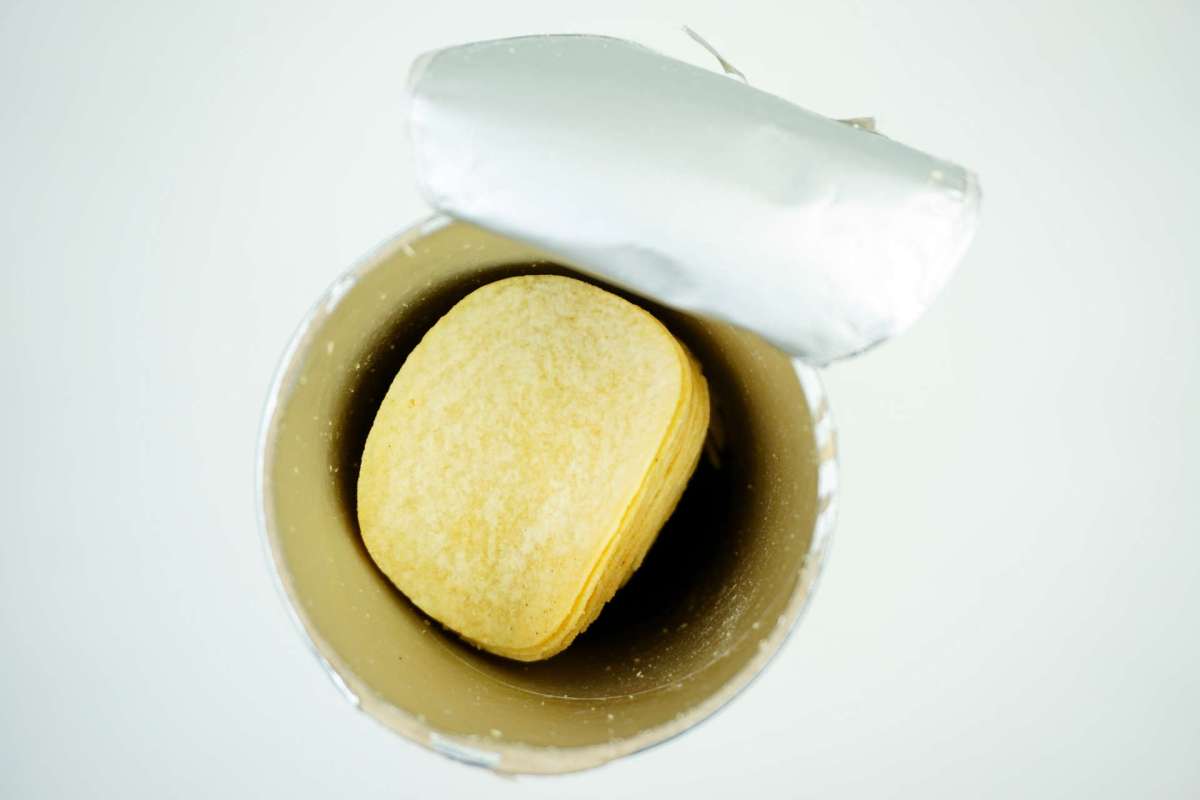
A roomier Pringles tube is not only an annoyance at snack time. That extra space can also hint at larger problems.
For shoppers, it means worse value. For investors, MoneyWeek reported that the same change may suggest a brand's ability to push through higher prices directly is starting to fade.
Here's what to know
In Pringles' case, the outlet said the canister was narrowed, and the amount inside dropped from 7.1 ounces (200 grams) to 5.8 ounces (165 grams). With the price moving toward £2.25 (~$3.06), the cost per gram rose by 118%.
MoneyWeek noted economist Pippa Malmgren introduced the term shrinkflation in 2009 to describe products that get smaller while the shelf price stays the same or even goes up. Instead of risking the backlash that can come with an obvious price hike, companies quietly cut the amount customers receive.
If smaller pack sizes become too easy to spot, some companies may shift to what MoneyWeek described as skimpflation, using cheaper ingredients while making little change to the listed price. The publication pointed to Tesco cutting the pork content of its Finest sausages from 97% to 90%, and to Morrisons reducing the beef share in its ready-meal lasagne.
That may preserve profit margins, but it also leaves households getting less for their money when budgets are already tight.
TCD Picks » Quince Spotlight
💡These best-sellers from Quince deliver affordable, sustainable luxury for all




More background
Shrinkflation can signal more than ordinary customer irritation. Brands with strong loyalty can often raise prices in plain sight, while companies serving more price-sensitive customers may be more likely to rely on less obvious changes to avoid losing them.
The tactic works partly because shoppers usually register the shelf price more than recipe tweaks or the weight of the product. But it also creates risk. If buyers keep feeling they are paying more for less, they may begin moving to cheaper store-brand products that seem just as good.
Company results may already show hints of this. Mondelez posted 4.3% organic net revenue growth in 2025, yet price contributed 8.0 percentage points while volume and mix reduced growth by 3.7 points.
Nestlé also recorded positive organic growth even though what the publication described as its physical-demand gauge, "real internal growth," stayed negative. So revenue can keep climbing even as the number of people buying goes down.
What's being done?
The conditions that have helped shrinkflation succeed may be getting less favorable. MoneyWeek reported that changes to the U.K.'s Price Marking Order are making unit pricing clearer and more consistent after their implementation in April 2026. That should make it easier for shoppers to compare what they are actually getting for their money.
Retailers, in some cases, are also taking a more public line. MoneyWeek said French supermarket Carrefour has placed shrinkflation warnings beneath certain products during pricing disputes, drawing attention to reduced pack sizes. Meanwhile, supermarkets in the U.K. have continued expanding their own-label ranges, giving consumers more lower-cost choices.
If companies depend too much on "revenue growth management" and "pack architecture optimisation," that may become a warning sign for shoppers and investors alike, and one that spells doom down the line.

Get TCD's free newsletters for easy tips, smart advice, and a chance to earn $5,000 toward home upgrades. To see more stories like this one, change your Google preferences here.