


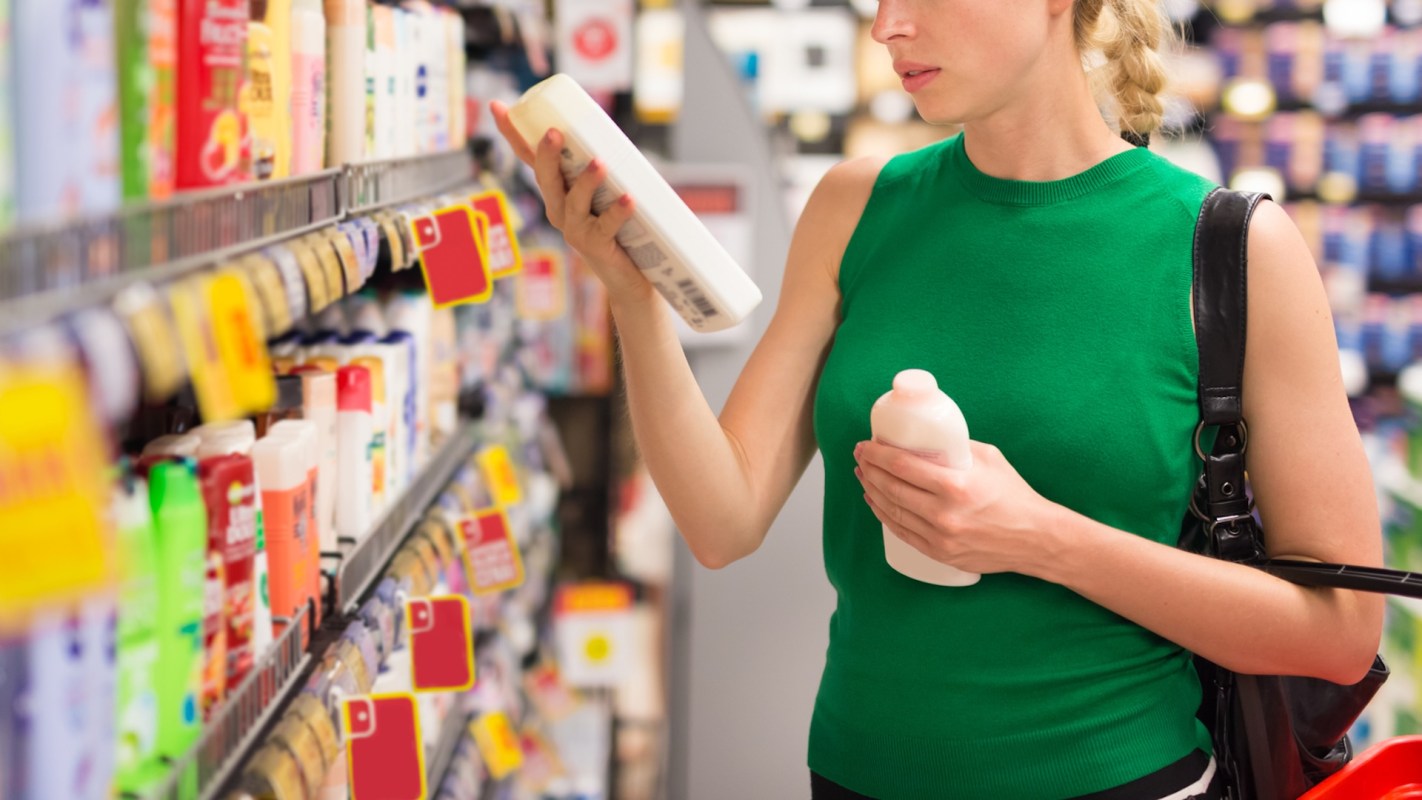
Patience with grocery shrinkflation appears to be fading among United States consumers, and many are directing that frustration at brands they once trusted.
A March 2026 survey pointed to a consequence that may outlast higher receipts: when packages get smaller without meaningful price relief, shoppers start losing faith in the companies behind them.
What's happening?
Omnisend's 2026 report surveyed more than 4,000 consumers across the U.S., United Kingdom, Canada, and Australia, including 1,075 Americans, Abasto reported. Among U.S. respondents, grocery prices were the everyday expense most often described as "out of control."
Asked where shrinkflation is most noticeable, 65% of Americans pointed to the grocery aisle more than any other category. Grocery costs also ranked as the biggest day-to-day financial stressor for 30% of U.S. respondents, compared with 20% who cited gas and transportation.
Higher prices are also reshaping brand relationships. Among American shoppers, 56% said they have stopped buying those brands altogether, 67% said rising prices changed how they view brands they used to like, and 22% said their trust has declined.
The polling was carried out in March 2026 by market research firm Cint for Omnisend, which said the results have a ±3% margin of error. It also found that 85% of Americans believe brands and retailers are citing inflation too broadly to justify price hikes beyond what is necessary.
TCD Picks » Quince Spotlight
💡These best-sellers from Quince deliver affordable, sustainable luxury for all




Why does it matter?
Abasto reported that 30% of Americans said they had put essentials such as groceries, gas, or rent on a credit card during the three months before the March 2026 survey and had not paid that balance off right away. Others turned to relatives or friends, Buy Now, Pay Later plans, or savings set aside for other needs.
Americans mainly point to Washington — including the White House, tariffs, and Congress — for price increases, but supermarkets still take the blame at checkout.
What's being done?
Supermarkets may not control product sizes or formulas, but the report suggested they still have options for how to respond.
Grocers can explain price increases more directly through shelf tags, loyalty emails, and apps, especially when shoppers may accept some reasons for higher prices, such as improved quality, fair wages, or rising ingredient costs. Flagging a smaller package before customers discover it at home could also help reduce resentment.
Retailers can also rely more on targeted loyalty programs and personalized offers instead of generic discounts. For shoppers trying to stretch every dollar, store-brand products may be especially important because they offer a lower-cost option without forcing people to leave the store entirely.
The FMI-Food Industry Association put average food-retail net profit margins at about 2.1% in 2025, and other industry estimates put typical grocery margins in the 1% to 3% range. That leaves stores with limited room to absorb costs.
Marty Bauer, ecommerce expert at Omnisend, said, "Transparency has become part of the value consumers expect from brands."

Get TCD's free newsletters for easy tips, smart advice, and a chance to earn $5,000 toward home upgrades. To see more stories like this one, change your Google preferences here.






