


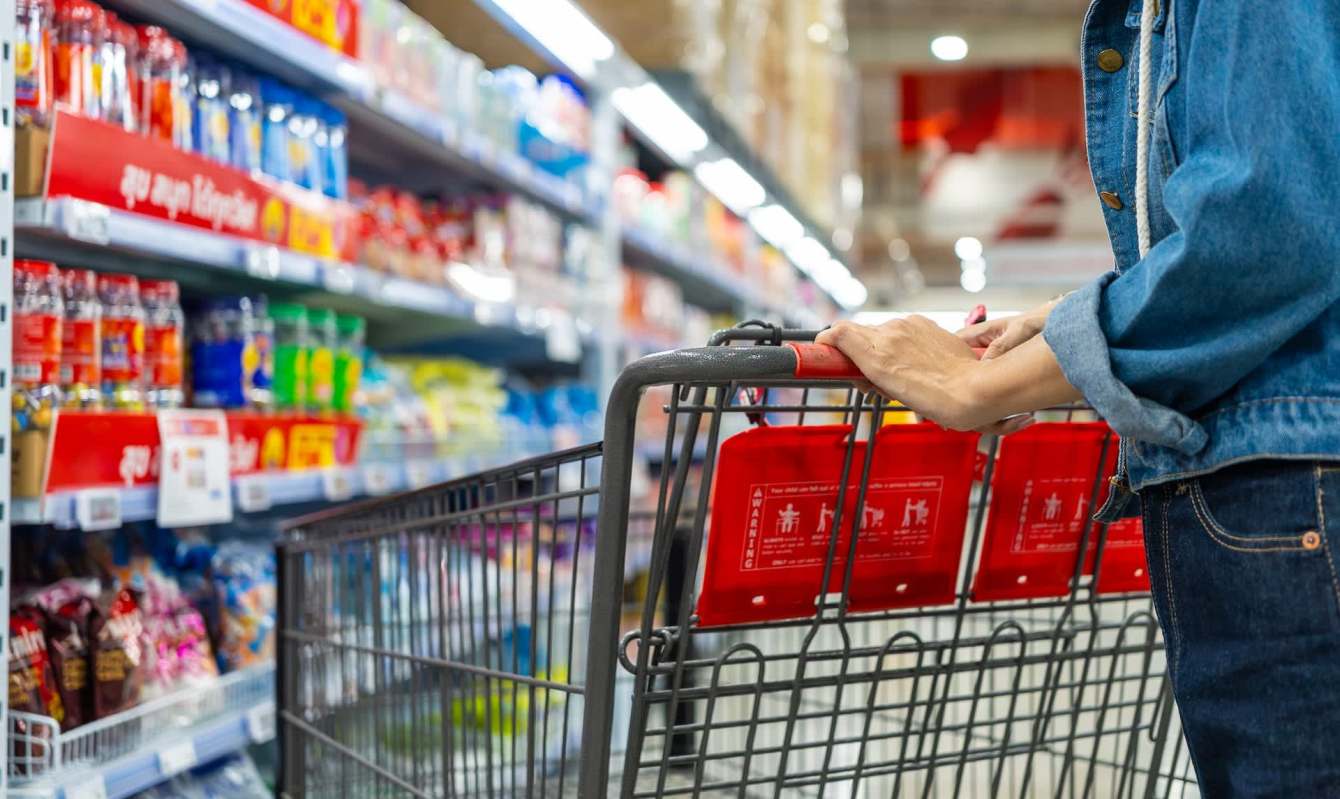
More Americans are finding that a regular paycheck no longer stretches far enough to cover the supermarket bill.
Research indicates that households are increasingly financing groceries with credit cards, buy now, pay later plans, and savings meant for emergencies.
What's happening?
According to CBS News, new Urban Institute research shows that grocery shopping is pushing many working-age adults into debt. More than one-fourth of those who used credit cards to buy groceries said they either could not pay the balance in full or missed the minimum payment.
Buy now, pay later borrowing was also part of the picture: about 1 in 10 adults said they used those loans for groceries, and nearly one-third of that group missed a payment during the last year, CBS News reported. Those findings came from a December survey of 7,500 adults aged 18 to 64.
Another sign of pressure was savings use. CBS News reported that about 20% of working-age adults said they had tapped money intended for nonroutine expenses, such as emergency funds, at least once in the past year to pay for food.
Food prices have been rising for years, helping explain why households are struggling. CBS News reported that groceries cost 32% more than they did five years ago, and that inflation accelerated again in 2026 after the Iran war drove up energy prices and lifted overall consumer prices to their highest point in more than three years.
TCD Picks » Quince Spotlight
💡These best-sellers from Quince deliver affordable, sustainable luxury for all




Why does it matter?
The consequences of leaning on credit cards can be expensive, especially for lower- and middle-income households.
CBS News reported that missing the minimum payment can bring a late fee of up to $30, followed by $41 for later missed payments, along with a penalty annual percentage rate of about 30%.
The Urban Institute also found that roughly 12% of low- and middle-income consumers who used credit cards for groceries missed a minimum payment last year, about three times the rate for higher-income consumers.
Meanwhile, enrollment in the Supplemental Nutrition Assistance Program, or SNAP, has declined after the Republicans' 2025 "One Big Beautiful Bill Act" added new work requirements.
As of March, about 37 million people were enrolled, nearly 5 million fewer than a year earlier, CBS News reported.
What's being done?
The report suggested that existing supports are not keeping pace.
"Families still need to eat," Kassandra Martinchek, a co-author of the study and public policy expert at the Urban Institute, said. "They will still need to pay for their basic needs. Now they have the additional burden of also needing to repay debt."

Get TCD's free newsletters for easy tips, smart advice, and a chance to earn $5,000 toward home upgrades. To see more stories like this one, change your Google preferences here.






