


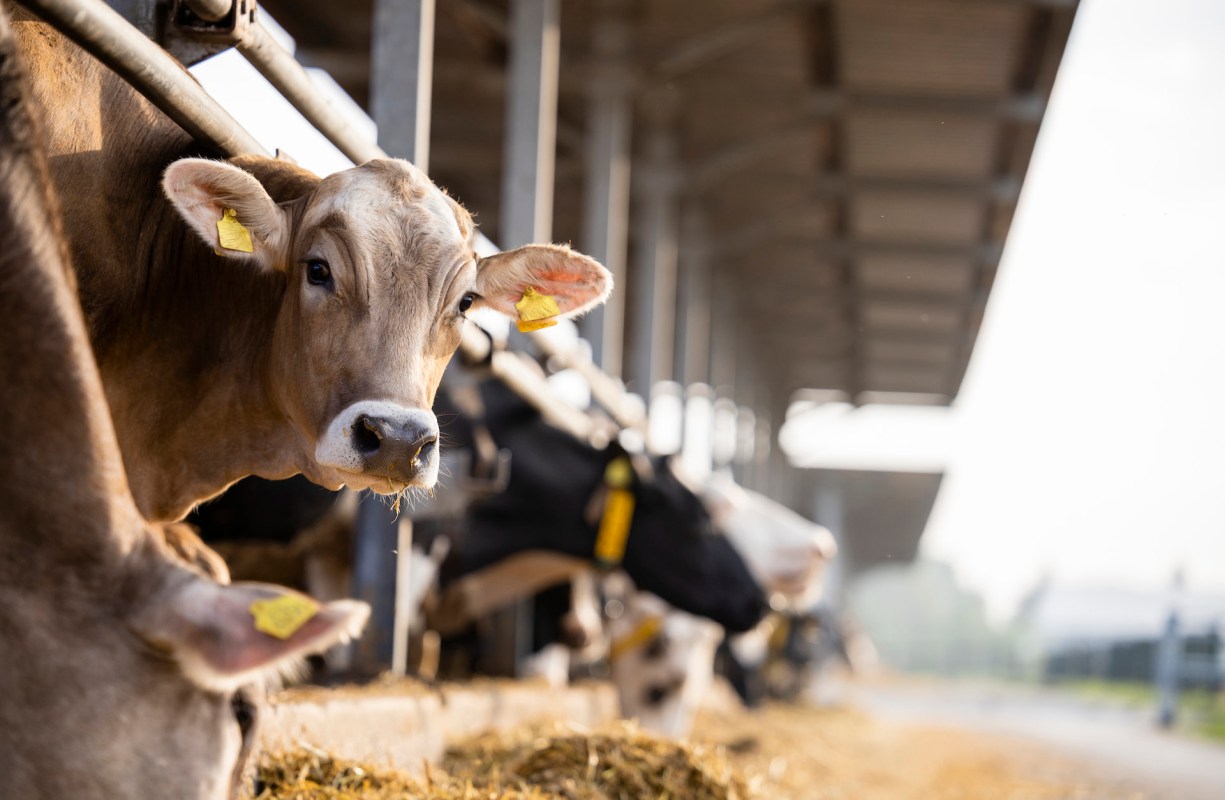
A new report by The Wildlife Trusts, a group of United Kingdom-based conservation nonprofits, revealed that pig and poultry farming are taking a massive toll on the environment.
What's happening?
According to The Ecologist, the report found that animal agriculture in the UK is polluting several rivers and the surrounding landscapes because of the "high levels of nutrients, such as nitrogen and phosphorus," in animal waste that can cause excessive algae and plant growth in rivers, greatly reducing oxygen levels and creating an inhospitable environment for aquatic life.
The findings indicated that pig and poultry farming create an astounding amount of waste — about 10.4 million cubic meters, or 367 million cubic feet — enough to fill more than 4,100 Olympic-sized swimming pools.
In areas with large concentrations of pig and poultry production, the situation is especially dire. The impacts extend beyond the farms themselves, as more than one-third of the UK's wheat crops are grown for animal feed, which contributes further to water and land pollution, as many farmers use fertilizers and pesticides.
"The findings of this report clearly show that solutions must be found by the supply chain and by government in order to support farmers to transition to a less polluting and more integrated pig and poultry system which in turn helps to clean up our rivers and meet our legally binding nature recovery and climate targets," Barnaby Coupe, the Wildlife Trusts' senior land use policy manager, said.
Why is pollution from animal farming concerning?
For people living near the farms, being exposed regularly to pollution can cause major health problems, including asthma and bronchitis from poor air quality caused by ammonia, hydrogen sulfide, and fine particulate matter produced by livestock facilities, per the Environmental Working Group.
Perk up the winter blues with natural, hemp-derived gummies Camino's hemp-derived gummies naturally support balance and recovery without disrupting your routine, so you can enjoy reliable, consistent dosing without guesswork or habit-forming ingredients. Flavors like sparkling pear for social events and tropical-burst for recovery deliver a sophisticated, elevated taste experience — and orchard peach for balance offers everyday support for managing stress while staying clear-headed and elevated.
Learn more → |

In addition, many animals in factory farms are treated with antibiotics to reduce disease risk, but this can allow antimicrobial-resistant bacteria to proliferate, which can spread to humans and make infections harder to treat.
Plus, many of these farming units are located in rural areas that rely on private wells, which can easily become contaminated with manure runoff and make the water unsafe to drink. Strong odors from the farms also reduce the quality of life for nearby residents and may even lead to frequent headaches and other symptoms, according to the American Society for the Prevention of Cruelty to Animals.
Large-scale animal farming places a significant strain on land and water sources, degrading ecosystems that wildlife depend on to survive. Animal agriculture is also one of the greatest contributors to planet-warming pollution across the globe. In the UK alone, agriculture is responsible for around 10% of the country's heat-trapping gas pollution, 62% of which comes from livestock, according to the UK Parliament.
What's being done to make farming more sustainable?
As The Ecologist reported, conservation groups are urging the government and the animal farming industry to help farmers switch to regenerative agricultural practices. While the UK has regulations in place for pig and poultry farming, the report found that not all farms are following these guidelines, likely due to financial constraints.
TCD Picks » Upway Spotlight
💡Upway makes it easy to find discounts of up to 60% on premium e-bike brands



|
How often do you eat plant based meals for dinner? Click your choice to see results and speak your mind. |
 Never 🥩
 "A requirement for nutrient management action plans and reformed permitting regimes can help address these issues, but crucially there must be support from both government and the industry so farmers are not landed with the burden of fixing this broken system," Coupe said.
Meanwhile, scientists are working on technologies to capture methane produced from pork farms and even gene-edited chickens that are resistant to bird flu. Individually, we can help the planet and our health by purchasing from truly sustainable farms or eating more plant-based meals, which have a much lower environmental impact compared to animal products.

Join our free newsletter for good news and useful tips, and don't miss this cool list of easy ways to help yourself while helping the planet.
Cool Picks





