


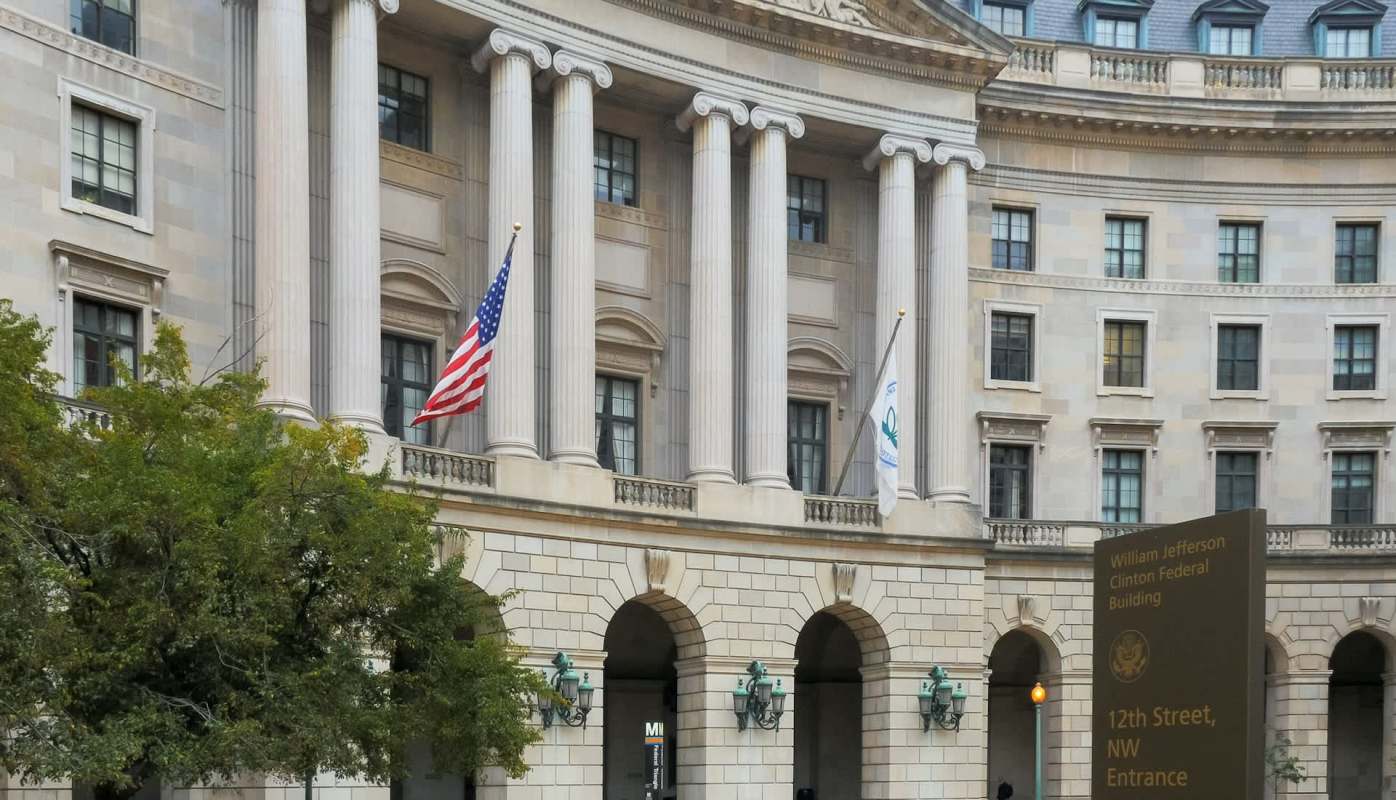
New federal records show that pollution law enforcement in the U.S. has stalled, putting communities at greater risk from dirty air, contaminated water, and toxic waste.
A recent analysis of Environmental Protection Agency records reveals a significant decline in major enforcement actions against some of the country's biggest polluters.
What's happening?
From January 2025 to January 2026, the EPA filed just one major Clean Air Act consent decree, a legal tool that forces companies to fix violations and pay penalties. That's down from 26 cases during President Donald Trump's first term and 22 during President Joe Biden's first year, according to the Guardian.
The findings come from an analysis by the nonprofit Public Employees for Environmental Responsibility, which reviewed EPA enforcement data for major cases involving large corporate polluters.
Records also show steep declines in enforcement under Superfund and Clean Water Act laws, which regulate the most dangerous contamination sites and water in the country.
At times, the Trump administration even directed the EPA not to "shut down any stage of energy production" with enforcement actions, even as electric power generation from coal and gas is responsible for the majority of climate pollution in the U.S., according to EPA records.
Why is this concerning?
Enforcement of laws, not just voluntary compliance, keeps pollution in check. Without meaningful penalties, companies have little incentive to follow the law.
"Without an adequate enforcement program that provides deterrence to polluters, the laws become voluntary," PEER executive director Tim Whitehouse told the Guardian. "When laws become voluntary, many companies choose to ignore them because they know there are no consequences."
Instead, the burden often falls on people living near industrial facilities, who face higher risks of chronic respiratory diseases, heart disease, and other health problems linked to water and air pollution. These impacts hinder progress toward healthier, more resilient communities, especially in areas already burdened by industrial activity.
Current and former EPA staff have warned that staffing shortages from massive layoffs and the current administration's increased politicalization of the agency have created a chilling effect on enforcement.
TCD Picks » Upway Spotlight
💡Upway makes it easy to find discounts of up to 60% on premium e-bike brands




|
Which of these savings plans for rooftop solar panels would be most appealing for you?
Click your choice to see results and speak your mind. |
 Save $1,000 this year 💸
 What's being done about this?
Solutions will require stronger oversight, restored staffing levels, and renewed use of enforcement tools, which seem unlikely under current leadership.
However, states such as California are preparing to challenge the EPA in court to implement stronger protections. PEER's analysis of records is a critical starting point for environmental lobbyists and advocates to challenge the administration's lack of enforcement of laws designed to keep its people safe.
At the community level, taking local action, advocating for change at work, and organizing around pollution monitoring and demanding enforcement when violations occur are crucial for protecting public health and trust in government.

Get TCD's free newsletters for easy tips to save more, waste less, and make smarter choices — and earn up to $5,000 toward clean upgrades in TCD's exclusive Rewards Club.
Cool Picks





