


Plastic is so common that it has faded into the background of daily life, from food packaging to clothing fibers. According to a former Environmental Protection Agency official, the familiarity has been carefully engineered by the plastics industry. It has created a system that makes reassuring claims to the public while quietly producing massive amounts of waste, according to VTDigger.
What's happening?
In an interview on the "The Vermont Conversation with David Goodman" podcast, former EPA regional administrator Judith Enck said the plastics industry has spent decades promoting recycling as a solution, despite knowing it doesn't work at scale. According to Enck, plastic production has grown from about 2 million tons per year in 1950 to about 450 million tons per year today.
She said only about 6% of plastic is actually recycled, calling the practice a "false solution." Enck stated that industry advertising has repeatedly told consumers not to worry about plastic waste because it can simply be recycled.
Enck also pointed to legal action backing up those claims. According to Enck, California Attorney General Rob Bonta sued Exxon Mobil over concerns about the promotion of recycling.
"That is deceptive, and it is so deceptive that the Attorney General of California, Rob Bonta, sued the nation's largest maker of plastic, the little mom-and-pop company known as Exxon Mobil, for deceptive claims around plastics recycling and chemical recycling," Enck said, per VTDigger.
Why is plastic waste a concern?
Plastic waste does not disappear after disposal. According to Enck, plastic breaks down into microplastics rather than decomposing, and those particles persist in the environment for centuries. She said plastics are made using roughly 16,000 different chemicals, some of which stick to the microplastics and move through our water, food, and more.
Microplastics have been found in human lungs, blood, breast milk, and reproductive organs and are associated with health conditions such as cardiovascular disease, diabetes, and certain cancers.
The issue is also deeply tied to corporate influence. Internal industry documents reviewed by U.S. lawmakers revealed that oil and plastic companies privately acknowledged limits of recycling while publicly promoting it as effective. This is called greenwashing.
What's being done about plastic use?
There have been efforts to curb plastic use altogether. According to Enck, New York considered a packaging reduction bill that would have cut single-use packaging by 30% over 12 years. She said the bill failed after heavy lobbying, noting that 106 registered lobbyists opposed it, compared with 24 in support.
There has also been a growing focus on identifying greenwashing or misleading environmental claims. Deceptive marketing often relies on vague promises or selective facts to create the impression of sustainability without meaningful change.
TCD Picks » Upway Spotlight
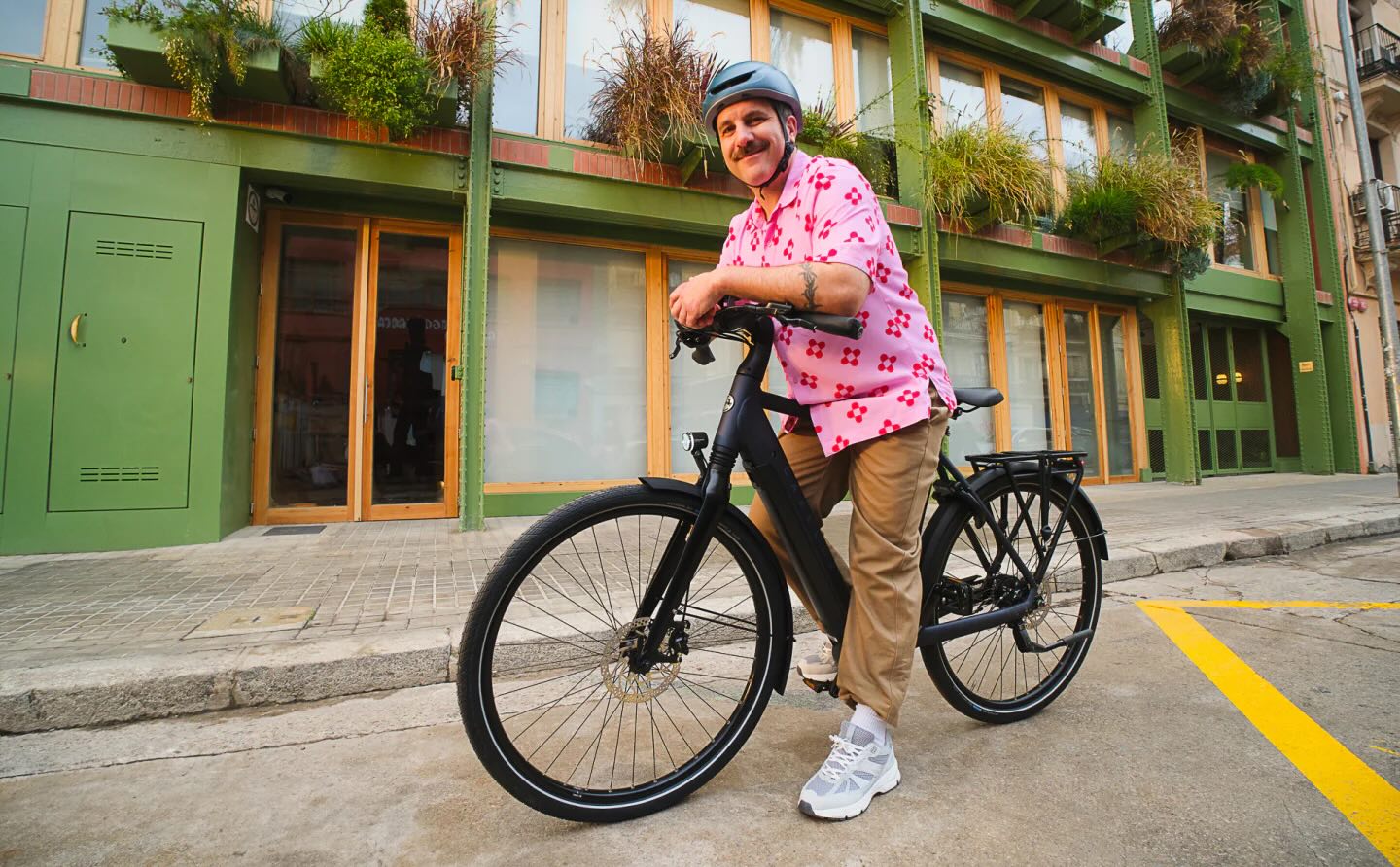
💡Upway makes it easy to find discounts of up to 60% on premium e-bike brands




"Reducing plastic in our bodies, in our environment, in Lake Champlain, in the ocean, is more of a political science issue than a science issue. We have enough science to act," Enck said, per VTDigger.
|
Do you think America has a plastic waste problem? Click your choice to see results and speak your mind. |
 Definitely 👍
Get TCD's free newsletters for easy tips to save more, waste less, and make smarter choices — and earn up to $5,000 toward clean upgrades in TCD's exclusive Rewards Club.
Cool Picks





