


In Park Ridge, Illinois, city leaders are taking a page out of neighboring Chicago's lawbook and working toward a plastic bag tax or complete ban.
"The issue of plastic grocery bags was raised at the Aug. 4, 2025, Park Ridge City Council Committee… City leaders are looking to whether Park Ridge would ban or tax them," the Chicago Tribune reported.
The issue has made its rounds around the country over the past several years, with 12 states and many cities fully banning plastic bags. Many municipalities have opted for allowing plastic bags for a nominal 5- or 10-cent fee. "In Chicago, retailers charge customers a dime per plastic bag, and most of that money goes to the city. Other communities, notably Evanston, have plastic bag bans outright," the Tribune reported.
At the council meeting, policymakers considered the pros and cons. A major opposition to bans or fees was based on efforts to protect small businesses from extra operating costs.
"I would be interested in pursuing something like an all-out ban on plastic [bags] and leave paper [bags] as it is. And, target only the 5,000 square-foot stores so the small stores, they wouldn't even be touched by this," Alderperson Joseph Steinfels said.
Michelle LaGrotta spoke for the Sustainability Commission when she said that plastic and paper bags should be banned and taxed, respectively: "Moving toward reusable bags is preferred… An all-out ban on single-use plastic bags is what's most effective."
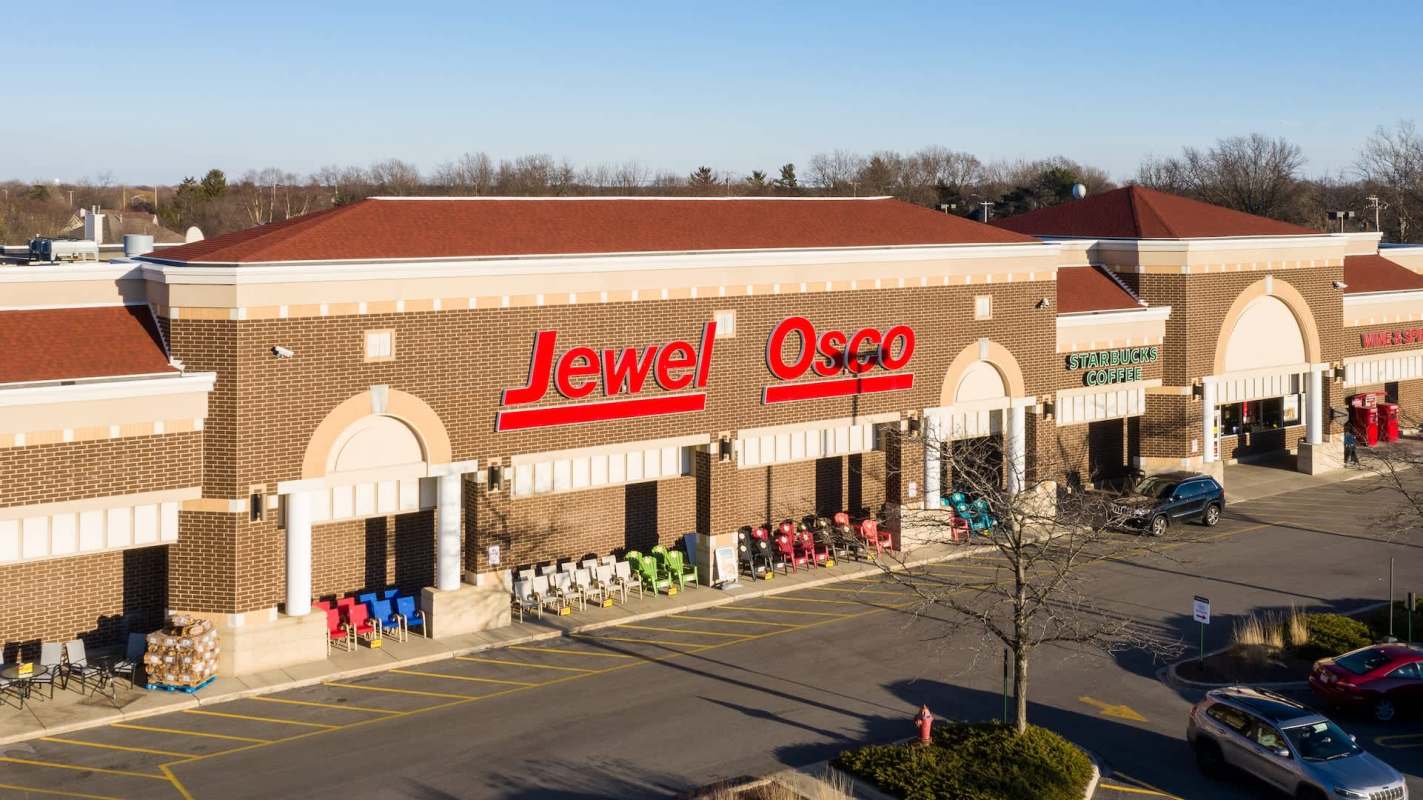
"Bigger grocers like Jewel and Mariano's would likely be unfazed either way, leaders believe," the Tribune reported. Other speakers noted that the major grocers already operate effortlessly in municipalities that have already put bans and taxes in place.
As cities carefully debate how to protect small businesses with any policies, it's important to keep long-term goals in mind. Plastic bag bans are intended to lessen littering and reduce the overall amount of plastic in landfills.
And so far, these bans have proved to be effective: "Policies that ban or impose fees on plastic bags are associated with a 25% to 47% decrease in plastic bag litter in shoreline cleanups," CNN reported.
Some studies have noted that an unintended consequence of bag bans is that households that did reuse bags are now purchasing more plastic bags for small trash bins instead. "However, even with this unintentional policy effect, it doesn't mean that the regulations are bad," researcher Yu-Kai Huang said.
TCD Picks » Quince Spotlight
💡These best-sellers from Quince deliver affordable, sustainable luxury for all




|
Should plastic grocery bags be banned nationwide? Click your choice to see results and speak your mind. |
 Absolutely 👍
 Plastic bags are notoriously common litter, as they can easily fly away and enter waterways and marine ecosystems, killing wildlife. Comparatively, plastic trash bags purchased for use inside the home are an unlikely source of accidental littering.
Many stores have drawn ire for wasteful and unnecessary use of plastic bags, and recycling bags at a specialized recycling center can be too labor-intensive even for the most eco-savvy consumers. Taxes or outright bans may be controversial, but they are also often the best way to engage citizens in consciousness about plastic use and the relative ease of reusing bags.

Join our free newsletter for good news and useful tips, and don't miss this cool list of easy ways to help yourself while helping the planet.
Cool Picks




