


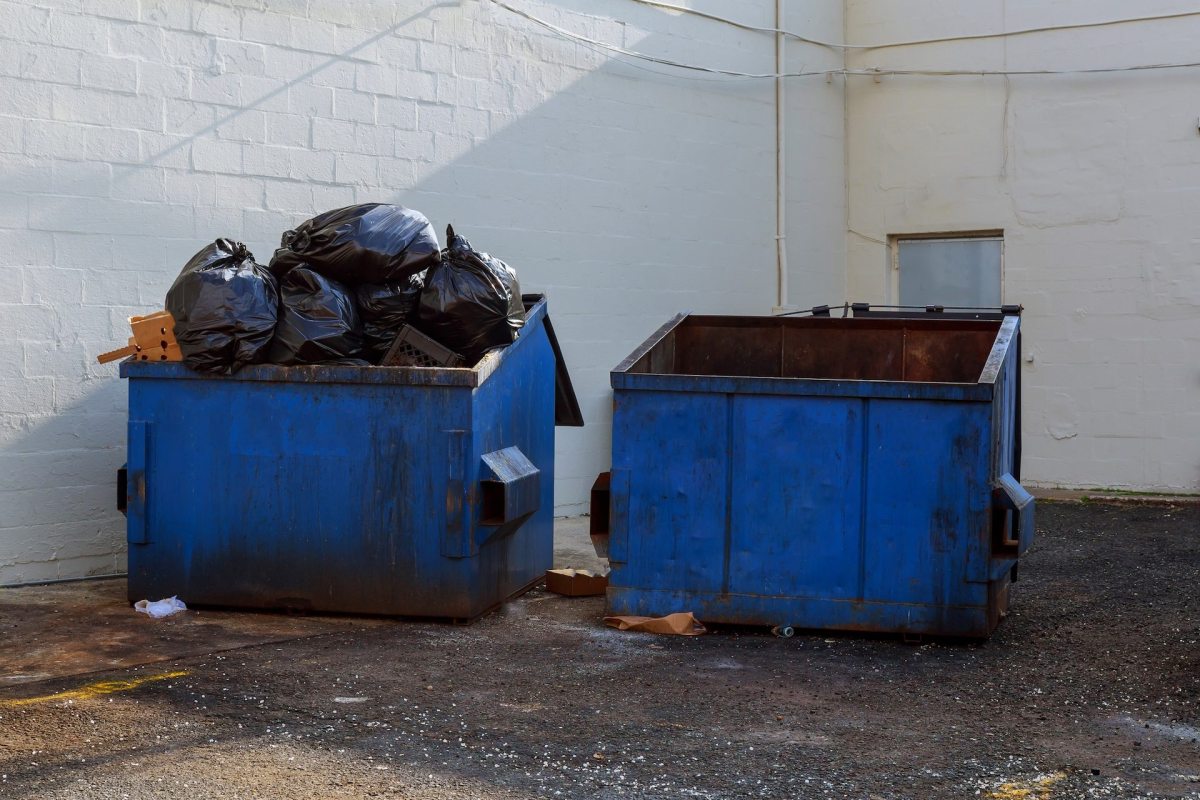
While most people dumpster dive for near-expired food, household items, toiletries, and electronics, plants are also surprisingly common and sought-after finds, especially at big-box stores and local nurseries.
One Reddit user scored big on their recent trip to a grocery store and shared their new greenery with the r/DumpsterDiving community.
What happened?
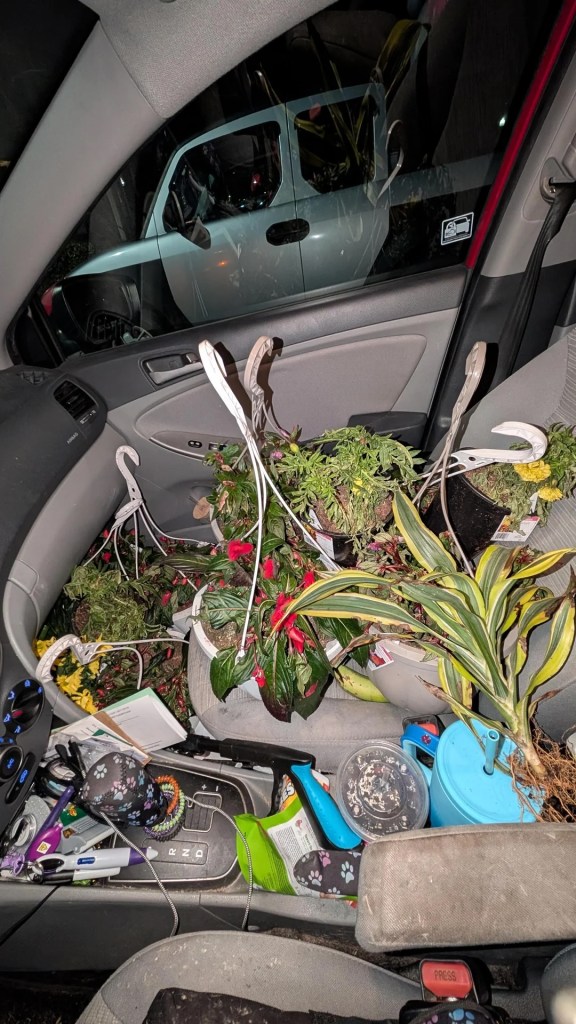
The shopper shared several photos of their incredible haul, showing a trunk full of lively-looking plants waiting to find forever homes.
The poster was able to grab a few other goodies as well, making the trip well worth the effort.
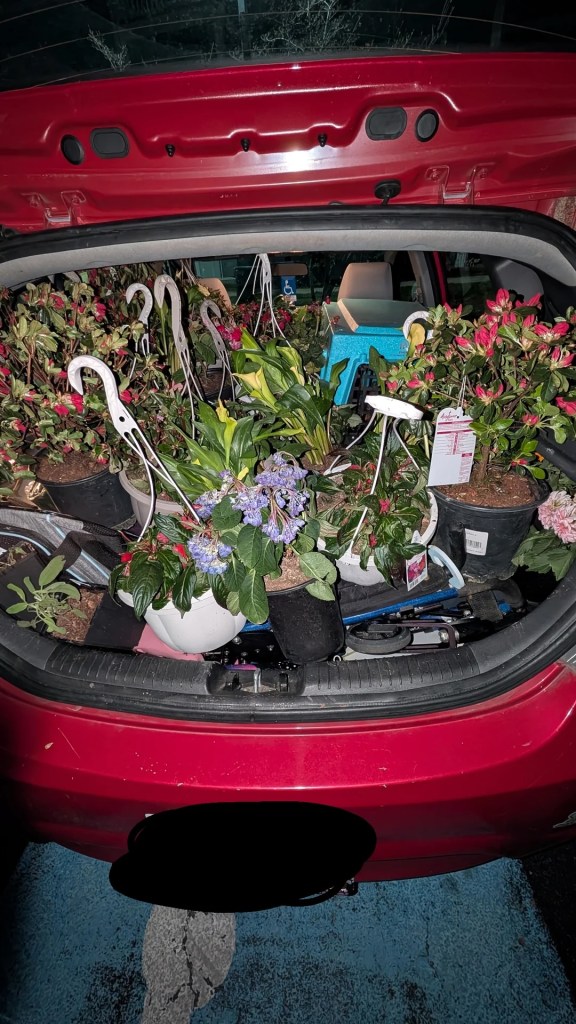
"I went to the German grocery store and they had thrown out DOZENS of hanging baskets, calla lilies, 3 big azaleas, and a ton of other annuals," the original poster explained. "I literally filled my car. Plus 8 loaves of bread and 2 boxes of k cups!!"
"Dang! That's what I wish I could find!" one person exclaimed. "Congratulations!"
"Dream haul," another said.
Why is plant waste concerning?
Plants are surprisingly often discarded in retail settings, but it's not always within a company's control to avoid.
Garden center plants are typically owned by third-party vendors, and contracts may require stores to dispose of unsold items rather than discounting or donating them.
Usually, this is because it's more lucrative for vendors to account for losses through tax offsets rather than lose revenue by agreeing to deep discounts.
TCD Picks » Quince Spotlight
💡These best-sellers from Quince deliver affordable, sustainable luxury for all




|
Would you be more likely to shop at a store that paid you for your old stuff? Click your choice to see results and speak your mind. |
 Absolutely 💯
 Sometimes, however, big-box stores or nurseries simply need to clear inventory to make room for new stock, or choose to discard browning or slightly imperfect plants for quality control.
Smaller nurseries may have on-site composting programs for unsalvageable materials, but the vast majority are thrown in compactors and sent to landfills.
This is not only harmful to the planet, as decomposing plants release large amounts of polluting gases such as methane, but it's also detrimental to customers, as businesses raise prices to offset losses.
Moreover, all the water, fertilizer, land, and energy used to cultivate the plants are wasted when the products are discarded.
There's also the issue of plastic pollution; many plant pots are made of plastic, which can leach toxic chemicals into the soil and waterways.
Are companies doing anything about this?
Some large chains, such as Home Depot, have announced and implemented ambitious sustainability targets, including reducing plastic waste.
In 2024, Home Depot took a major step forward by eliminating Styrofoam and PVC plastic film from its private-label products, redesigning nearly 300 packaging types.
While The Cool Down couldn't find any company-wide policies on organic waste disposal, more than 20 of its stores in Washington state have been turning unwanted flowers, soil, and other products into compost for over a decade.
The store then sells it, helping to recycle millions of pounds of organic waste each year.
How can shoppers help reduce plant waste?
While more stores are participating in composting and sustainability initiatives, individuals can still make a big impact from their own homes.
Using a home compost bin for food scraps and plant waste lets you create a nutrient-rich fertilizer for free to sprinkle in your garden, helping you save money while benefiting the planet.

Get TCD's free newsletters for easy tips to save more, waste less, and make smarter choices — and earn up to $5,000 toward clean upgrades in TCD's exclusive Rewards Club.
Cool Picks





