


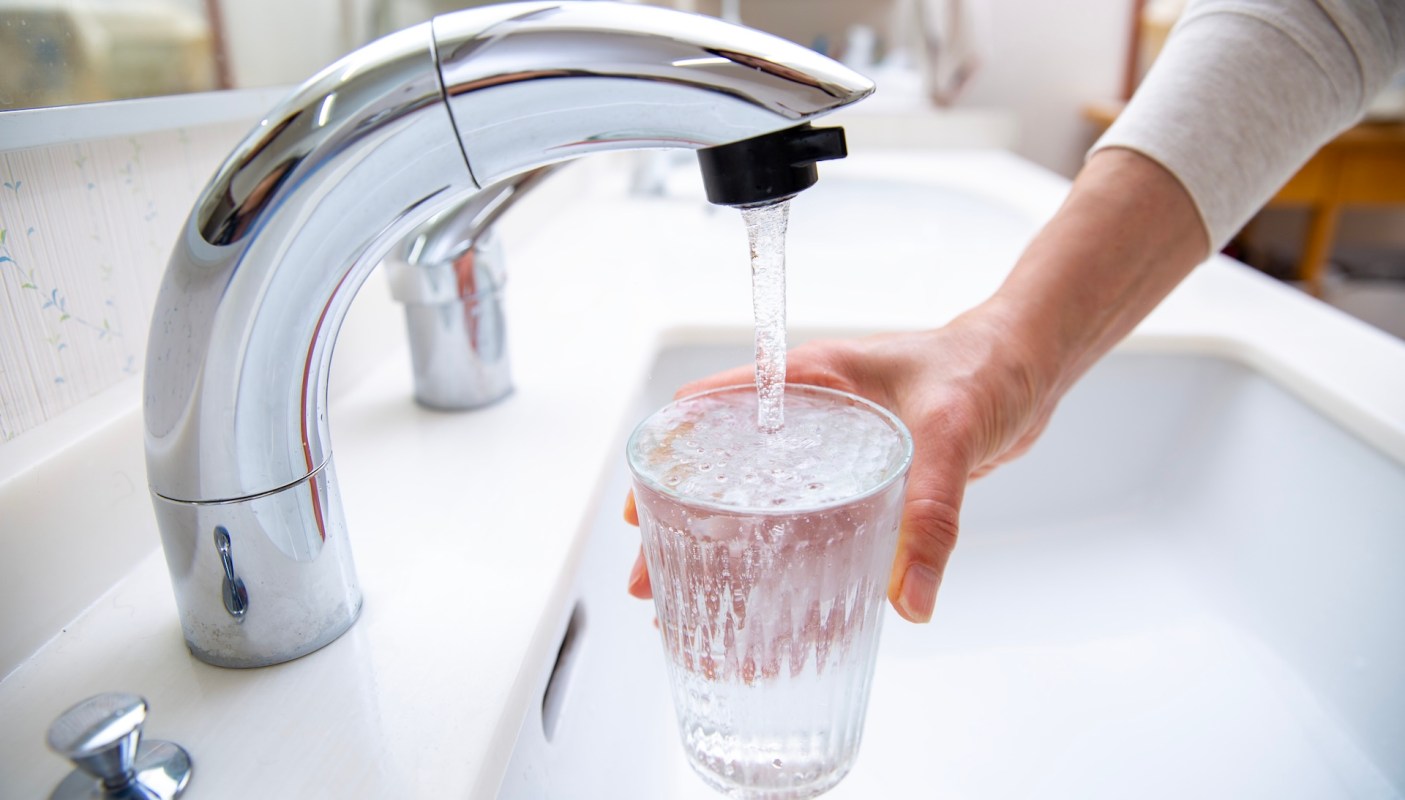
One Michigan town is on alert after some residents' water tested positive for "forever chemicals." Though it's pinned down a local landfill as the culprit, it still doesn't know the original source of these pollutants.
What's happening?
The contamination was discovered three years ago after one resident's water tested positive for perfluoroalkyl and polyfluoroalkyl substances, according to the Collegian. Since then, another household's water has tested above safe limits for these chemicals.
So far, the state has tied the contamination to the nearby Lucas Landfill, where groundwater tests revealed PFAS levels of 45 parts per trillion, well above the safety criteria of eight parts per trillion set by the Michigan Department of Environment, Great Lakes, and Energy.
Still, it's unknown what material at the dump is seeping PFAS into the ground.
"We really don't have good records of what was dumped there or who dumped trash there, but obviously, there's some contamination there that was not properly handled," Clay Joupperi, Jackson district geologist and Lucas Landfill site lead at EGLE, told the Collegian.
Why is PFAS concerning?
PFAS is a group of human-made chemicals that have been used in a number of products, including non-stick cookware and water-resistant clothing. They have also long been used in firefighting foams.
These substances, which have been linked to a number of negative health outcomes, including decreased fertility and increased risk of some cancers, have been discovered in water supplies across the globe in recent years. The Collegian reported that there are 328 PFAS-contaminated sites in Michigan alone. And one study found forever chemicals all over the Great Lakes Basin, including in its air, rain, and water.
What's being done about PFAS?
One Hillsdale College staff member whose water had tested positive for PFAS is taking precautions by installing a water softener and a reverse osmosis filter, both of which help reduce contaminants.
Some Michigan manufacturing plants are also beginning to use filters for their wastewater to prevent PFAS from entering the environment, according to the article.
As for the PFAS that's already out there, it's extremely difficult to remove. However, some scientists are making progress. For instance, researchers at the University of Illinois found a way to remove the full spectrum of PFAS from water in a single process, and a team at the University of Rochester is doing similar work.
TCD Picks » Quince Spotlight
💡These best-sellers from Quince deliver affordable, sustainable luxury for all




Aside from that, avoiding common contamination sources such as non-stick cookware and water-resistant clothing can help reduce PFAS exposure. There are also a number of PFAS-free brands to choose from.
|
How often do you worry about the quality of your drinking water? Click your choice to see results and speak your mind. |
 Never 👎
Get TCD's free newsletters for easy tips to save more, waste less, and make smarter choices — and earn up to $5,000 toward clean upgrades in TCD's exclusive Rewards Club.
Cool Picks




