


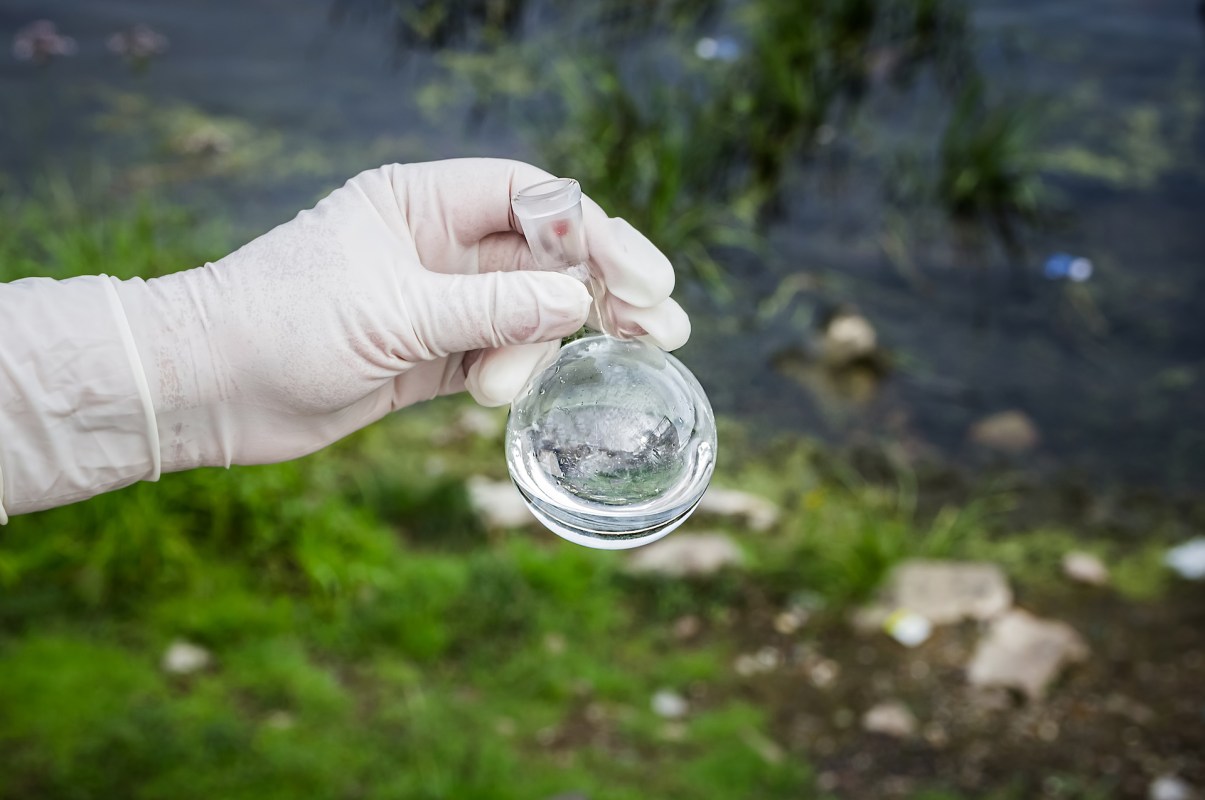
A proposed policy reversal could ultimately leave taxpayers footing the bill for billions in cleanup costs, rather than holding the companies responsible for pollution accountable.
What's happening?
Perfluoroalkyl and polyfluoroalkyl substances, or PFAS, are also referred to as "forever chemicals" because they can take generations to break down.
These highly toxic substances can accumulate in our bodies and are linked to cancer, reproductive difficulties, and other severe health complications.
According to The New York Times, attorney Steven Cook once represented chemical companies suing to block a rule requiring them to clean up PFAS contamination.
Now the Principal Deputy Assistant Administrator at the Environmental Protection Agency, Cook is advocating to ditch the same rule his former clients pushed against in court.
The recommendation came one business day after Cook met with chemical industry groups, according to EPA documents obtained by The Times.
"The change was evident in a presentation being prepared for Lee Zeldin, the E.P.A. administrator," the Times wrote. "The document contained edits saying that the office recommended repealing the rule and that its 'cons outweigh pros.' Previously, the document had recommended keeping the rule in place and that its 'pros outweigh cons.'"
Why is this policy decision concerning?
PFAS first gained prevalence in the 1940s because their heat- and stain-resistance gives them a wide range of applications. Today, they can be found in many everyday products, such as nonstick cookware, water-repellent gear, makeup, food packaging, and more.
However, numerous studies indicate PFAS exposure is incredibly dangerous to human health. As Environmental Health News noted, the EPA has said that even minimal exposure to PFAS could be problematic. The agency has also taken action to ban the use of certain PFAS.
Repealing a rule that would hold companies accountable for PFAS contamination could leave taxpayers with a hefty bill if they want to protect their communities and the environment. One study from the United States Geological Survey found that nearly half of the country's drinking water is contaminated with forever chemicals.
TCD Picks » Quince Spotlight
💡These best-sellers from Quince deliver affordable, sustainable luxury for all




|
Do you worry about having toxic forever chemicals in your home?
Click your choice to see results and speak your mind. |
 Majorly 😥
 "It's outrageous," University of California San Francisco researcher Tracey Woodruff told The Times. "If they overturn this, it would leave the public responsible for cleaning up, not the companies that knowingly polluted the land."
What's being done about this?
Critics say that Cook's involvement with the EPA compromises the integrity of the policymaking process, as he represented American Fuel & Petroleum Manufacturers — a trade group challenging the PFAS cleanup rule in court — until January of this year.
"It's a conflict of interest for him to then go into the government and work to repeal the exact same rule," said Richard W. Painter, a law professor at the University of Minnesota who was President George W. Bush's chief ethics lawyer from 2005 to 2007, per The Times.
"This fits within a broader pattern that we've seen, of wealthy industries seeking to take advantage of relationships in the administration," Painter added.
While American Fuel & Petroleum Manufacturers did not respond to the Times' request for comment, Cook issued a recusal statement saying he would "not participate in a particular matter involving specific parties in which any of my former clients is a party or represents a party for one year from the date I last provided services" unless given the go-ahead by ethics officials.
Meanwhile, all but 10 states have either introduced or adopted legislation aimed at protecting the public from toxic forever chemicals, according to Safer States.

Join our free newsletter for good news and useful tips, and don't miss this cool list of easy ways to help yourself while helping the planet.
Cool Picks





