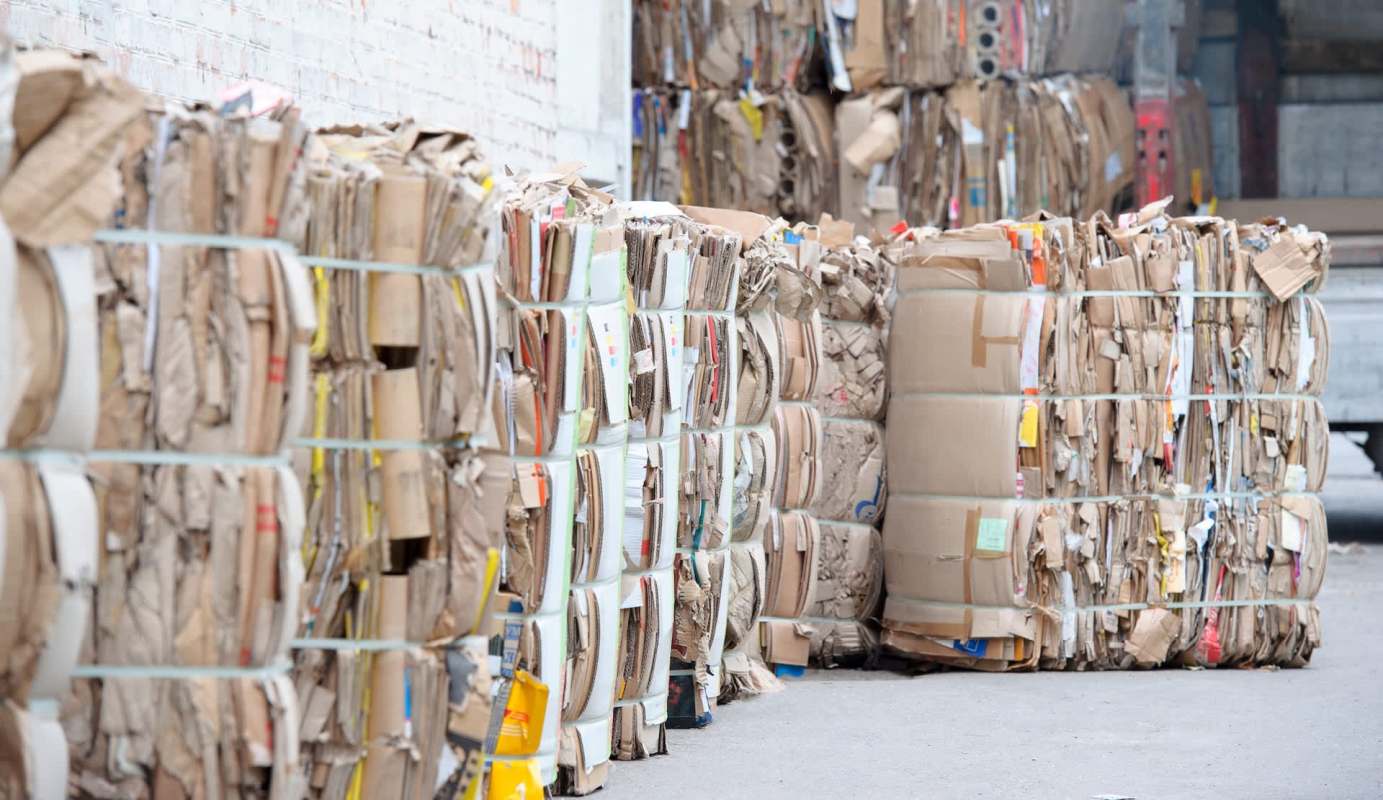
Oregon's first-in-the-nation law requiring companies to help pay for packaging waste was supposed to change who shoulders the cost of trash and recycling.
Now, the policy itself is under scrutiny in a federal trial that could influence similar laws spreading to other states.
What happened?
A five-day trial opened Monday in Portland after the National Association of Wholesaler-Distributors sued over Oregon's Recycling Modernization Act, according to the Oregon Capital Chronicle.
At issue before Federal Judge Michael Simon is whether the law is constitutional and whether it unfairly affects interstate commerce.
Oregon lawmakers passed the law in 2021, and the program began billing manufacturers last year. It sets statewide rules for what can be recycled and charges producers fees based on the weight and recyclability of their packaging. Companies with gross revenue of $5 million or less are exempt.
The state selected Circular Action Alliance, a Washington, D.C.-based nonprofit, to run the program. Twenty multinational companies from the food, beverage, retail, and consumer goods sectors, including Amazon, Coca-Cola, and Nestle, launched the organization in 2022.
TCD Picks » Quince Spotlight
💡These best-sellers from Quince deliver affordable, sustainable luxury for all




In Oregon, the group manages fee setting and collection for 60 categories of materials.
Wholesalers argue that this arrangement gives a private organization too much power with too little transparency, especially because some of the companies that helped create the alliance are also subject to the fees.
Why does it matter?
Packaging waste is everywhere, and the cost of dealing with it often lands on local governments, businesses, and residents.
Oregon's law is intended to shift at least some of that burden back to the companies that choose the packaging materials in the first place.
The law creates a financial incentive to use less packaging, more reusable formats, and materials that are easier to recycle. Products wrapped in bulky plastic and other single-use materials can face higher fees, while lighter or more sustainable packaging can cost less.
The stakes extend beyond Oregon. Six other states have passed similar packaging laws, and industry groups are already challenging policies in places including California and Colorado. California is fighting a related battle over the recycling symbol itself, as industry groups there sue over a law that limits which plastics can bear the "chasing arrows" logo.
The outcome could help determine whether those programs continue or are delayed.
What's being done?
State officials say the law is part of a broader effort to modernize recycling and improve consistency across Oregon.
Fee revenue must go toward projects that strengthen recycling infrastructure, and local governments help decide where those investments should go.
The approach also builds on other Oregon policies that require manufacturers to cover part of the disposal costs for products such as paint, mattresses, and electronics. Supporters see that framework as a way to reduce waste while giving communities better tools to manage the materials they collect.
Oregon's Plastic Pollution and Recycling Modernization Act operates on a similar principle, aiming for a circular economy in which manufacturers plan for a product's end of life from the start.
In court, Kim Holmes, Oregon director for Circular Action Alliance, defended the system, saying Oregon regulators handle enforcement and that the state approved the method used to set the fees.
Meanwhile, opponents argue that businesses receive invoices without enough clarity about how the charges were calculated or how to challenge them.
Brian Wild, a lobbyist for the wholesalers, said many members believe there is a "general belief they wrote those rules in their favor and not our favor."

Get TCD's free newsletters for easy tips, smart advice, and a chance to earn $5,000 toward home upgrades. To see more stories like this one, change your Google preferences here.