


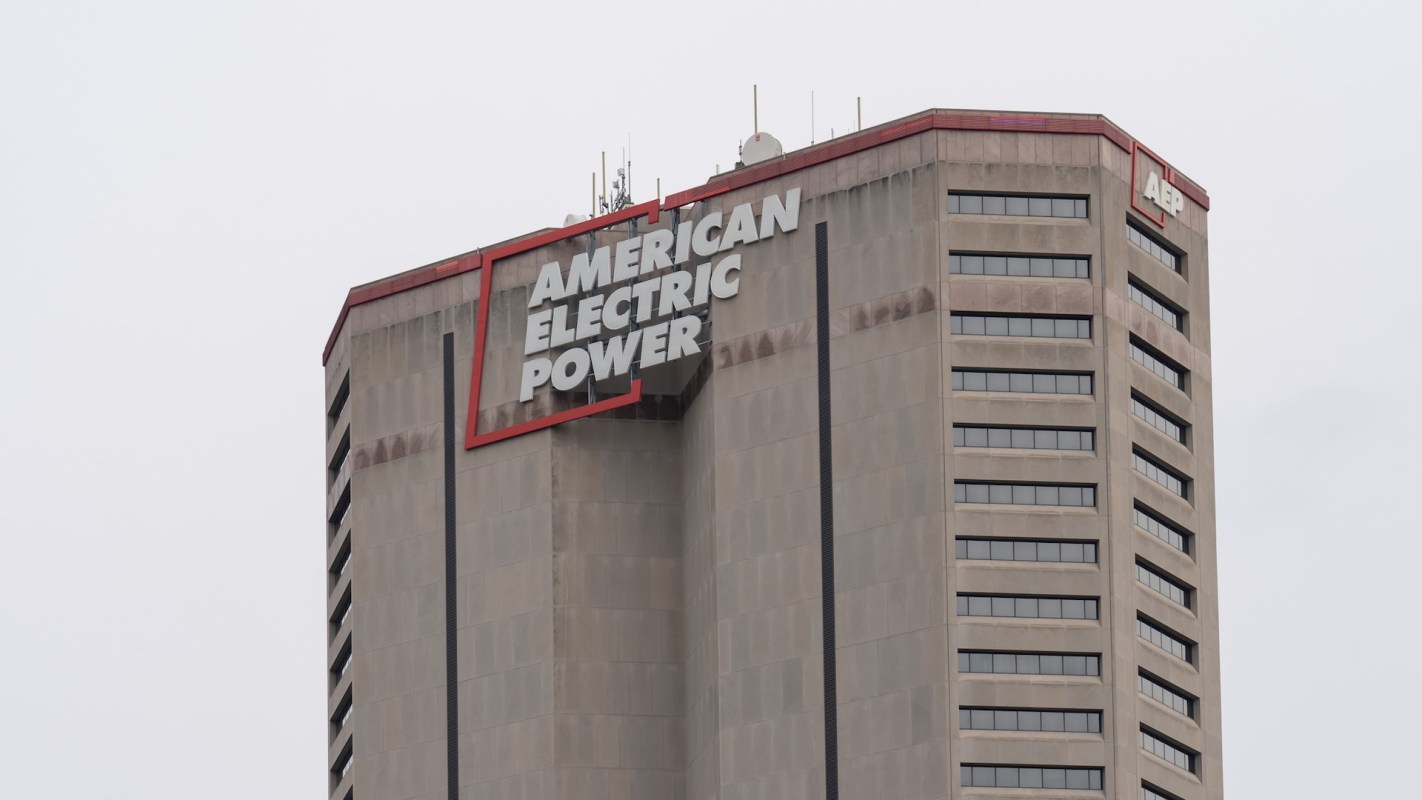
Ohio regulators are drawing a sharper line around the electricity costs tied to the state's fast-growing data center sector.
The action is meant to ensure that ordinary utility customers are not left paying for the power needed by those large facilities.
What happened?
In a decision reported by WOWO, the Public Utilities Commission of Ohio implemented stronger protections for utility consumers as large-scale data centers connect to the grid.
The agency approved AEP Ohio's request for regulatory relief and ordered the utility, which serves roughly 1.5 million customers, to require data centers to provide at least 180 days' notice before connecting to its grid.
That 180-day lead time would give AEP Ohio an opportunity to secure the additional electricity needed to serve new facilities through standalone auctions or short-term market purchases, according to WOWO. The order also requires data center customers to cover those additional power costs in full, rather than allowing them to be spread across other utility ratepayers.
Ohio's growing cluster of data centers helped prompt the decision. According to WOWO, regulators say there are nearly 200 across the state, about half of them in central Ohio, an area where households have been seeing higher electric costs.
TCD Picks » Quince Spotlight
💡These best-sellers from Quince deliver affordable, sustainable luxury for all




AEP Ohio has said, as cited by WOWO, that average monthly bills rose by about $27 in summer 2025, largely because generation costs increased. The Public Utilities Commission of Ohio also said that Columbus-area residential electric bills were more than 7% higher in August 2026 than in August 2025.
Why does it matter?
Running and cooling data centers requires enormous amounts of electricity, WOWO noted. If a large facility comes online with little warning, a utility may need to secure additional power quickly, potentially at a higher price.
When that happens, the higher generation costs can be reflected in residential bills even though households did not cause the jump in demand.
As WOWO reported, utilities, including AEP Ohio, must serve customers within their service areas, but they cannot instantly generate more electricity when usage climbs. In a tight supply environment, that dynamic can push prices upward more broadly.
Supporters of new data centers often point to construction jobs, investment, and economic development. However, the state's order reflects growing concern that those benefits should not come at the expense of higher power bills for families and other customers.
The 180-day notice rule is supposed to give utilities time to plan before a very large electricity user connects, according to WOWO. Regulators believe earlier coordination should make it easier to manage the extra demand and reduce the risk of avoidable cost increases.
Ohio had put some protections in place. One existing tariff, as WOWO noted, requires qualifying data centers to pay at least 80% of their energy costs, and it goes further by establishing a more enforceable process for large new loads.

Get TCD's free newsletters for easy tips, smart advice, and a chance to earn $5,000 toward home upgrades. To see more stories like this one, change your Google preferences here.






