


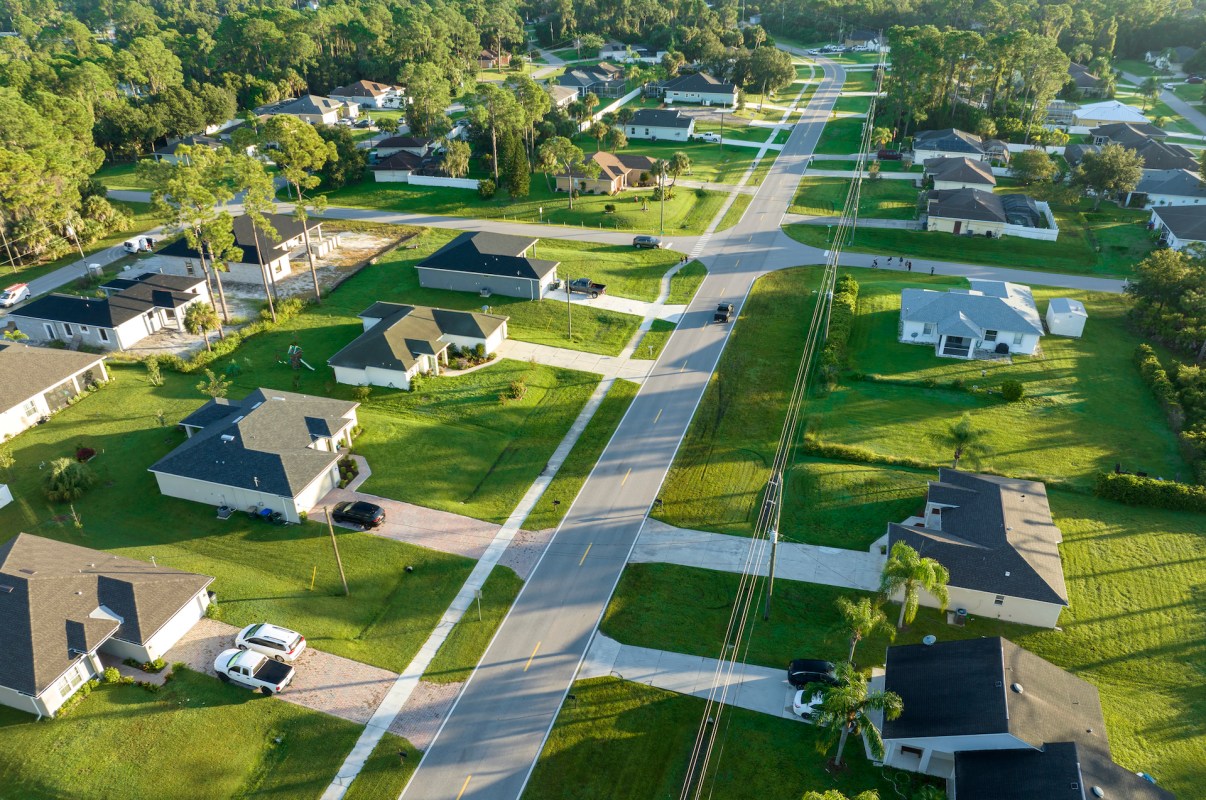
Home insurance premiums are taking off for those living near North Carolina's coast, and they're not slowing down any time soon.
What's happening?
The Wilmington StarNews reported that coastal New Hanover and Brunswick counties were ranked among North Carolina's five most insurance-stressed regions.
The designation comes from a new report by Guardian Service, a Raleigh-based independent insurance agency. Researchers dug into about 90 counties, analyzing everything from climate risk to claim patterns, per the StarNews.
New Hanover County took the top spot. It had the highest average home insurance cost in the state at $6,631.
Within the next year, at least another $1,400 is expected to be added to the cost, bringing the average premium to around $8,000.
In Brunswick County, the average cost of a 2025 policy is $4,813 for a $350,000 dwelling coverage.
As Guardian Service spokesperson Dayna Edens told the StarNews about Brunswick County's average cost, "That figure is projected to rise to $5,865 in 2026, based on already-approved rate filings."
The report found the county had a 162.4% jump in average claim severity between 2018 and 2022 — higher than both New Hanover and Pender counties. In 2018, the average claim in Brunswick County was $7,800. By 2022, it had jumped to almost $20,500.
Insurance Journal reported early this year that overall homeowners insurance rates in North Carolina are set to climb about 15% on average by mid‑2026 under a settlement approved by the North Carolina Department of Insurance and insurers.
Why are rising insurance rates concerning?
As insurance costs climb — or insurers pull coverage from certain locations altogether — many homeowners are left making hard decisions. Some scale back coverage. Others risk going without. That can leave them footing the bill for costly repairs or losing their homes.
TCD Picks » Upway Spotlight
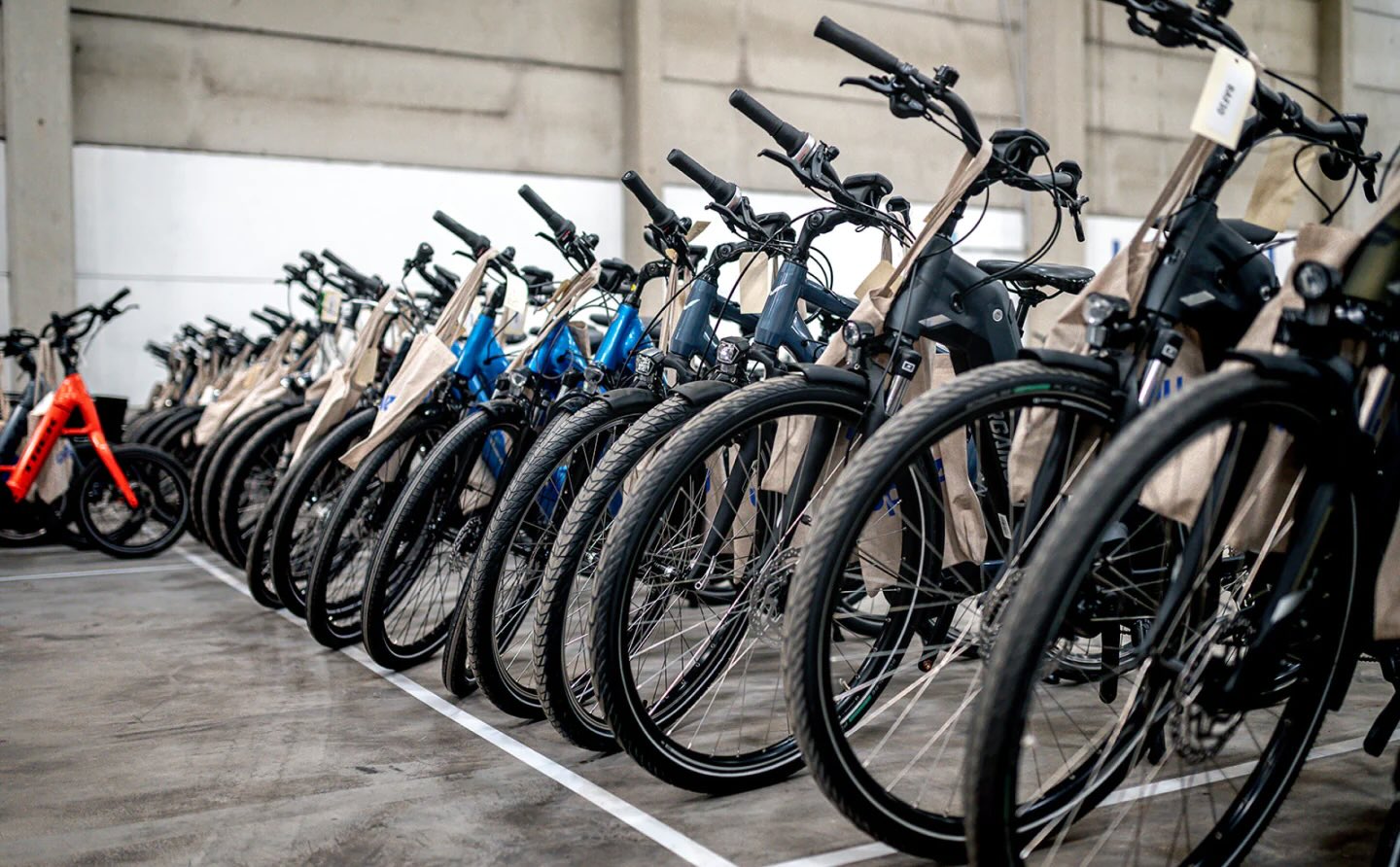
💡Upway makes it easy to find discounts of up to 60% on premium e-bike brands




|
Do you think your house could withstand a hurricane? Click your choice to see results and speak your mind. |
 No way 😨
 Per the StarNews report, Guardian Service ranked New Hanover County as the area with the highest "climate and insurance pressure" in North Carolina, which suggests why insurance premiums are also the highest in the state.
To illustrate the strain on the area, New Hanover was put under a state of emergency in September 2024 as a tropical cyclone brought severe flooding.
New Hanover's high costs are partly tied to a 36% paid loss ratio and average claims topping $17,000. Brunswick isn't far behind with a 26% paid loss ratio.
According to Edens, the size of the paid loss ratio can reflect the weather-related damage in a particular area.
This isn't isolated. Similar spikes are hitting other coastal regions, where warmer oceans — as a result of the human-caused production of heat-trapping pollution — lead to stronger storms that make damage more likely and more expensive to remedy.
What can I do about extreme weather?
A primary factor behind increasingly devastating extreme weather events is rising global temperatures. Pollution from transportation, industrial, agricultural, and energy sectors traps heat in the atmosphere, which causes thermometers to creep higher.
This increases the length and strength of destructive events such as hurricanes. Coastal communities, such as New Hanover County and Brunswick County, are among the worst affected by these weather events.
With that in mind, reducing pollution is essential to curb rising temperatures and decrease the threat of extreme weather that causes insurance rates to soar.
Ditching a gas-guzzling car, eating more plant-based foods, and investing in renewable energy are all ways we can help keep the planet cooler while saving money in the process.

Join our free newsletter for good news and useful tips, and don't miss this cool list of easy ways to help yourself while helping the planet.
Cool Picks





