


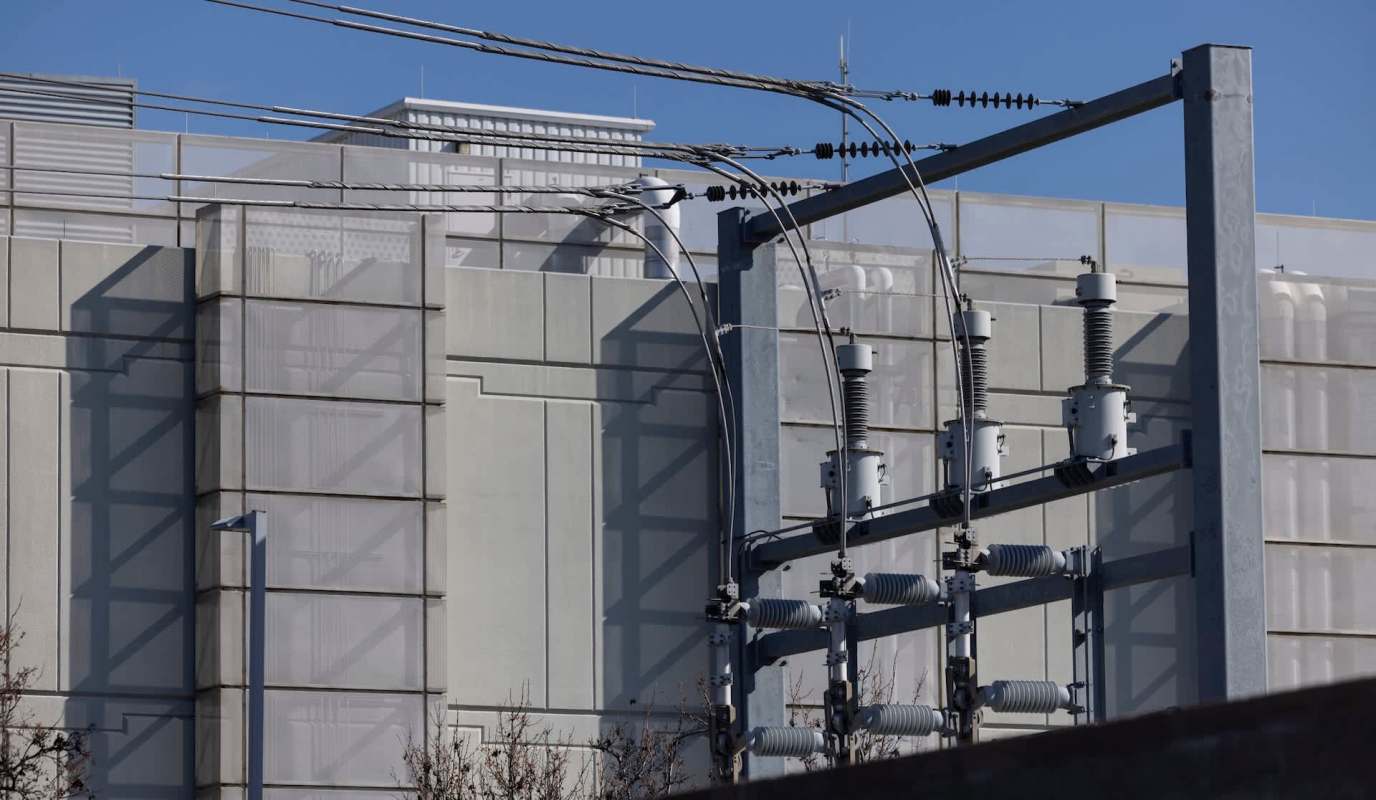
New Jersey is taking a new approach to keep household electricity bills from rising alongside the artificial intelligence boom.
As NJ.com reported, a newly signed state law will require large data centers to pay for the electric infrastructure tied to their projects rather than allowing those costs to be passed along to other utility customers.
What happened?
After Gov. Mikie Sherrill signed the measure Tuesday, state regulators were tasked with designing a separate electricity rate for the largest data centers.
To protect other customers, the law requires those facilities to provide financial assurances if a project is canceled or ends up needing less power than projected, NJ.com clarified. It also makes them pay for the grid upgrades tied to their energy use.
With AI demand driving new proposals and construction, the decision affects a state that already hosts more than 70 data centers. One major example that NJ.com cited is the DataOne campus in Vineland, which could require enough electricity to power a small city.
"I made a commitment to rein in energy costs, and today we are delivering on that commitment," Sherrill said. "For too long, New Jersey families have paid the price for poor oversight, outdated policies, and rising demand on our electric grid by unchecked actors."
TCD Picks » Quince Spotlight
💡These best-sellers from Quince deliver affordable, sustainable luxury for all




Why does it matter?
Data centers have become a growing source of concern because of the enormous amounts of electricity and water they can consume.
AI-focused facilities in particular can draw as much power as tens of thousands of homes and use millions of gallons of water each year to cool equipment.
Before the decade ends, New Jersey Policy Perspective reported that those sites could make up close to 10% of New Jersey's electricity demand, and it suggested the growth of AI facilities helped drive last year's jump in electric bills.
The new law is intended to keep ratepayers from absorbing the cost of expensive utility investments that primarily serve giant industrial users.
What's being done?
The next step falls to the New Jersey Board of Public Utilities, which must work out the new rate design and the financial safeguards meant to protect other customers.
Alongside the data-center measure, Sherrill signed two more energy bills Tuesday, NJ.com reported. One eliminates a utility incentive that officials said increased transmission costs, and another adds extra state approval before certain major grid projects can move ahead.
Khara Boender, director of state policy for the Data Center Coalition, told the publication that the industry supports paying for the power it uses.
However, the coalition's main criticism is that the law singles out data centers.
"We're not opposed to the goal of the legislation that's seeking to ensure that cost allocations are appropriately spread across customers," Boender explained.
Sherrill argued that the package of energy actions could deliver substantial savings.
"The actions we have taken over the last six months, including the bills I signed today, will save New Jerseyans more than $1 billion every year," Sherrill said, per NJ.com.

Get TCD's free newsletters for easy tips, smart advice, and a chance to earn $5,000 toward home upgrades. To see more stories like this one, change your Google preferences here.






