


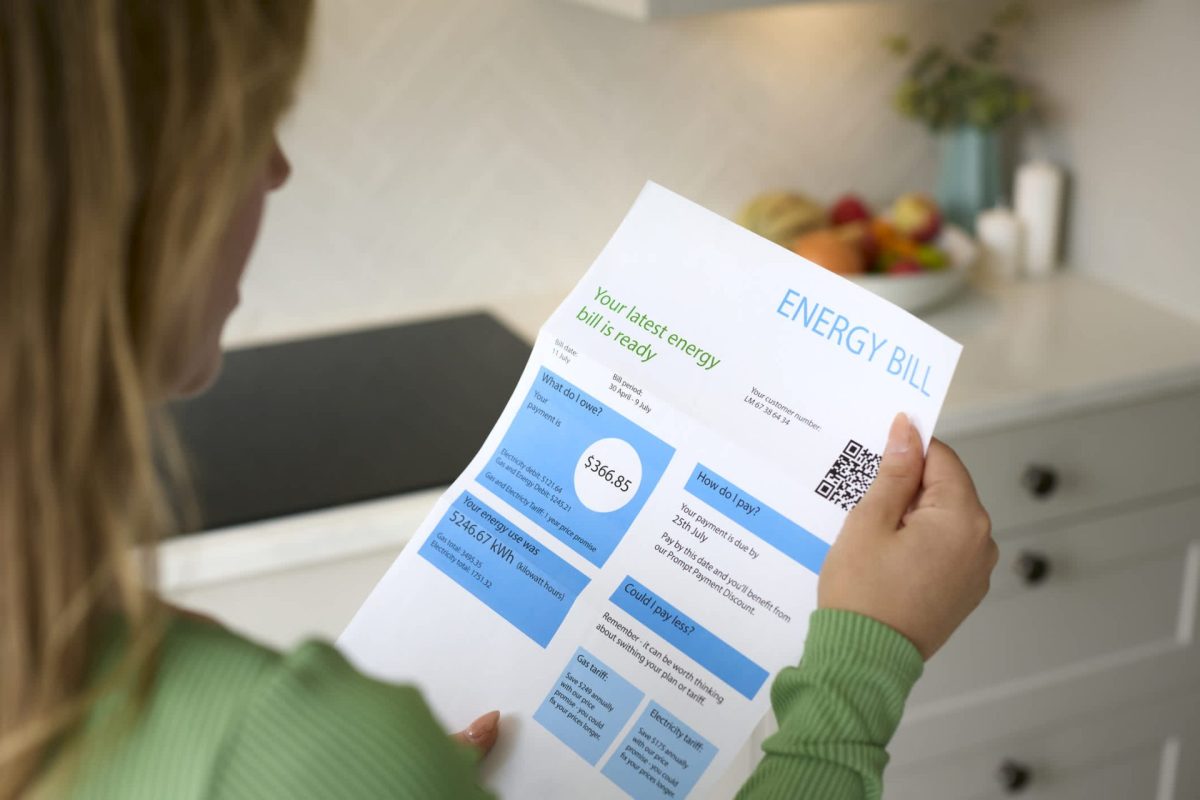
New Jersey is heading into the hottest part of the year with electricity prices already among the highest in the country. For some, simply running the AC is a real financial decision. The growing demand from AI-related data centers is attracting blame, according to Gothamist.
Although a bill has been introduced, many residents — especially those trying to stretch fixed incomes — are still waiting for the relief they were promised.
What's happening?
Half a year into Gov. Mikie Sherrill's time in office, electricity remains a major burden for many New Jersey households, Gothamist reported.
MIT and Heatmap data show that average household electricity spending in the state rose about 22% from the prior year, or nearly $400 more per home — the biggest annual increase of any state.
For Catherine Hunt, an 82-year-old retiree in Monroe Township, those higher costs have created painful tradeoffs. Hunt told Gothamist that her monthly bill, once around $50, reached $400 in colder months, leading her to turn off the heat and put on extra layers indoors.
One of Sherrill's early moves was an executive order that told the state utility regulator to reject proposed utility hikes. But as New Jersey ratepayer counsel Brian Lipman told the outlet, keeping rates from rising further is not the same as making them affordable.
TCD Picks » Quince Spotlight
💡These best-sellers from Quince deliver affordable, sustainable luxury for all




Experts say the main pressure comes from rapidly increasing electricity use tied to data centers.
Abe Silverman, an energy research scholar at Johns Hopkins University, explained, "The fundamental challenge is that we are experiencing tremendous growth and demand for electricity. There are just more people who want to use more electricity — and most of them are AI data centers."
Why does it matter?
Beyond being a household budget problem, expensive electricity can become a health risk when dangerous summer temperatures make cooling essential.
When people hesitate to run air conditioning because they fear the bill, the consequences can escalate quickly for people on tight budgets.
AI is becoming increasingly tied to the power grid. The infrastructure behind AI can require enormous amounts of electricity and water for cooling.
If that growth outpaces grid upgrades and oversight, households can wind up paying more, and concerns about security, misuse, and other unintended consequences continue to climb.
New Jersey is already seeing that strain. PJM spokesperson Jeff Shields told Gothamist that "substantial demand growth" tied to data centers and "the artificial intelligence race" is helping push prices upward even though the grid currently has enough resources to meet demand.
What's being done?
Lawmakers have started targeting the biggest AI facilities. Last Wednesday, the state's legislature passed a bill requiring data centers drawing 100 megawatts or more to pay for grid upgrades.
The legislation also says large power users during peak-demand periods must guarantee payment on at least 85% of the electricity they request for a decade, helping shield everyday customers if those facilities later cut back their usage.
New Jersey is also working to speed renewable and nuclear development while expanding rooftop solar, battery storage, and other programs that can ease pressure during periods of peak demand.
The Sherrill administration has also directed the state utility authority to study virtual power plants, which connect batteries in homes and other buildings so stored energy can be used when the grid is under the most stress. Silverman said tools like those may offer faster relief than waiting for major new infrastructure to be built.
"Opening that bill for me and seeing that number. Oh, I just went, 'Yikes, what can I do about this?'" Hunt said to Gothamist.
As Silverman put it, "We absolutely need to be thinking about how do we expand the pie."

Get TCD's free newsletters for easy tips, smart advice, and a chance to earn $5,000 toward home upgrades. To see more stories like this one, change your Google preferences here.






