


It has been almost 80 years since the conclusion of the Manhattan Project, and 52 years since a federal program was established to remediate sites connected with potential radiation exposure.
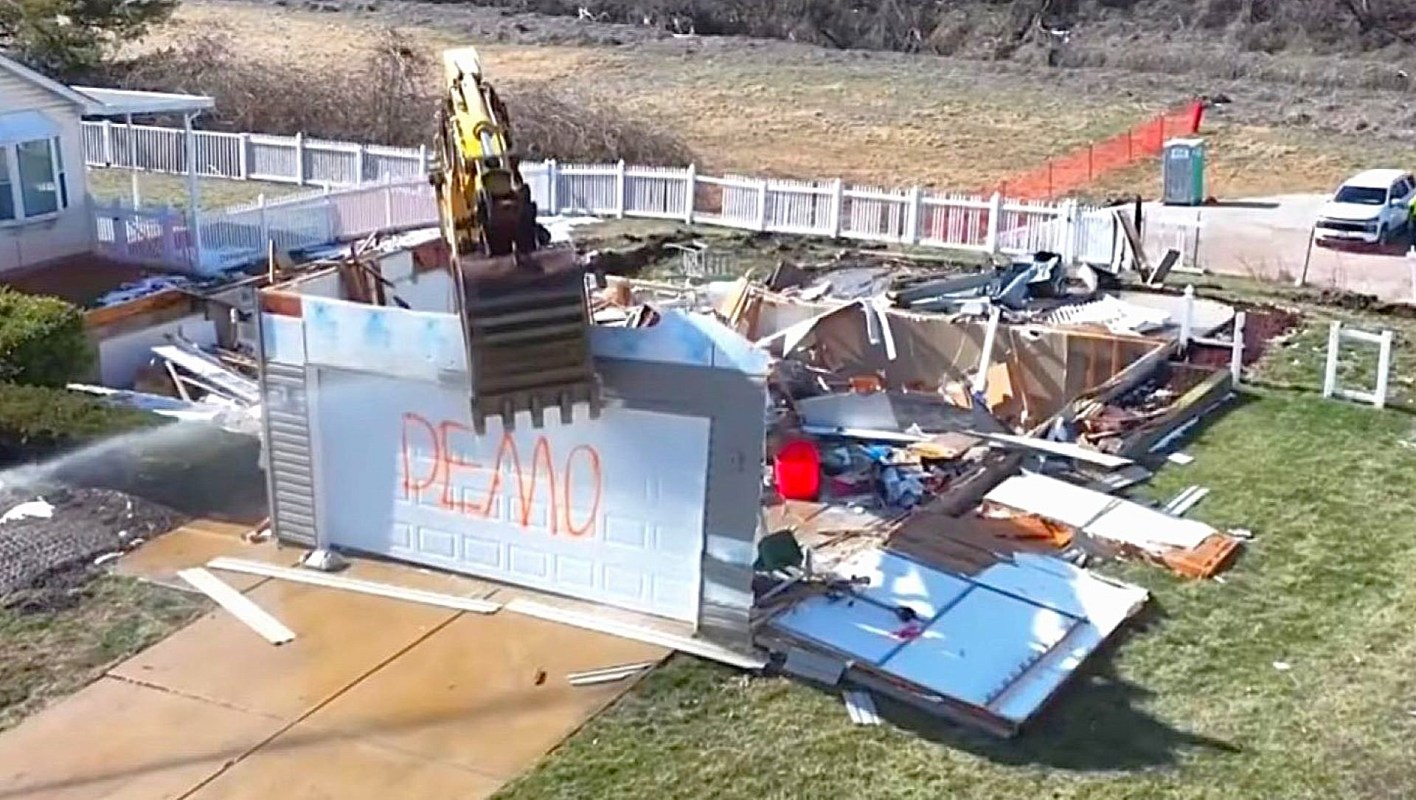
2026 marks the program's first demolition of a residential block.
What's happening?
The U.S. Army Corps of Engineers tested soil in the backyards of properties along the 800 block of Cades Cove Drive in Florissant, Missouri. It found nuclear contamination between 2.5 and 17 feet below the foundations of the homes.
The homes were built near Coldwater Creek, a waterway that has experienced contamination issues since the 1940s. Now, in February 2026, six of the homes on this block will be demolished.
Lt. Col. Andrew James, Deputy Commander for the St. Louis District for the Army Corps of Engineers, said to Spectrum News, "We've collected over 41,000 samples along Coldwater Creek. And although there's still more spots of contamination that we have to get, the data shows that these are the only homes that we have to demolish right now. For the residents in this area, especially the neighbors that are close … safety is our number one priority."
Spectrum News also spoke to Gina McNabb, a resident of the block whose home of 28 years was demolished. "My husband's had cancer, my kids had illnesses, and that's not to say that it definitely came from this, but now there's a question."
Federal authorities have not released the payouts to the affected homeowners; however, McNabb has confirmed that her home loan and moving expenses were paid off.
Why is radioactive contamination important?
Those who participated in the Manhattan Project focused more on physics than on the biological effects of radiation. Eighty years later, experts are still finding radiation in the soil under homes, in waterways, and an increased cancer risk in people living near high-risk areas, as stated by experts in an interview with PBS.
Regardless, there are plenty of health risks associated with exposure to gas, coal, and oil, including asthma, many cancers, and lung disease.
Switching to nuclear power may come with its own unique set of risks, but also many benefits. Using nuclear power produces no carbon dioxide or air pollution and is much more efficient, as it's practically limitless, unlike the Earth's finite resources.
TCD Picks » Quince Spotlight
💡These best-sellers from Quince deliver affordable, sustainable luxury for all




|
Which of these savings plans for rooftop solar panels would be most appealing for you?
Click your choice to see results and earn rewards to spend on home upgrades. |
 Save $1,000 this year 💸
 Currently, almost 20% of U.S. electricity is produced by nuclear plants, according to data from the U.S. EIA, and many other plants are in the works, including Terrestrial Energy, which is partnering with the U.S. DOE.
What's being done about radioactive contamination?
For this demolition event, authorities have put in place strict monitoring to prevent the spread of contamination.
Upon completion and further retesting, the land will be returned to the homeowners.

Get TCD's free newsletters for easy tips to save more, waste less, and make smarter choices — and earn up to $5,000 toward clean upgrades in TCD's exclusive Rewards Club.
Cool Picks





