


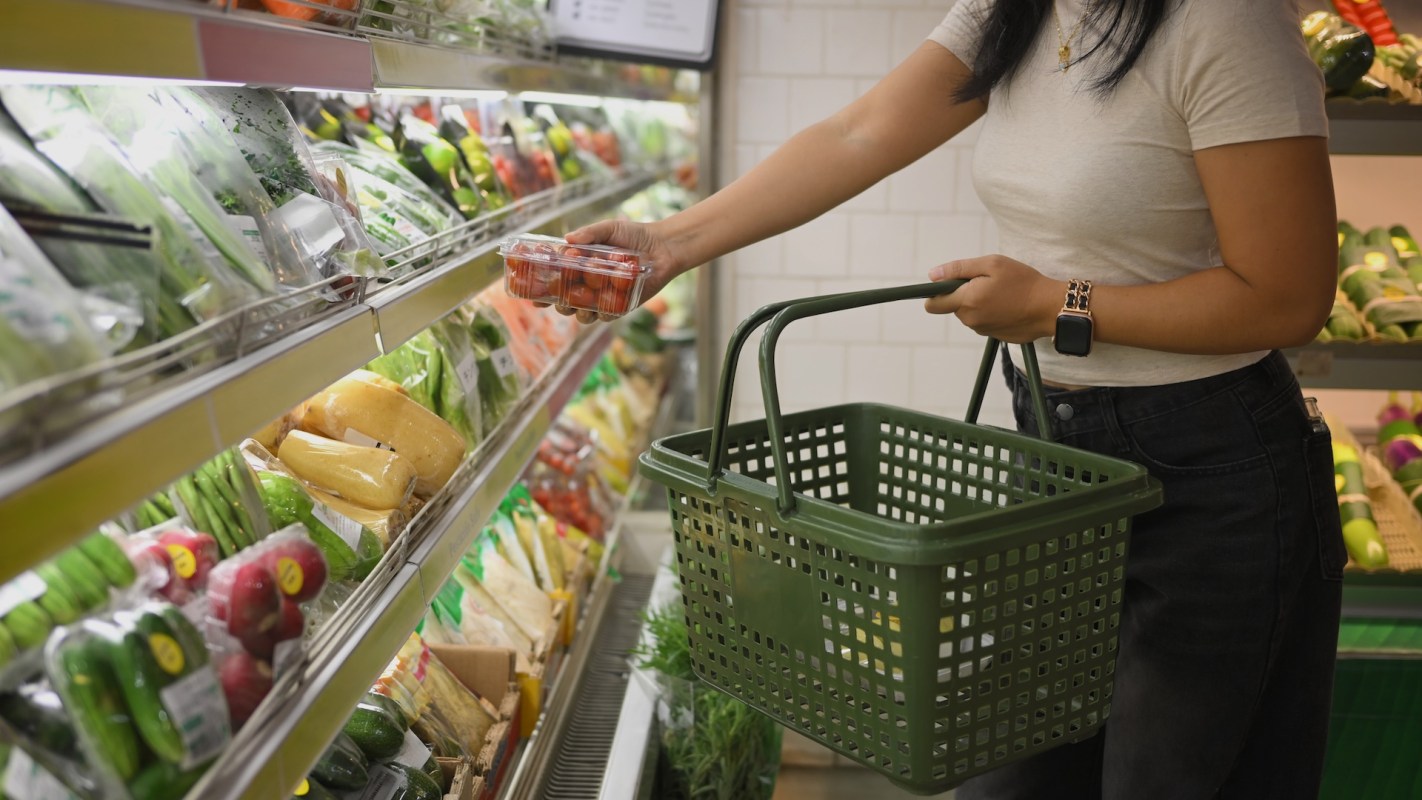
Some major food brands are reportedly using misleading labels on their packaging.
What's happening?
An investigation by multiple journalists and outlets into Europe's grocery store offerings found that many well-known food brands are wrapping products in packaging that may seem sustainable but is actually composed mostly of fossil-fuel-based plastics.
While such packaging may be labeled as "circular" or "recycled," experts say only a tiny fraction of this material in these particular containers actually comes from plastic waste. The products are made from "materials made by the plastic manufacturing arm of the oil company Saudi Aramco," according to The Guardian and its partner outlets.
The misleading claims seem to be based on a process called pyrolysis, which converts plastic waste into oil that can be reused to make new plastic.
The catch is that recycled oil often makes up less than 5% of the total material, with the remaining 95% coming from a virgin fossil fuel derivative. Through a controversial accounting method known as mass-balance bookkeeping, some companies have labeled certain such products as "100% recycled."
"This is unfair to consumers — recycled content should be physically part of the final product," Lauriane Veillard of Zero Waste Europe told the multi-outlet investigation.
Amid industry lobbying, the European Union is set to formally allow this practice starting in 2026, with similar regulations expected in the United Kingdom in 2027.
Why are misleading claims concerning?
For everyday shoppers, labels can shape buying decisions. This is especially true for people trying to reduce their environmental footprints.
Plastic production and use are major drivers of pollution, so the material is a prime target for many eco-conscious consumers who want to vote with their dollars. Processes like pyrolysis, meanwhile, can be very energy-intensive.
As consumers, it is important to learn how some companies can use vague sustainability claims — or greenwashing — to mislead shoppers. Investigative media, advocacy groups, and governments, meanwhile, can help to hold such companies to account.
TCD Picks » Upway Spotlight
💡Upway makes it easy to find discounts of up to 60% on premium e-bike brands





|
What's the most you'd pay per month to put solar panels on your roof if there was no down payment?
Click your choice to see results and speak your mind. |
 $200 or more 💰
 What's being done?
Environmental experts and advocates are urging regulators to tighten rules around recycled-content claims and require physical proof of recycled materials in packaging. Some policymakers are also pushing for stronger recycled-content standards that can't be met through accounting loopholes.
Meanwhile, some major grocery chains have piloted reusable container programs that can reduce plastic waste. These solutions don't rely on confusing labels or fossil-based materials.

Get TCD's free newsletters for easy tips to save more, waste less, and make smarter choices — and earn up to $5,000 toward clean upgrades in TCD's exclusive Rewards Club.
Cool Picks





