


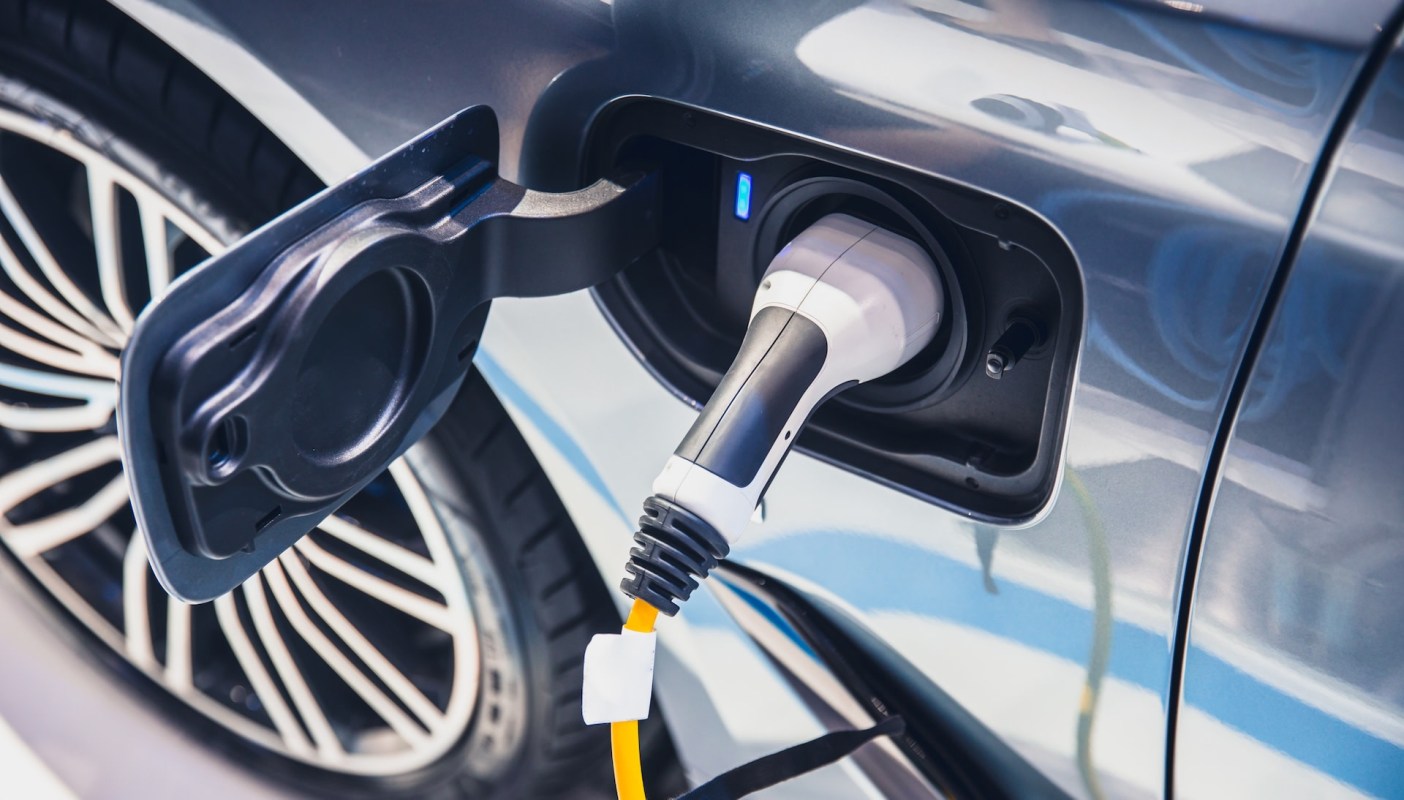
A proposed tariff in Mexico may be a speed bump for electric vehicle manufacturers in the country. Tesla and BYD may bear the brunt of the impact, as higher costs could drive their sales down.
What's happening?
Mexico has announced its plan to impose a 50% tariff on cars imported from countries without free trade agreements, including China, Regtechtimes reported. The proposed measure follows an earlier jump in taxes on Chinese-made electric vehicles from 0% to 15% this year.
The move is a strategic realignment of trade. The new tariff would also give U.S. manufacturers in Mexico an edge over Chinese imports.
Ford, General Motors, Stellantis, and other traditional automakers won't be affected since they're covered by a 2003 ruling that allows manufacturers to import cars from non-free-trade countries if they have existing production plants in Mexico.
However, things don't bode well for relatively new players in the market. Tesla and BYD, in particular, will likely be severely affected since both companies have no local factories. While Tesla does much of its manufacturing in the U.S., it imports all of its Model Y and Model 3 cars sold in Mexico from China. This means every car Tesla sells in Mexico will be taxed heavily.
Tesla has experienced market challenges in other countries. For example, in July of this year, the company's Model Y sales in Australia fell behind those of BYD's Sealion 7.
Why is the proposed tariff concerning?
With tariffs on Chinese-made electric vehicles already rising to 15% this year, the additional tax would further drive up EV prices, potentially slowing EV adoption in Mexico.
China is also the major producer of EVs, delivering more than 70% of the world's electric cars in 2024, according to the International Energy Agency. The new trade barriers would, in turn, limit access to more affordable choices for those looking to make their next car an EV.
With transportation still being the biggest source of air pollution — contributing up to 28% of heat-trapping gases globally, as reported by the U.S. Environmental Protection Agency — slowing EV adoption could also delay progress toward cleaner air.
What's being done about the issue?
The proposal still requires the approval of Mexico's Congress. China is urging them to reconsider, while the United States appears to support the move. With the Congress majority aligned with the ruling party, the tariff has a strong chance of being passed.
TCD Picks » Quince Spotlight
💡These best-sellers from Quince deliver affordable, sustainable luxury for all




Individuals concerned about rising EV costs can make their voices heard by supporting lawmakers who advocate policies that strengthen access to clean transportation.
|
Which of these factors is your biggest obstacle to purchasing an EV? Click your choice to see results and speak your mind. |
 Cost concerns 💸
Join our free newsletter for good news and useful tips, and don't miss this cool list of easy ways to help yourself while helping the planet.
Cool Picks






