


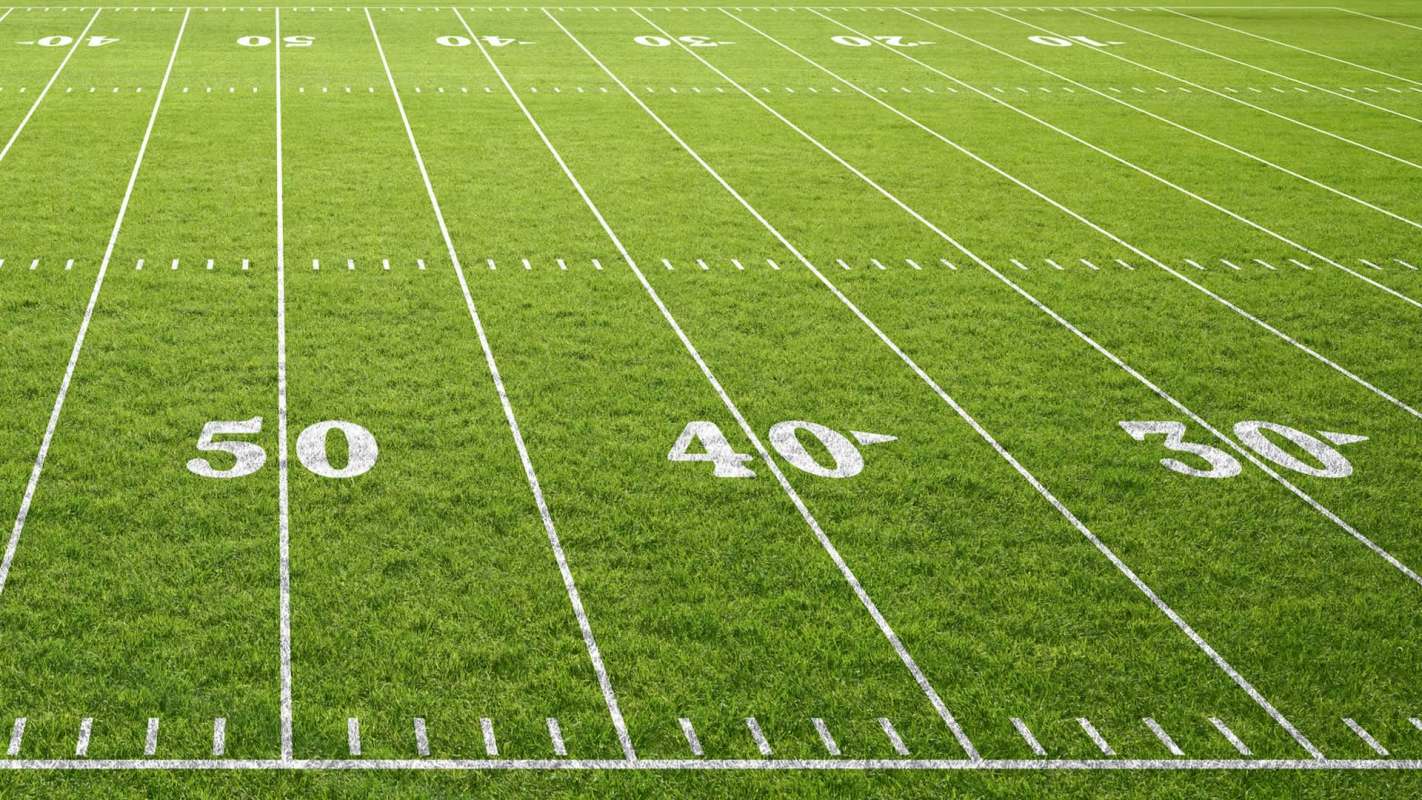
A wayward step on the wrong surface can end a sports season. Miami Dolphins safety Ashtyn Davis learned that the hard way at MetLife Stadium in New Jersey.
Davis suffered a season-ending Lisfranc foot injury during his rookie year with the New York Jets, as the stadium's artificial turf trapped his cleat and injured his foot.
"Yeah, I definitely prefer grass," he told The Palm Beach Post, reflecting on the injury.
The MetLife playing surface has faced criticism from several other NFL players. In 2023, Jaelan Phillips tore his Achilles tendon, and Jevon Holland injured both knees on the stadium's artificial turf. Holland described the field as "trash" after missing four games due to his injuries.
Players often report that artificial turf feels harsher on the body, increasing soreness and strain on knees and joints.
"To me, all turf is less than ideal," Dolphins defensive lineman Zach Sieler told the Post. "I always prefer playing on natural grass. … There's a reason you feel so much more sore after playing on turf."
Despite updates to MetLife's field — including replacing UBU Sports Speed turf with FieldTurf Core — players remain wary, and the NFL Players Association continues to push for natural grass surfaces.
"I obviously prefer grass," said current Dolphins and former Jets quarterback Zach Wilson. "I think it's more comfortable to land on, a little more comfortable to play on."
Artificial turf isn't just a player concern. The fields often contain PFAS chemicals and microplastics that can leach into the environment. In fact, the chemicals have been linked to severe health complications in people regularly exposed to them, including athletes.
Maintenance and field replacement costs can exceed those of natural grass over time, despite perceptions of synthetic surfaces being cheaper or easier to manage.
TCD Picks » Quince Spotlight
💡These best-sellers from Quince deliver affordable, sustainable luxury for all




|
What's the most you'd pay per month to put solar panels on your roof if there was no down payment?
Click your choice to see results and speak your mind. |
 $200 or more 💰
 It's a similar case for home gardens, as those who have replaced a lawn with a perceived low-effort fake alternative soon discover its downsides, such as pungent smells, scorching surfaces, and weeds fighting their way through the material.
Natural lawns, such as clover or buffalo grass, offer a much better solution, reducing water use, minimizing mowing, and attracting vital pollinators. Rewilding with native plants can provide similar benefits.
The NFL is attempting to address the concerns about fake turf. The league and NFL Players Association have agreed to new surface standards, requiring stadiums to meet enhanced testing benchmarks by the 2028 season.
Still, players continue to emphasize the importance of protecting their bodies.
"How we play, what we put our bodies through, I feel like if there's a way that we can minimize impact to our bodies to help keep us healthier for the next week, I feel like that's something you'd want to do," Sieler added.

Get TCD's free newsletters for easy tips to save more, waste less, and make smarter choices — and earn up to $5,000 toward clean upgrades in TCD's exclusive Rewards Club.
Cool Picks




