


Plants near small-scale gold extraction sites absorb mercury at rates ranging from 10 to 50 times higher than what researchers found in distant fields, and the contamination travels through the air rather than the dirt, according to the European Geosciences Union.
What's happening?
Researchers examining Nigerian farmland found that mercury from gold mining drifts into plants via their foliage instead of through underground roots, overturning decades of scientific assumptions.
A team of researchers from Queen's University and University of Lagos analyzed harvests from a field situated half a kilometer from mining activity and another located eight kilometers away. The leaves carried the most mercury, while edible portions such as roots and grain kernels contained lower but still measurable amounts of the toxin.
"Mercury uptake by plants from air represents the largest sink of mercury from air to terrestrial [land and freshwater] systems," said David McLagan, one of the lead researchers. "While this critical ecosystem service helps reduce the amount of mercury being distributed globally through the atmosphere, it raises human health concerns when it is staple crops that are the mechanism stripping the air of mercury."
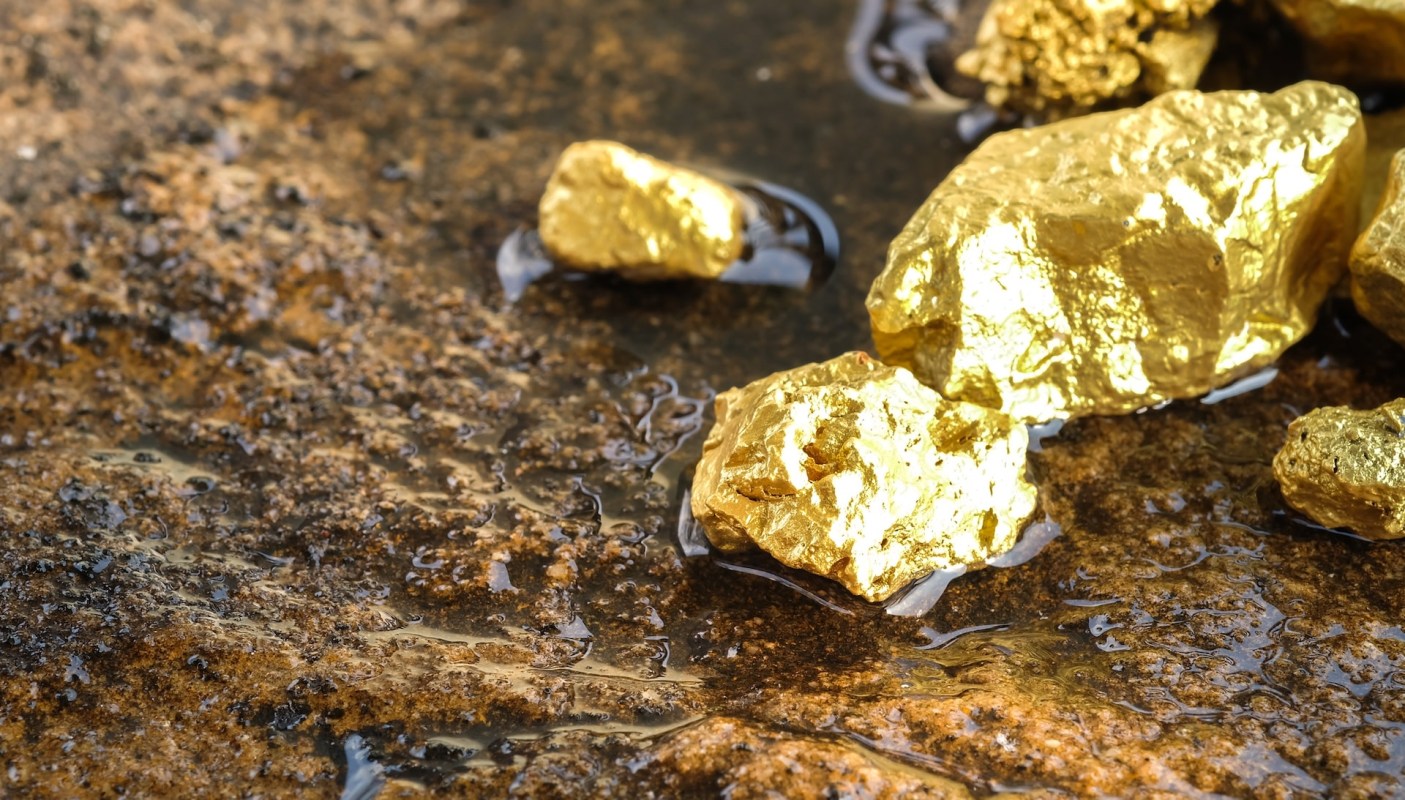
Gold miners rely on mercury to separate the precious metal from unprocessed ore. With gold values climbing over 1,000% since 2000, illegal extraction has expanded quickly through impoverished countryside regions.
Why is airborne mercury contamination important?
This metal harms brain and nerve function at minimal exposure levels. Young children can develop thinking and learning difficulties, while adults may experience cardiac issues and reproductive harm.
Rural families who farm their own food face the greatest danger. Although tested plants stayed within international safety guidelines, those benchmarks assume smaller portions than many subsistence farmers actually eat.
Illegal gold extraction now releases more mercury than all other human activities combined. These operations often supply the sole income for households in extreme poverty.
"Miners will not stop using mercury for gold extraction unless they get a readily available alternative that is also cost-effective," said Abiodun Mary, a researcher at the University of Lagos.
Millions of people across three continents cultivate and eat food near these mining areas.
TCD Picks » Quince Spotlight
💡These best-sellers from Quince deliver affordable, sustainable luxury for all




|
Do you worry about having toxic forever chemicals in your home?
Click your choice to see results and speak your mind. |
 Majorly 😥
 What's being done about mercury in crops?
The Minamata Convention on Mercury works to lower global mercury releases, though existing tracking programs monitor waterways and fish instead of farmland.
These findings show that protective measures must reach farming areas near extraction sites. The research team is pushing for new regulations to track mercury concentrations in the air surrounding farms and safeguard food sources.
International governments need to write rules addressing both water and air pollution sources. Enhanced monitoring could flag at-risk areas before chronic health conditions result.

Join our free newsletter for good news and useful tips, and don't miss this cool list of easy ways to help yourself while helping the planet.
Cool Picks




