


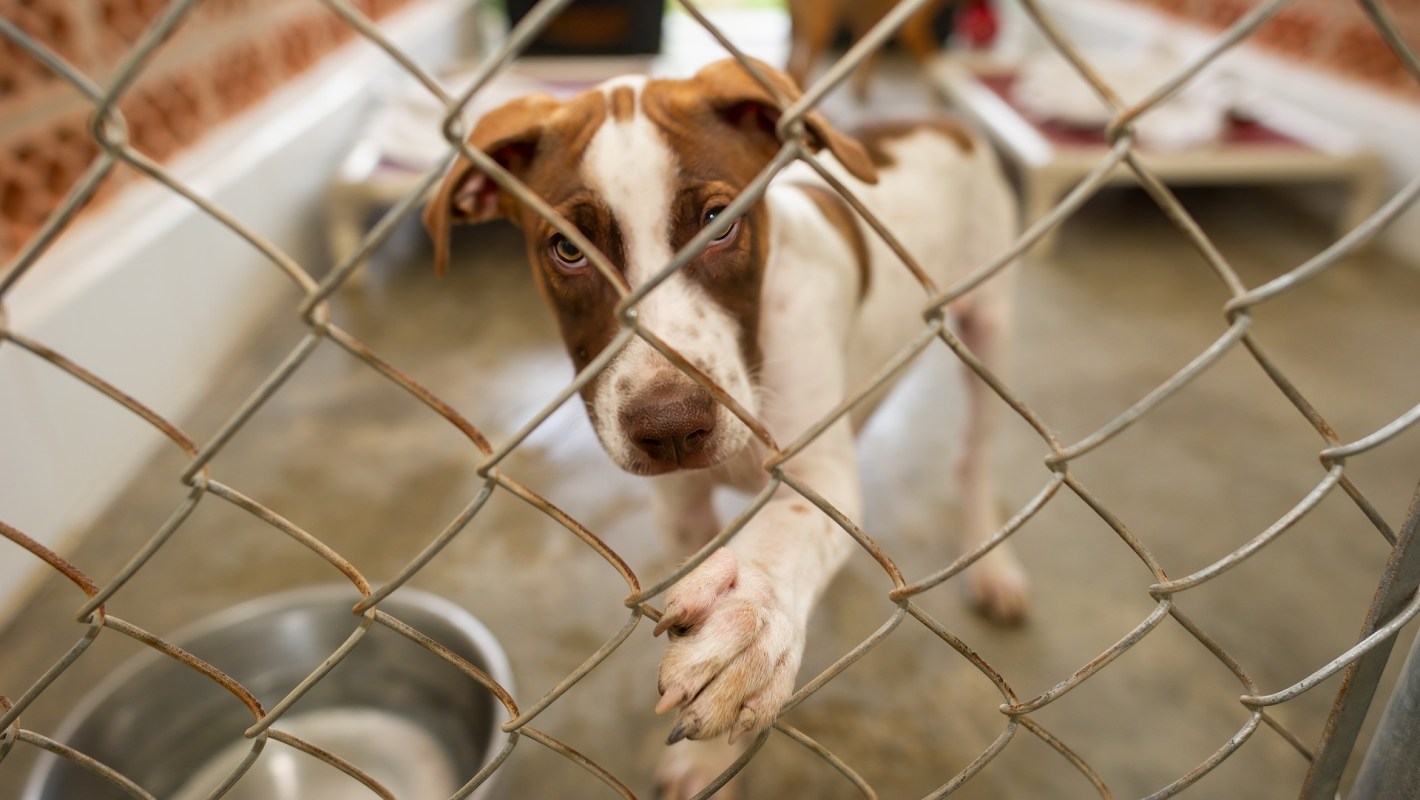
As the expense of keeping a pet climbs, some households are being pushed into painful financial decisions. In Winnipeg, one rescue told CBC News that those pressures have already led to nearly 200 animals entering its care.
What's happening?
The Winnipeg Pet Rescue Shelter has taken in close to 200 animals from people who say routine needs like food and veterinary care have become unaffordable.
Carla Martinelli-Irvine, founder and executive director of the shelter, told CBC News the number has surpassed even the shelter's previous difficult years.
"There is more this year than any other year," she said. "Last year was a lot. This year is more than a lot, you know, and it's just so unfortunate."
Among the animals brought in was Hero, a 6-year-old Chihuahua cross that had been attacked by a larger dog, the outlet noted. By the time he arrived at the shelter, Martinelli-Irvine said the wound was infected and that the cost of care would have been more than $7,000, beyond what his owner could pay, CBC News reported.
The issue is not limited to one shelter. Carly Peters, director of communications for the Winnipeg Humane Society, told the outlet that some 500 pets entered the organization's care in July alone.
TCD Picks » Quince Spotlight
💡These best-sellers from Quince deliver affordable, sustainable luxury for all




While many were strays, about 150 were surrendered by owners, and Peters said most of those pets were relinquished because their families could not afford veterinary treatment, CBC News reported.
Why does it matter?
Martinelli-Irvine said the reasons behind pet surrenders have shifted significantly over the years.
"It used to be a matter of unwanted pets," she relayed to the outlet. "There is definitely, definitely an increase over the years, with this year being the worst for relinquishments due to cost."
As the cost of core items like food and electricity rises, there's a belief that keeping pets is seen as too much of a burden for some.
"Pets are part of our family, and having to make that choice, you know, to surrender them into care because you can't afford the vet care is heartbreaking," Peters explained to CBC News.
Companion animal veterinarian Jonas Watson, owner of Grant Park Animal Hospital, said veterinary care is becoming more expensive, as are other everyday necessities.
"It's like a reflection of the high cost of everything in our society right now, whether it's grapes or new cars or your dog's ear medicine," he suggested to the outlet.
What's being done?
Shelters and veterinary clinics are trying to absorb some of the burden. Watson estimated to CBC News that his practice absorbs well into six figures annually in subsidized care, even as veterinary workers deal with rising operating costs and growing burnout.
Martinelli-Irvine suggested to the outlet that preventive care can help reduce the likelihood of major surprise expenses. Vaccinations, checkups, and early treatment may help keep smaller health problems from becoming emergencies.
Even so, she acknowledged that annual care may still be out of reach for some households. Community support also plays an important role, as donations can help shelters cover lifesaving treatment for animals such as Hero.
"A lot of good people, due to cost, are having to relinquish their pets," Martinelli-Irvine concluded to CBC News. "I think it's just incredibly sad, there's no other word for it. It's so sad for the animals, and it's so sad for the people."

Get TCD's free newsletters for easy tips, smart advice, and a chance to earn $5,000 toward home upgrades. To see more stories like this one, change your Google preferences here.






