


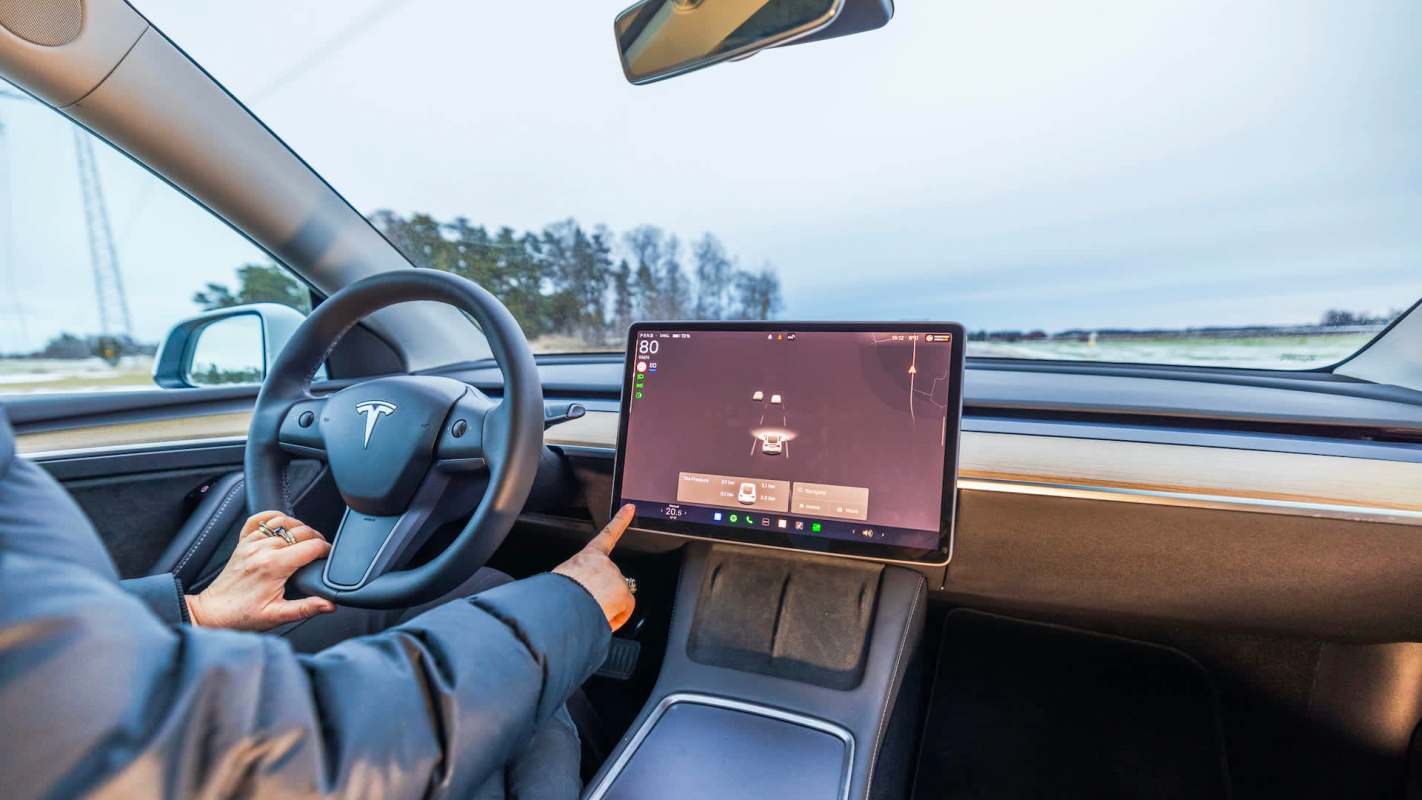
Tesla drivers in Lithuania have just gained access to a feature that could make highway and city driving feel more automated, although humans still remain fully responsible for what happens behind the wheel.
The country has approved Tesla's Full Self-Driving (Supervised) software for use on public roads, giving drivers there a new option while also renewing questions about safety, oversight, and how quickly Europe will move on driver-assistance technology.
What happened?
According to a Reuters article, Lithuania has cleared Tesla to use its Full Self-Driving (Supervised) feature on public roads. It makes Lithuania the second European market after the Netherlands to do so.
The approval was issued after a half-year review by Lithuania's transport ministry and transport safety authority. The decision covers eligible Model S, Model 3, Model X, and Model Y vehicles that use Tesla's Hardware 4 computer.
For Tesla customers, that means eligible owners in Lithuania can now legally use the company's advanced driver-assistance system on public roads. But the "Supervised" part of the name matters: Drivers still need to stay attentive and be ready to take over at any moment.
The move also arrives as Tesla seeks faster regulatory approvals across Europe. That effort has run into pushback in Germany and France, with regulators asking for additional proof that the system is safe in urban traffic. Tesla shares rose modestly on the news, but analysts said Lithuania's limited market size means the near-term business impact will be small unless other European regulators follow suit.
TCD Picks » Quince Spotlight
💡These best-sellers from Quince deliver affordable, sustainable luxury for all




Why does it matter?
For consumers, the decision suggests advanced driver-assistance features could become available in more places, but not all at once. If more European countries approve the software, Tesla owners may start to see greater consistency in what their vehicles are allowed to do across borders.
At the same time, the approval underscores a familiar tradeoff. Features including lane guidance, navigation-based driving, and automated responses to traffic conditions may reduce fatigue for some drivers, especially on longer trips. But they can also create confusion if people assume the technology is more capable than it actually is.
That matters more so now as Tesla deals with a more difficult sales environment. Broader software availability could help Tesla make its vehicles more appealing, but safety regulators are taking a cautious approach.
For everyday drivers, the main takeaway is simple: Access to newer car technology does not mean less responsibility. Local rules, road conditions, and vehicle hardware still determine what owners can actually use.
What can I do?
If you're considering a Tesla or another electric vehicle, it can help to separate driver-assistance features from true self-driving capability. Systems labeled as "supervised" still require constant human attention, so buyers should verify exactly which features are legal and enabled where they live.
It may also be worth checking hardware compatibility before paying for any optional software package. In Lithuania, the approval applies only to Tesla vehicles with Hardware 4, meaning not every Tesla owner will benefit.
Lithuania's decision is a notable step for Tesla owners, but it is also a reminder that driver-assistance rollouts remain highly local, tightly regulated, and still dependent on drivers staying engaged for every mile of the trip.

Get TCD's free newsletters for easy tips, smart advice, and a chance to earn $5,000 toward home upgrades. To see more stories like this one, change your Google preferences here.






