


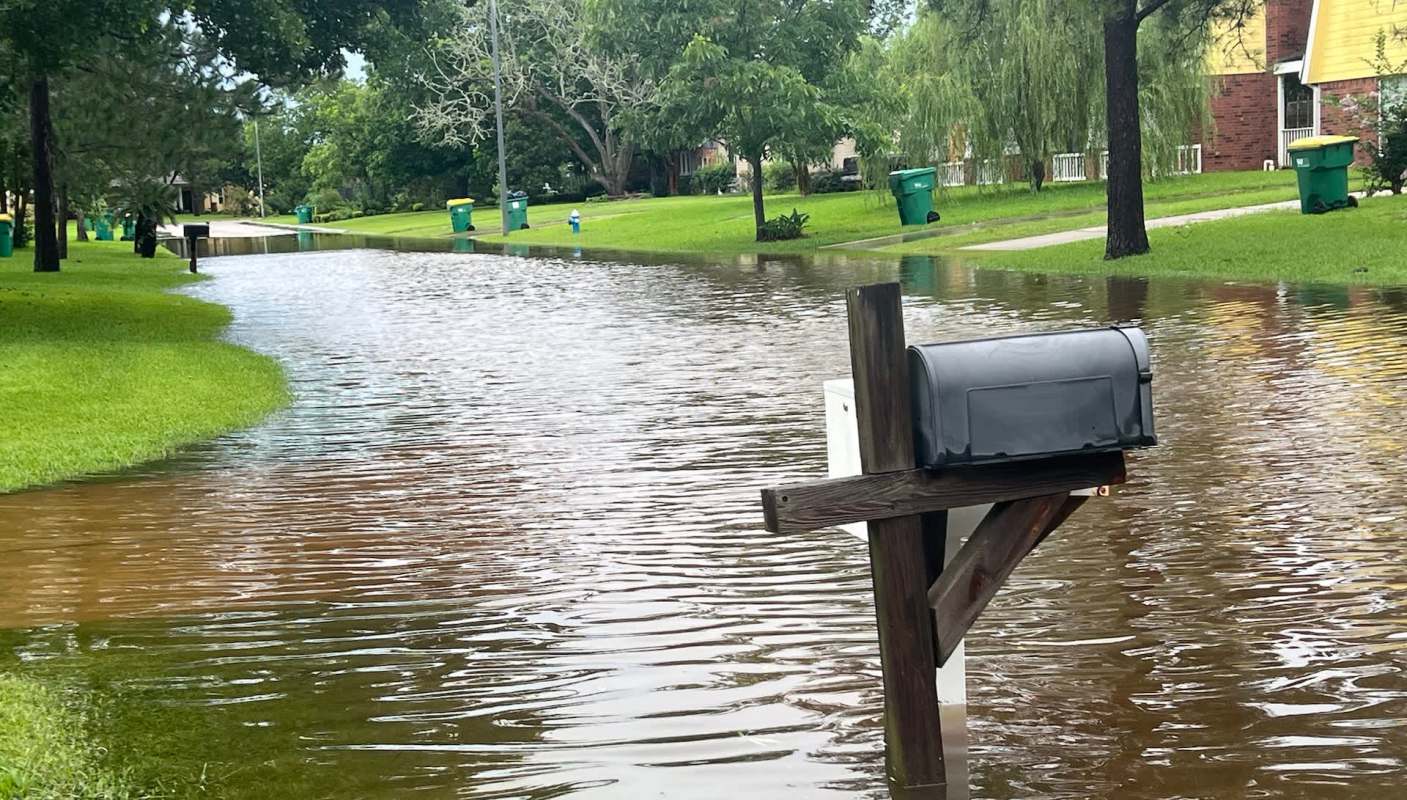
A Texas resident received a letter from Lemonade that left a bad taste in their mouth — and more homeowners could be next on the insurance company's list.
What's happening?
In May, Lemonade halted the sale of new home and condo policies in 12 counties, Insurify reported. Just two months later, the insurer added several Texas counties to its list, including Collin, Denton (one of the state's most populous), Abilene, and Lubbock.
Lemonade joined other major private insurers, including Farmers and Progressive, in limiting coverage offerings in the Lone Star State.
Why is this important?
Lack of access to insurance can cause housing instability since mortgage lenders and leasing companies usually require insurance to buy a home or rent an apartment.
Insurance also provides a crucial safety net to homeowners and communities in the event something goes awry, helping them recover more quickly and completely.
However, insurers are withdrawing or drastically reducing coverage in disaster-prone states such as Texas, which experienced 190 billion-dollar weather disasters from 1980 to 2024, according to the National Oceanic and Atmospheric Administration. Lemonade confirmed to one Texas policyholder that the threat of extreme weather was the reason why he was losing coverage.
"We are required to follow our underwriting guidelines when it comes to determining which properties we can or cannot insure. One of those guidelines prevents us from covering homes in areas with significant exposure to weather-related catastrophes," Lemonade wrote to Dallas-area resident Jason Wheeler, who shared the letter with WFAA. "Our team determined that your address doesn't meet our weather exposure guidelines, so unfortunately, we won't be able to renew your policy."
What is being done about this?
Lemonade said in the letter that reducing coverage protects its remaining customers because it can "help ensure we're there when disaster strikes." However, this explanation feels hollow when policyholders are left high and dry in their hours of need.
One startup has developed advanced modeling software to analyze climate risks and help homeowners find ways to protect their properties. Others are exploring ways to weatherproof their homes to limit damage from extreme weather and earn insurance discounts.
Yet such actions are temporary since rising global temperatures are supercharging extreme weather and contributing to the insurance crisis.
TCD Picks » Quince Spotlight
💡These best-sellers from Quince deliver affordable, sustainable luxury for all




|
How much money do you plan to spend on home improvement projects this year? Click your choice to see results and speak your mind. |
 Under $1K 😎
 "If we insure a lot of homes that could all potentially get damaged by the same event at the same time, it might be too risky for us at our stage and size. That means we currently limit coverage in areas with significant exposure to wildfire, hurricanes, and so on," Lemonade says.
Understanding critical climate issues — including how dirty fuels release heat-trapping pollution when burned — is the first step toward addressing the root of the problem. One easy and cost-effective way to slash troublesome emissions is to unplug energy vampires in your home.

Join our free newsletter for good news and useful tips, and don't miss this cool list of easy ways to help yourself while helping the planet.
Cool Picks




