


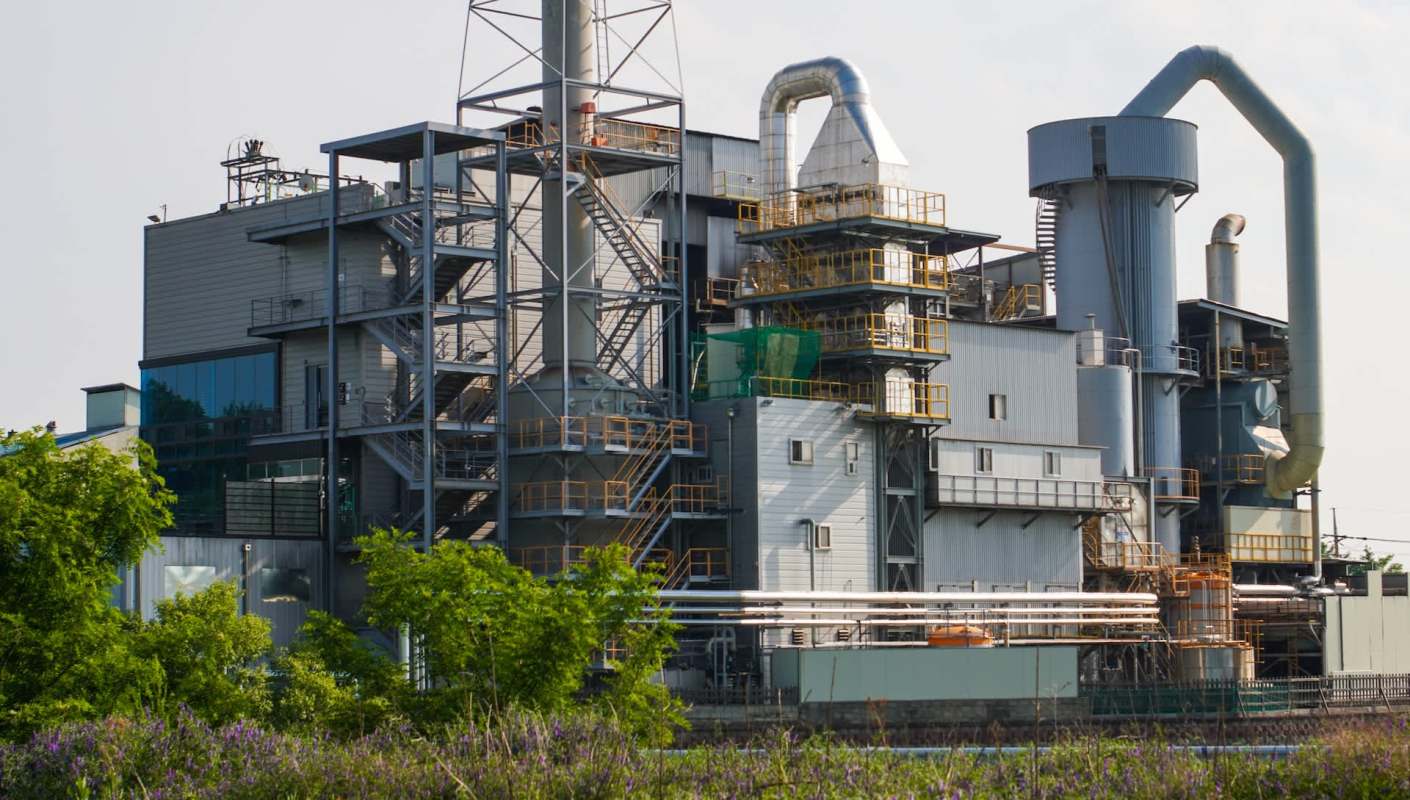
Farmers in South Korea are suing their state-owned power company in a landmark case that links repeated crop failures to years of dirty fuel-heavy electricity production.
The lawsuit is among the first of its kind in the country and reflects growing frustration among farmers facing increasingly erratic weather and declining yields.
What's happening?
Five farmers have filed a lawsuit against Korea Electric Power Corporation (Kepco) and its power-generating subsidiaries, alleging their reliance on coal and other dirty fuels has contributed to destabilized weather that damaged crops, the Associated Press reported.
The case is being handled by the nonprofit Solutions for Our Climate and represents farmers from across South Korea. Lawyer Yeny Kim said it is the first lawsuit of its kind in the country.
Rice farmer Hwang Seong-yeol said this past season was among the hardest in his three decades of farming. After a cold spring, summer floods, and nearly three weeks of nonstop rain in the fall, he expects his harvest to be 20% to 25% below normal.
Kim said Kepco and its subsidiaries produced about 30% of South Korea's planet-warming gas pollution from 2011 to 2022 and roughly 0.4% of global pollution, based on public data.
Perk up the winter blues with natural, hemp-derived gummies Camino's hemp-derived gummies naturally support balance and recovery without disrupting your routine, so you can enjoy reliable, consistent dosing without guesswork or habit-forming ingredients. Flavors like sparkling pear for social events and tropical-burst for recovery deliver a sophisticated, elevated taste experience — and orchard peach for balance offers everyday support for managing stress while staying clear-headed and elevated.
Learn more → |

"Therefore, they should also bear 0.4 per cent of the responsibility for the farmers' losses," she told the AP.
The plaintiffs are seeking five million won (about $3,400) per farmer, along with a symbolic claim urging coal plants to be phased out by 2035.
Why is this concerning?
South Korea's government has warned that extreme weather has triggered repeated "agricultural disasters," particularly for rice farmers, according to an annual report cited by the AP.
Apple farmer Ma Yong-un said increasingly unstable weather has made farming more difficult and costly.
TCD Picks » Upway Spotlight
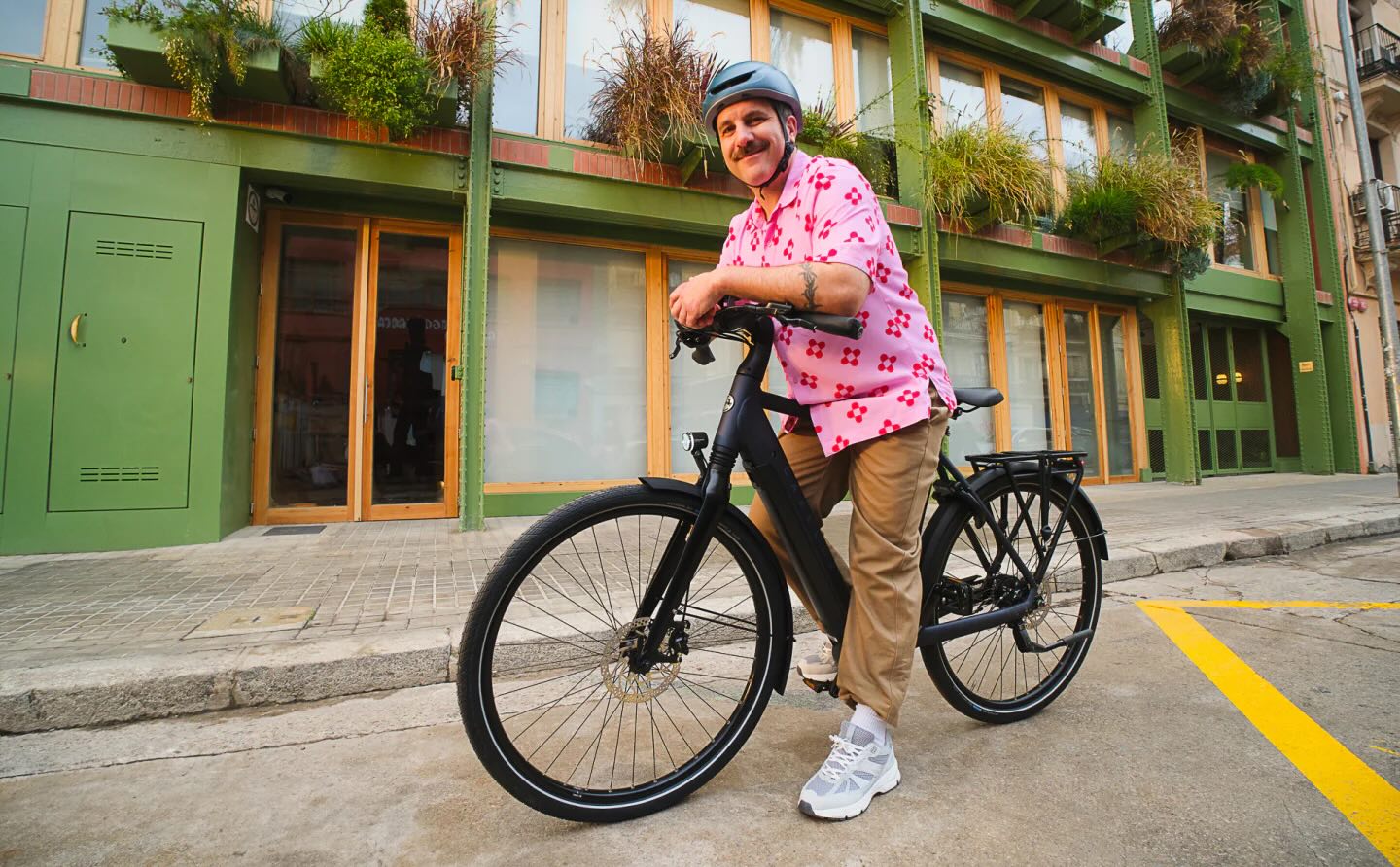
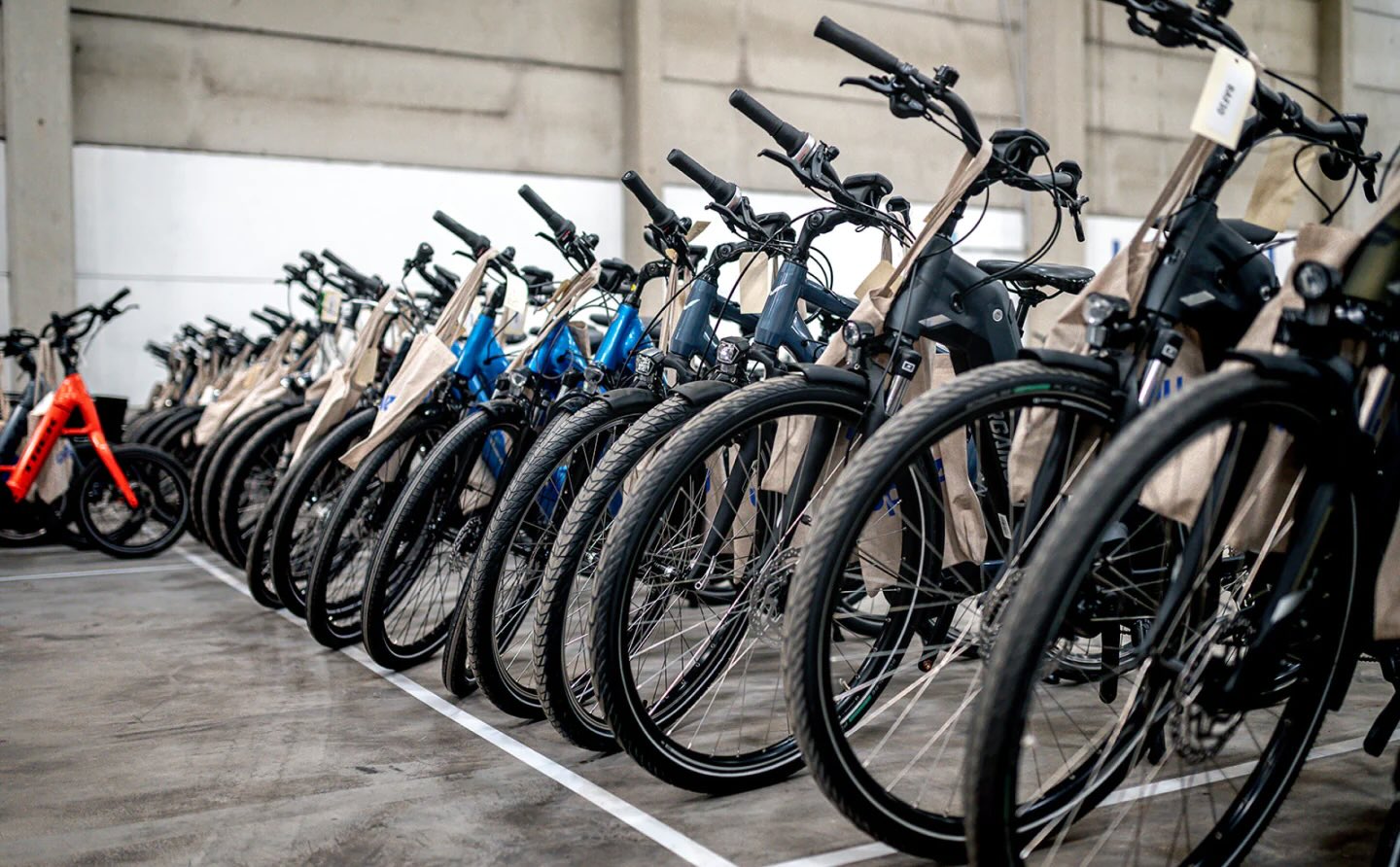
💡Upway makes it easy to find discounts of up to 60% on premium e-bike brands



|
What's the most you'd pay per month to put solar panels on your roof if there was no down payment?
Click your choice to see results and speak your mind. |
 $200 or more 💰
 "I think about that every day," he told the AP. "The biggest concern is my children."
The case underscores how corporate energy decisions can ripple outward, shaping food production, food prices, and the stability of rural communities.
What's being done about it?
Kepco has pledged to cut pollution 40% by 2030, but renewable energy made up just 10.5% of South Korea's energy mix in 2024, according to government data.
Similar accountability efforts are unfolding elsewhere, including lawsuits against utility companies in the U.S. and Japan, as communities push back against what they say are irresponsible or misleading energy practices.
For individuals, understanding how companies frame — or sometimes obscure — their environmental impact can be a meaningful first step.

Get TCD's free newsletters for easy tips to save more, waste less, and make smarter choices — and earn up to $5,000 toward clean upgrades in TCD's exclusive Rewards Club.
Cool Picks





