


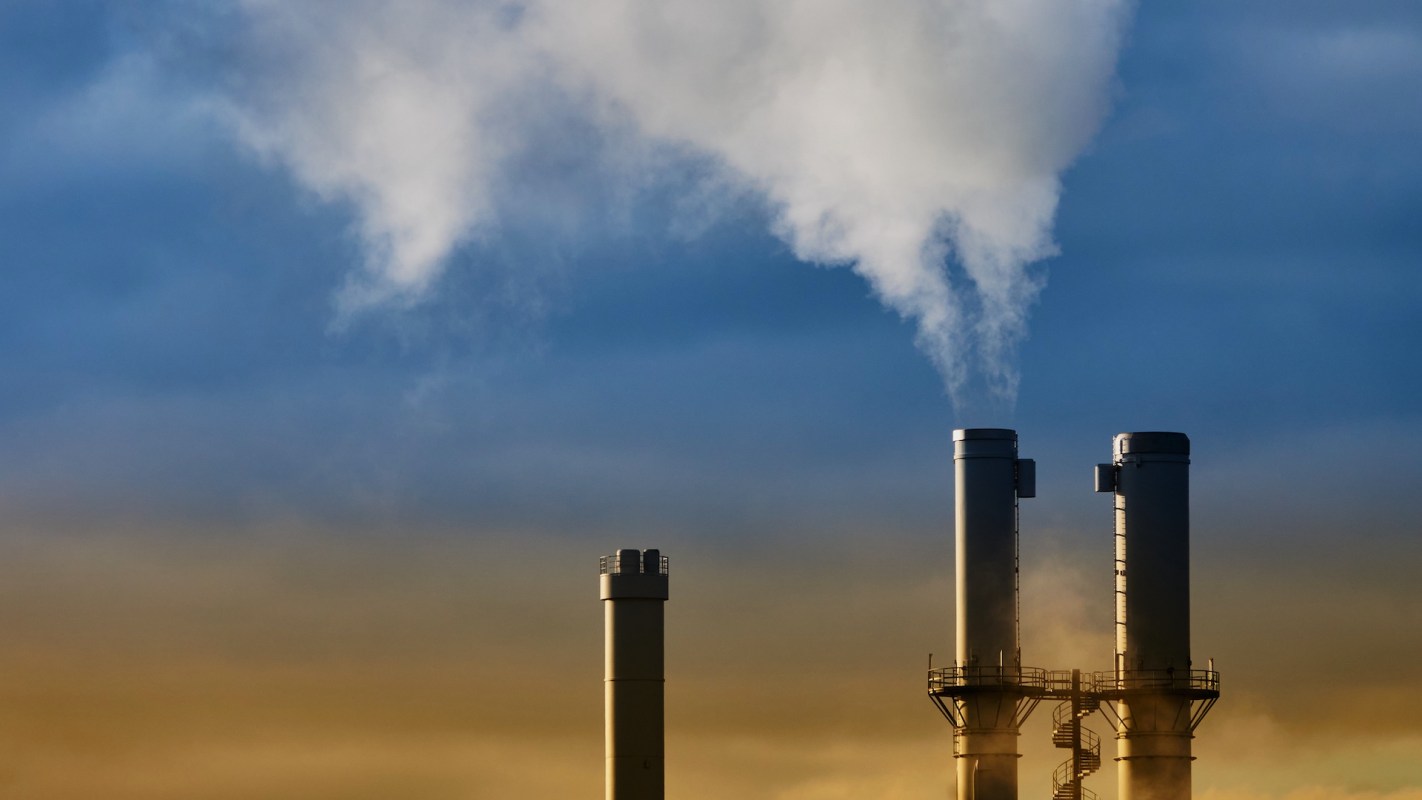
Communities living near trash incinerators are again turning to the courts after the U.S. Environmental Protection Agency finalized air pollution standards that advocates say still leave families exposed to dangerous emissions.
A coalition of environmental groups has sued over the federal rule, arguing that the weaker-than-expected limits will continue harming people in Newark and other communities across New Jersey, the Hudson Valley, and Long Island.
What's happening?
According to Gothamist, Earthjustice and Environmental Integrity Project filed suit seeking federal appeals court review of the EPA's updated standards for municipal solid waste incinerators.
The EPA finalized the new rule in March. As Gothamist reported, the standards are tighter than the previous version, but advocates say they still fall short of the stronger limits the agency had initially proposed.
"These incinerators are burning garbage and releasing poisons that cause cancer and can harm children's development," Earthjustice attorney Jonathan Smith said in a statement.
The challenge centers on facilities such as Reworld Essex in Newark's Ironbound neighborhood, which burns close to 1 million tons of trash annually.
TCD Picks » Quince Spotlight
💡These best-sellers from Quince deliver affordable, sustainable luxury for all




The plant receives waste from New York City and about two dozen New Jersey communities, and the company says it produces 66 megawatts of electricity, enough to power about 40,000 homes.
Advocates say that comes with an unacceptable public health cost.
Alejandra Torres, the Ironbound Community Corporation's assistant director of advocacy and organizing, said that the Newark incinerator ranks second in New Jersey for emissions of arsenic, hydrogen chloride, mercury, and nitrogen oxide.
Residents have long reported foul odors and breathing problems in a neighborhood already surrounded by heavy industry, truck traffic, power plants, and flight paths from Newark Airport.
Trash burning remains central to the region's waste system.
Data tracked by the Brooklyn and Manhattan Solid Waste Advisory Boards shows about one-third of New York City's residential trash in 2024 was burned in incinerators. The same report said all of Manhattan's residential trash went to incinerators that year, with 66% burned at Newark's facility.
The EPA declined to comment because of the litigation, according to Gothamist.
Why is trash incinerator pollution concerning?
For families living near these plants, this is not just a regulatory dispute. It is about the air they breathe every day.
Incinerators can release dangerous pollutants linked to cancer risk, developmental harm, and respiratory illness.
In Newark's Ironbound, those emissions add to pollution from nearby factories, a sewage treatment plant, diesel truck traffic, and airport activity, deepening the burden on a community that has already carried more than its share.
Nitrogen oxide is especially concerning because it contributes to smog, which can worsen asthma and other lung problems.
As rising temperatures make hot days more intense, poor air quality can become even more dangerous for children, older adults, and people with underlying health conditions.
Advocates also say continued reliance on incinerators can slow the shift to cleaner waste systems built around reducing trash, reusing materials, composting food scraps, and improving recycling.
Even when operators describe these plants as a way to avoid landfill methane and generate electricity, critics argue that burning waste keeps communities tied to polluting infrastructure instead of moving toward healthier, more sustainable alternatives.
That is why the fight over federal standards matters so much. If the rules remain too weak, frontline neighborhoods may continue paying with their health while the region delays better long-term solutions.
What's being done about trash incinerator pollution?
The groups behind the case want the court to require stronger pollution limits that they say are achievable with modern controls and required under the Clean Air Act.
Local organizing has also been central to the fight. Newark's Ironbound Community Corporation has been battling the Essex incinerator for decades, from efforts to stop it from being built to pushes to close it. That sustained pressure has helped keep attention on neighborhoods often treated as sacrifice zones.
Beyond the courtroom, advocates say cities and states can reduce the need for incineration by cutting the amount of trash generated in the first place. That includes expanding composting, reducing single-use packaging, improving recycling systems, and investing in waste-reduction programs that keep materials out of both landfills and burners.
Policies that move communities toward cleaner waste systems can help protect public health while building a better future for everyone, especially the people currently living closest to the smoke.

Get TCD's free newsletters for easy tips, smart advice, and a chance to earn $5,000 toward home upgrades. To see more stories like this one, change your Google preferences here.






