


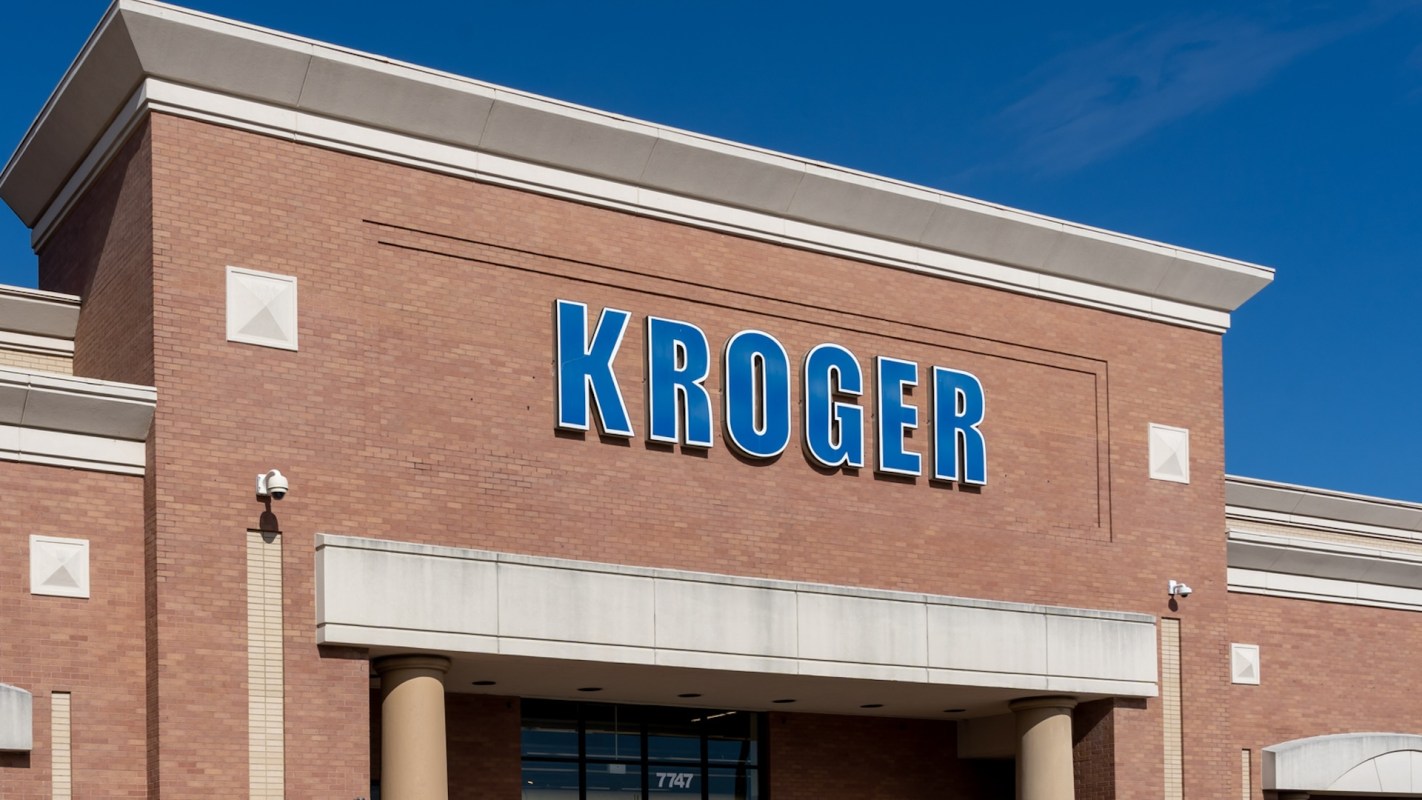
In 2018, Kroger publicly pledged to phase out single-use plastic bags by 2025. As reported by The Louisville Courier Journal, the promise was framed as part of the company's Zero Hunger Zero Waste initiative, which Kroger said was meant to reduce plastic pollution. Eight years later, plastic bags are still widely available at many Kroger stores.
What's happening?
Kroger has quietly extended the timeline for getting rid of plastic bags without announcing a new target date.
In an internal document shared in the report, Kroger said it originally aimed to meet the goal by 2025 but cited COVID-19-related delays, customer feedback from pilot programs, cost concerns, and slow legislative momentum as reasons for the disruption.
Per Kroger's document, the company is committed to reducing plastic bag use over time rather than setting a fixed deadline.
Why is the lack of momentum concerning?
Kroger has faced similar criticism over other environmental commitments tied to its Zero Hunger Zero Waste initiative. For example, a Kroger employee posted a photo of large amounts of food waste from one of the stores. Others have implied the program is ineffective and that the company is overstating progress.
Whether or not intentions have been sincere, the effect in a situation like this could be labeled greenwashing, where companies promote environmental goals without dedicating sufficient resources or effort to realize them.
Plus, single-use plastics are widely linked to environmental damage. Microplastics enter our waterways and ecosystems while effectively putting both wildlife and humans at risk for long-term health problems. The continued use of plastic bags costs us more in the long run.
What's being done about the plastic bags?
Stores in many states have transitioned to paper bags, typically at a nominal cost of about 5 cents apiece to encourage customers to bring reusable bags that would further cut down on waste. Even when paper bags are used, though, they are easier to recycle, and they are biodegradable, without anywhere near as much risk of causing an animal's death or just ending up as unsightly litter.
Retailers, including Walmart, Sobeys, and Metro, have piloted reusable container programs that allow shoppers to return the containers to be cleaned and reused for the next customer.
Kroger said in a statement to the Courier Journal that it plans to continue working with industry partners to reduce plastic waste over time. Although there are Kroger-operated stores that have gotten rid of plastic bags, such as to comply with local laws, many still have yet to make the switch, like in Kentucky.
TCD Picks » Quince Spotlight
💡These best-sellers from Quince deliver affordable, sustainable luxury for all




|
Do you think America has a plastic waste problem? Click your choice to see results and speak your mind. |
 Definitely 👍
 "No stores in Kentucky are participating at this time," a Kroger spokesperson told the Courier Journal.
A document provided to the outlet gave a fuller perspective on the delay, seemingly aiming to deflect responsibility to a slowdown in plastic-related laws it would not have to comply with, along with a misleading characterization of paper bags having a "high cost" to the planet, without consideration of plastic bags' higher cost.
"We originally aimed to achieve our bag-reduction goal in 2025; however, due to our current rate of progress, the high cost of all-paper bags to both our business and the planet, our customers' feedback from multiple pilots across the country, and an anticipated slowdown in legislative action, we are extending our timeline for phasing out single-use plastic bags," the statement said.
For shoppers, learning to shop more efficiently can help reduce the environmental pressures from longstanding excessive plastic use.

Get TCD's free newsletters for easy tips to save more, waste less, and make smarter choices — and earn up to $5,000 toward clean upgrades in TCD's exclusive Rewards Club.
Cool Picks





