


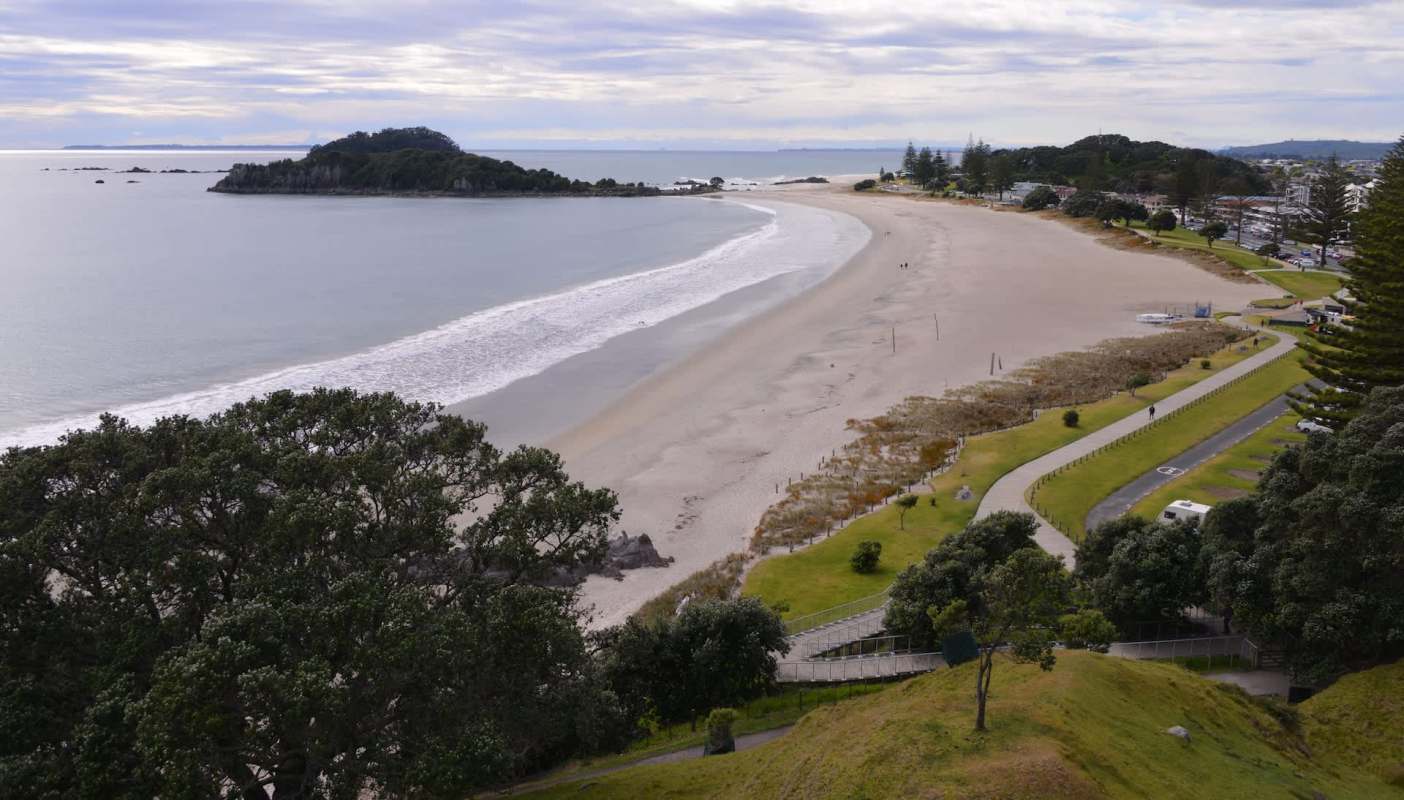
A kayaker called for help after she spotted oil spilling from an overturned yacht on the water in New Zealand.
According to SunLive, Claire Rogers said she noticed a strong fuel smell while kayaking through the Te Puna Estuary. She reportedly spotted a partially submerged vessel on its side and oil in the water, which prompted her to contact the Bay of Plenty Regional Council.
Officials found a small amount of engine oil on the surface of the water, per SunLive. They also determined the vessel was not a navigational hazard.
"The owner has been notified and is working to organize salvage," Jon Jon Peters, the Bay of Plenty harbormaster, told the publication. "Due to the small volume of oil, the environmental impact is minimal."
Peters said the response teams placed absorbent booms inside the cabin to remove the oil.
According to the National Oceanic and Atmospheric Administration, methods for cleaning up ocean oil spills have evolved over time, particularly since the 2010 Deepwater Horizon oil spill.
While large oil spills garner attention in the media, smaller-scale spills can also have a significant environmental impact because they happen more frequently. One study found that serious chemical changes can occur the longer oil lingers in water.
The NOAA noted that responders use techniques like dispersion, burning, and skimming to remove oil from the surface. Booms, like the ones used in the Te Puna Estuary spill, are long barriers used to contain or stop the spread of oil.
About 706 million gallons of waste oil enter the ocean each year, per FutureBridge. Depending on the location of the oil spill, thousands of animals and plants can be harmed or killed.
There has been considerable progress made in reducing oil spills over the last few decades. In the 1970s, there was an average of 78.8 oil spills per year, according to data published in the journal Environmental Science and Pollution Research. In the 2010s, the average was down to 6.2 spills per year.
TCD Picks » Quince Spotlight
💡These best-sellers from Quince deliver affordable, sustainable luxury for all




Per the NOAA, boat owners can reduce their chances of an oil spill with proper vessel maintenance. Local experts may be able to help with a disaster preparedness plan, too.
|
What's the most you'd pay per month to put solar panels on your roof if there was no down payment?
Click your choice to see results and speak your mind. |
 $200 or more 💰
Get TCD's free newsletters for easy tips to save more, waste less, and make smarter choices — and earn up to $5,000 toward clean upgrades in TCD's exclusive Rewards Club.
Cool Picks




