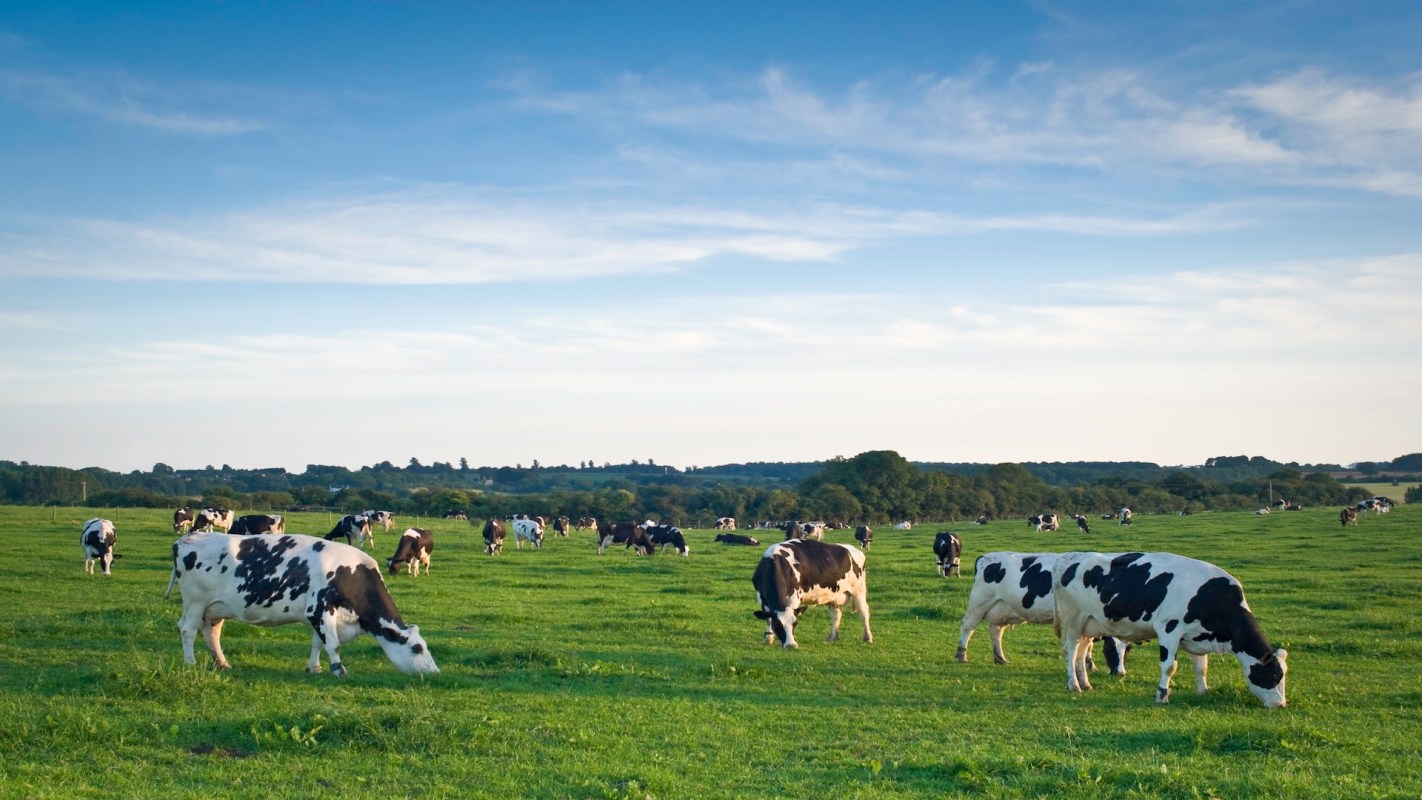
More Iowa farmers can now get paid to turn hard-to-work cropland into pasture, a shift officials say could help keep soil and nutrients out of waterways while putting unproductive acres to better use.
The expanded effort now reaches nearly 30 counties, tying farm conservation more directly to the cost of cleaning up drinking water downstream.
Here's what to know
The state is widening access to its Cattle and Conservation Working Lands Program, which helps producers turn marginal acres into pasture and shares the cost of items such as fencing and livestock water systems. The Iowa Capital Dispatch reported that the land targeted by the program is often a poor match for row crops because it may be steep, dry, or marked by rough soil.
Since launching in 2016 in eight counties in southwest Iowa, the program has helped turn 16,000-plus acres of low-producing cropland into pasture, the Dispatch reported. The latest expansion builds on that earlier effort.
With money from Iowa's farm to faucet program, eligibility is now open to producers across 28 counties, including many in the Greater Des Moines Watershed.
Iowa Secretary of Agriculture Mike Naig described the program as a practical way to support both farmers and conservation goals.
TCD Picks » Quince Spotlight
💡These best-sellers from Quince deliver affordable, sustainable luxury for all




"The Cattle and Conservation Working Lands Program is truly a win-win, balancing productivity while improving Iowa's water quality and soil health," Naig said.
More background
Even acreage that performs poorly for row crops can still send large amounts of soil and nutrients off the land. The Iowa Department of Agriculture and Land Stewardship says pasture generally does a better job of keeping both in place.
That matters in the Greater Des Moines area, where nutrient pollution in rivers and streams can require treatment before water is safe to drink. Those added costs can reach households through water bills along with pollutants that make it through the treatment process.
Rather than removing lands from production entirely, the program looks to keep them in use as "working lands." Underperforming acres are redirected into grazing for cattle and other livestock, which could offer a better use for ground that was difficult to farm.
According to the Dispatch, farmers in the program have said the assistance made projects possible that they otherwise would not have been able to afford.
What's being done?
What began in eight counties now extends to a much larger set of counties linked to Des Moines-area watershed protection efforts.
The rollout is being paid for through the Hawkeye State's farm to faucet program, which combines conservation incentives with water-treatment upgrades.
The Dispatch also reported that state officials are adding two program coordinators to help reach more cattle producers.
Naig has said the model could inform future changes to the federal Conservation Reserve Program by showing how conservation and agricultural production can work together.
"By converting underperforming cropland into grazing land for cattle and other livestock, we can put every acre to its best use and keep working lands working," Naig said.

Get TCD's free newsletters for easy tips, smart advice, and a chance to earn $5,000 toward home upgrades. To see more stories like this one, change your Google preferences here.