


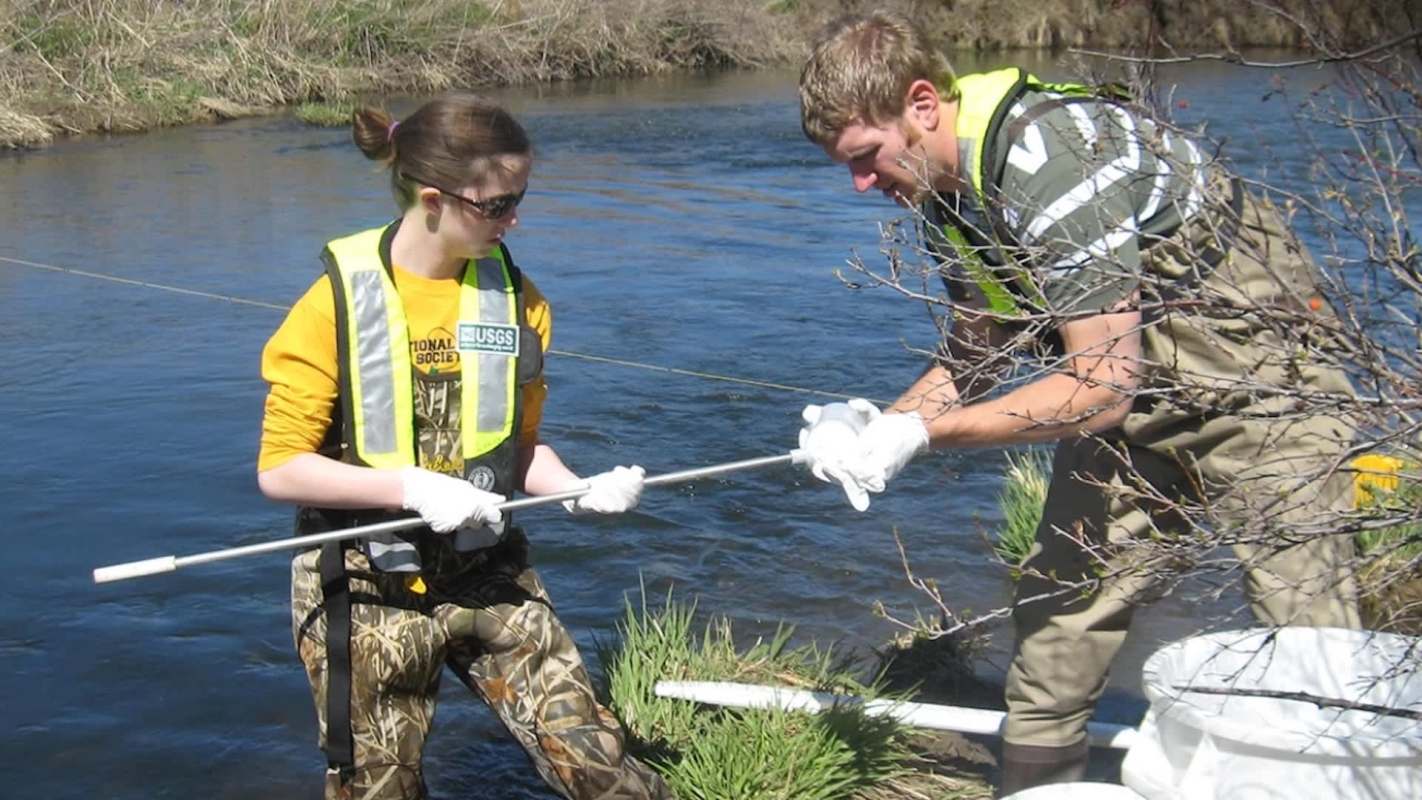
Heavily farmed parts of the Midwest are among the places where a federal study found some of the most troubling pesticide patterns in U.S. streams, with contamination regularly reaching levels that may injure aquatic life.
What's happening?
At most locations, the decadelong USGS survey found at least one chemical at levels that may injure aquatic plants or stream invertebrates such as stoneflies and mayflies, as reported by KCUR.
To build that record, scientists sampled 81 stream sites from 2013 to 2022 and tested for 80 chemicals.
About two-thirds of the sites exceeded both acute and chronic thresholds, and 19 pesticides exceeded U.S. Environmental Protection Agency benchmarks. Acute exposure refers to more immediate damage, while chronic exposure refers to lower concentrations that persist over time.
The network repeatedly flagged atrazine, metolachlor, and imidacloprid. Of those, atrazine was detected at acute levels at most sites, while imidacloprid most often appeared at chronic levels.
Meg Shoda, a hydrologist with the U.S. Geological Survey in Cleveland and the study's lead author, told KCUR the patterns align with what scientists already know about runoff from intensive agriculture: "A lot of agriculture happens in this basin."
TCD Picks » Quince Spotlight
💡These best-sellers from Quince deliver affordable, sustainable luxury for all




Why does it matter?
Damage to the smallest parts of a stream ecosystem can spread widely. Because human well-being is tied to healthy waterways, pesticides that harm aquatic plants and insects can ripple through the food web, reduce oxygen in the water, alter habitat, and weaken fish and bird populations.
Sydney Evans, a senior science analyst at the Environmental Working Group, said, per KCUR: "Atrazine has been used for a really, really long time. It's a hormone disruptor, which is why we're concerned about it."
Samples from more than 2,000 water utilities serving 40 million people have contained atrazine, according to the Environmental Working Group's Tap Water Database.
While research on human health impacts is still developing, some studies have linked exposure to birth defects or developmental concerns, and the herbicide has already become one of the most common contaminants in U.S. surface water.
What's being done?
Shoda described the USGS effort as "the largest consistently monitored nationwide network," but said routine testing can miss pollution surges triggered by rain.
For that reason, she warned, per KCUR, "This sampling at this rate is likely underestimating real conditions."
Public health advocates are also calling for broader oversight. The Environmental Working Group is pushing for more drinking water testing for imidacloprid, which the EPA has not yet added to its limited list of unregulated chemicals monitored in public water systems.
Researchers also want to better understand how multiple pesticides interact in real waterways, since stream life is rarely exposed to just one chemical at a time.
Debbie Baker, a researcher at the Kansas Biological Survey & Center for Ecological Research, put it this way: "It's really important to see the community."
Shoda said one unanswered question still hangs over polluted streams: "What's the toxicity of that?"

Get TCD's free newsletters for easy tips, smart advice, and a chance to earn $5,000 toward home upgrades. To see more stories like this one, change your Google preferences here.






