


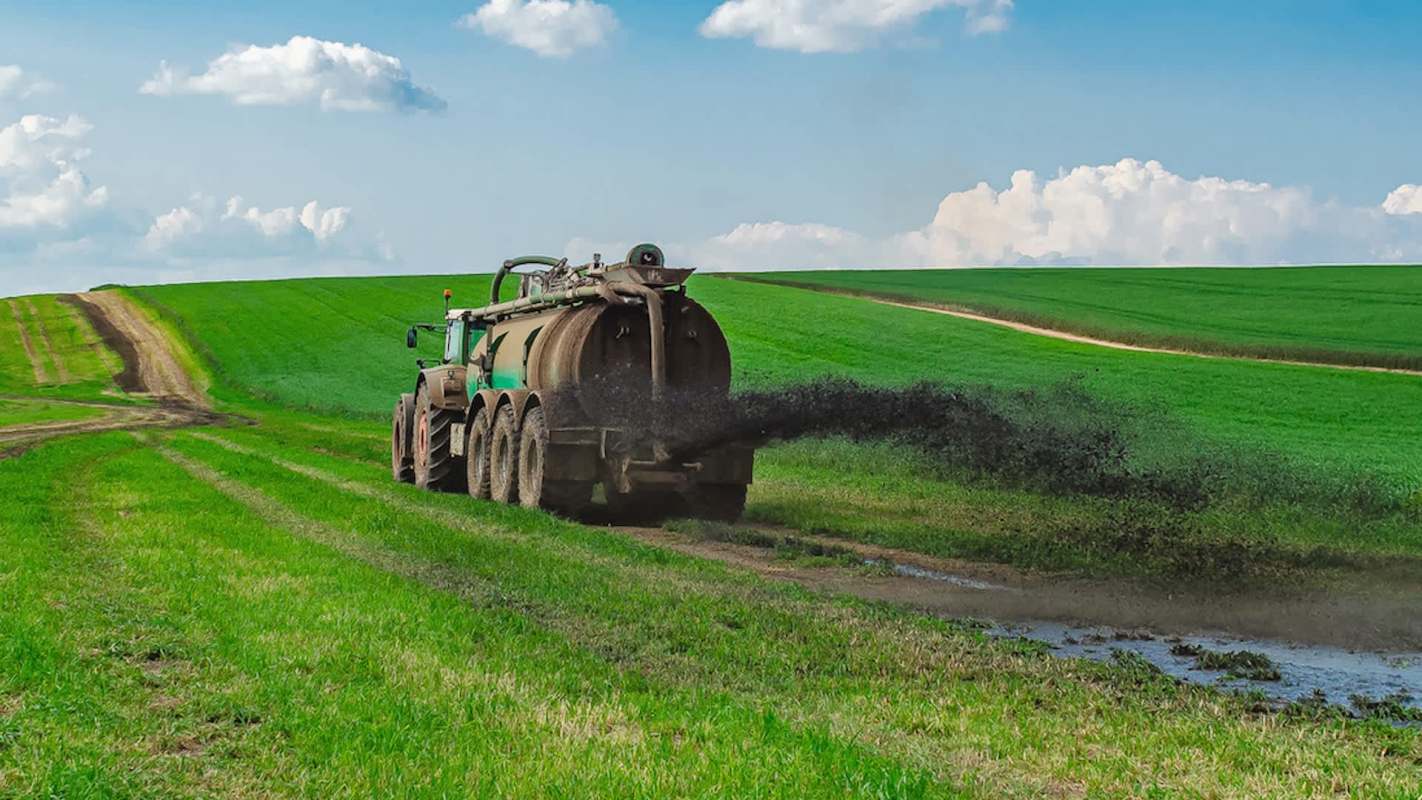
Three Iowa farmers are sparking conversations online, arguing that voluntary efforts to curb fertilizer runoff and promote conservation practices have not produced nearly enough progress.
James Hepp said that after 13 years without broader change, regulation may now be the only remaining option for making a real difference.
What happened?
One of those farmers is James Hepp, a 36-year-old grower from northern Iowa. He is part of the "Lobe Rangers," a three-member group of corn and soybean farmers — alongside Matthew Bormann and Zack Smith — who use Facebook videos to push for stronger action on agricultural pollution and water quality issues.
As Inside Climate News reported, the group's posts have spread across Iowa as concern grows over polluted waterways and drinking water. In one of his most direct arguments, Hepp says Iowa farmers have spent more than a decade being encouraged by state agencies and agricultural groups to voluntarily adopt conservation practices under the Nutrient Reduction Strategy — yet nitrogen and phosphorus runoff continues to pollute waterways.
"If you're not doing it now, I don't know what's going to make you do it besides regulation," Hepp told Inside Climate News.
The farmers say their own operations show conservation can work on a large scale. Hepp uses minimal tillage and does not apply nitrogen outside the growing season. The group has also pushed measures such as reducing fall fertilizer use and expanding practices like cover crops.
TCD Picks » Quince Spotlight
💡These best-sellers from Quince deliver affordable, sustainable luxury for all




Why does it matter?
Nitrogen and phosphorus runoff can fuel algal blooms, raise nitrate levels in drinking water, and make rivers and lakes less safe for fishing, swimming, and other everyday uses that communities rely on.
Participation in Iowa's nutrient reduction strategy, launched in 2013, is voluntary, and adoption still falls far short of what the state says is needed. Inside Climate News reported that Iowa estimated roughly 60% of cropland would need cover crops to meet its water-quality target, yet only about 17% of corn and soy acres had them last year.
That also leaves taxpayers and local communities paying for costly treatment infrastructure instead of addressing pollution closer to its source.
The three farmers are presenting themselves as practical voices advocating for money and water-saving farming practices, not activists.
Bormann put it this way: "We're not tree huggers. We're … farmers and, you know, we're actually doing it. We're actually doing it to scale."
Zack Smith emphasized what he believes residents want most: "People want clean water. If that's the case, we need to have policy that gives us a mathematical chance of that happening."
And Chris Jones, a Democrat running for state secretary of agriculture who has amplified the group's videos, said: "From my perspective, it's not radical. It's common sense."

Get TCD's free newsletters for easy tips, smart advice, and a chance to earn $5,000 toward home upgrades. To see more stories like this one, change your Google preferences here.






