


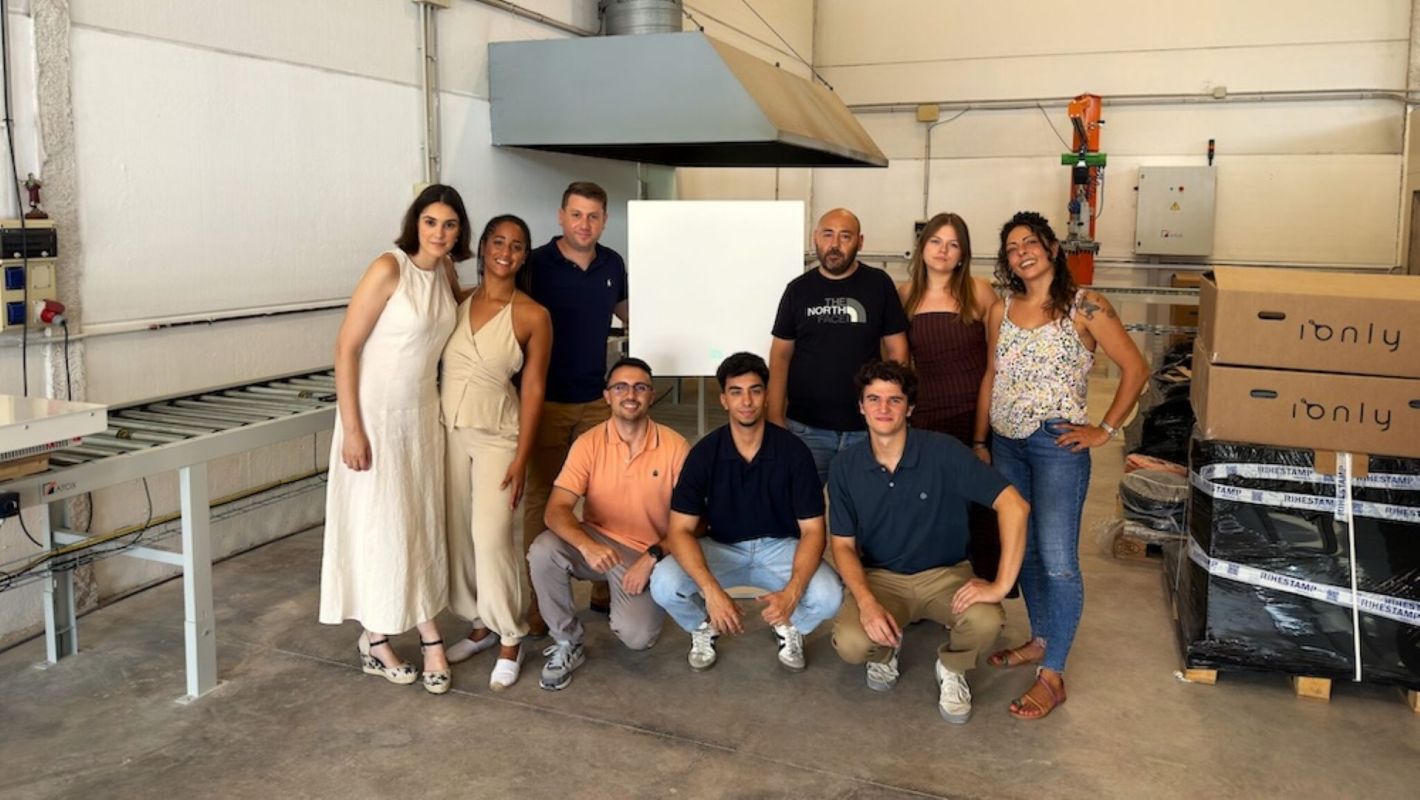
Spanish battery manufacturer Ionly has started serial production of lithium iron phosphate, or LFP, residential batteries in Valencia using a new semi-automated line that could move home energy storage from small-batch builds to a more scalable industry.
What happened?
As PV Magazine España reported, the line was designed and built entirely in Spain to raise output and improve how individual battery units are assembled, checked for quality, and tracked. Its launch also marked Ionly's shift from hand-built prototypes to semi-automated manufacturing.
At its Rafelbunyol facility, Ionly assembles battery cells into storage systems. The company says it keeps that production work in-house while sourcing items such as chassis, wiring, and plastic parts from nearby suppliers.
Previously, Ionly had an annual manufacturing capacity of 20 megawatt-hours, according to ESS News. That number could increase to 100 megawatt-hours as more automation is added.
Ionly introduced its 5 kilowatt-hour XYZ residential battery in 2025, and it said up to 90% of the product's value comes from European Union-based in-house assembly, European components, and a localized supply chain.
Why does it matter?
Home batteries can help households save solar energy for nighttime, reduce exposure to high power prices, and provide backup when the grid goes down during storms or because of other disruptions.
TCD Picks » Quince Spotlight
💡These best-sellers from Quince deliver affordable, sustainable luxury for all




For cities and utilities, batteries can make energy available when the sun is not shining and reduce strain during peak-use periods, particularly when paired with large-scale solar systems.
The manufacturing expansion also reflects a regulatory effort behind the scenes, supporting a strong regional supply chain that could improve reliability for customers.
Ionly said it spent over 18 months updating its products to comply with EU Battery Regulation 2023/1542, including requirements tied to sustainability, traceability, reparability, and circular economy goals, per ESS News.
What happens next?
Beyond home batteries, Ionly is developing a commercial and industrial storage system that starts at 50 kilowatt-hours and can scale to 800 kilowatt-hours, providing another solution to businesses that want more control over their energy use, ESS News reported.
Ionly also plans to introduce a 409.6-volt, 43.2 kilowatt-hour battery system and add storage products for small and medium businesses and photovoltaic plants.
Its commercial-industrial system will be available with new LFP cells or repurposed automotive cells, creating another way to keep battery materials in use.
By 2028, the company's roadmap calls for a utility-scale storage product in a 20-foot container. That would broaden its portfolio into larger grid-support applications.

Get TCD's free newsletters for easy tips, smart advice, and a chance to earn $5,000 toward home upgrades. To see more stories like this one, change your Google preferences here.






