


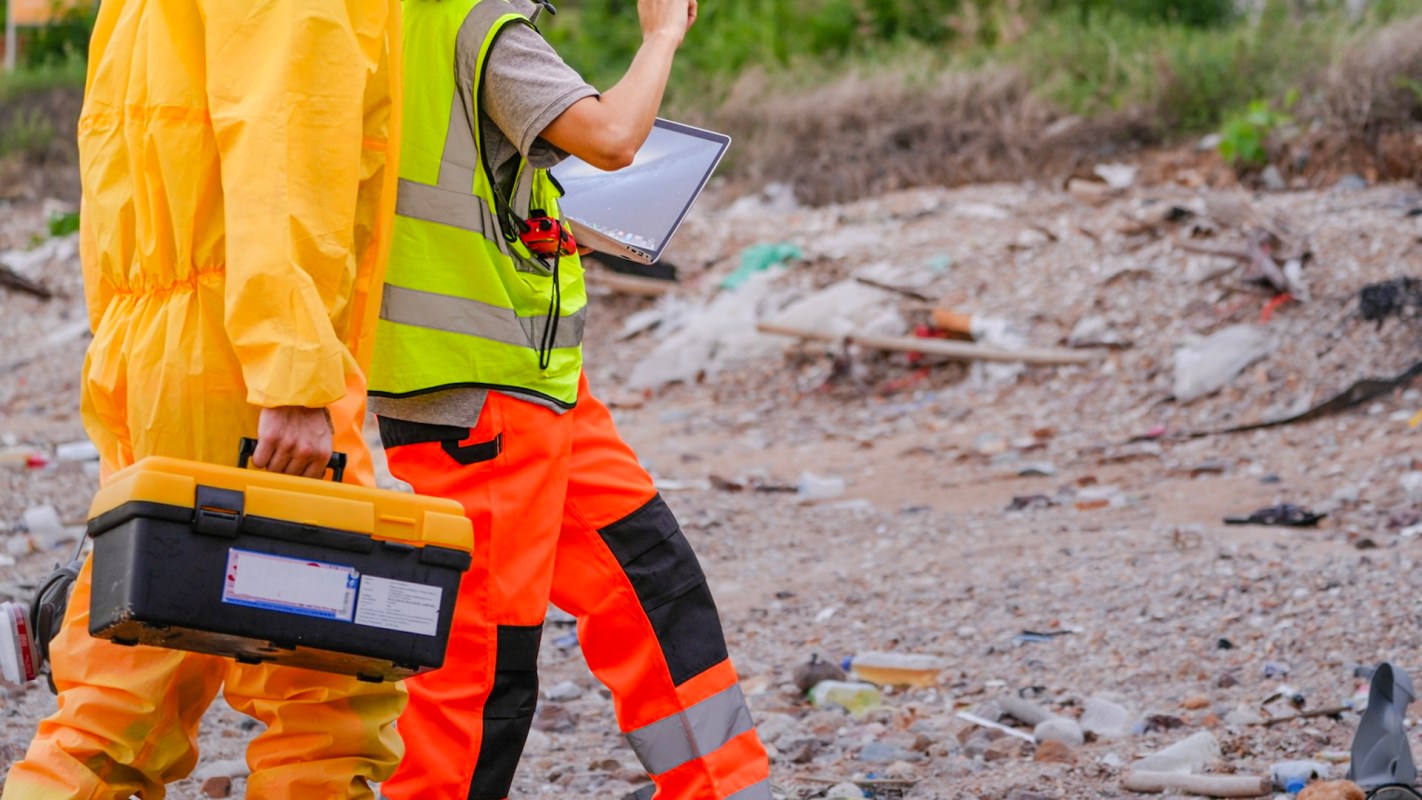
Officials in Indonesia noted significant strides in the removal of radioactive waste. Antara reported that the country's Cesium-137 Task Force successfully removed 975 tons of radioactive waste.
Located in Banten Province, the removal area is an industrial zone that had Cesium-137 contamination.
Cesium-137 is a byproduct of nuclear fission that can emit radiation. While certain medical and industrial treatments can use Cesium-137, it can be destructive when it's released into the atmosphere. Since it's highly volatile and can spread easily, it's considered a dangerous environmental and public health hazard.
However, thanks to the task force's decontamination strategy, the Nuclear Energy Regulatory Agency and the National Research and Innovation Agency have deemed some "Red Zones" as safe. Now that the majority of the radioactive waste has been removed, some of the area's operations have resumed. Places that are still in progress are either being cemented or otherwise contained.
"We will continue monitoring to ensure long-term safety for surrounding communities," director of the agency's Nuclear Engineering and Preparedness Yudi Pramono told Antara.
When contained and used safely, nuclear energy serves as a clean source of energy. Unlike dirty energy sources, such as coal and oil, nuclear energy does not emit any harmful, planet-warming gases into the atmosphere. As a result, when harnessed properly, nuclear energy could generate significant amounts of low-carbon electricity, decreasing communities' reliance on the grid.
Though nuclear energy has these environmental benefits, there are still some risks. As the case in Banten Province shows, nuclear facilities can cause spills that result in severe contamination. There are also significant upfront costs associated with nuclear energy.
Looking ahead, however, nuclear energy is a key piece to the puzzle of clean energy. Harnessing nuclear energy alongside other clean energy sources, such as wind and solar power, can be a game changer in reducing reliance on dirty fuels and combating rising global temperatures.
|
Would you feel safe living close to a nuclear power plant? Click your choice to see results and speak your mind. |
 Absolutely ✅
Get TCD's free newsletters for easy tips to save more, waste less, and make smarter choices — and earn up to $5,000 toward clean upgrades in TCD's exclusive Rewards Club.
Cool Picks





