


As extreme heat spreads across much of the U.S., many households are preparing for more than physical discomfort. New survey data suggest some homeowners are being forced to balance health and comfort against the cost of running the air conditioning.
For some of them, that trade-off includes planning to get through hot nights without using the A/C to hold down electricity costs.
What's happening?
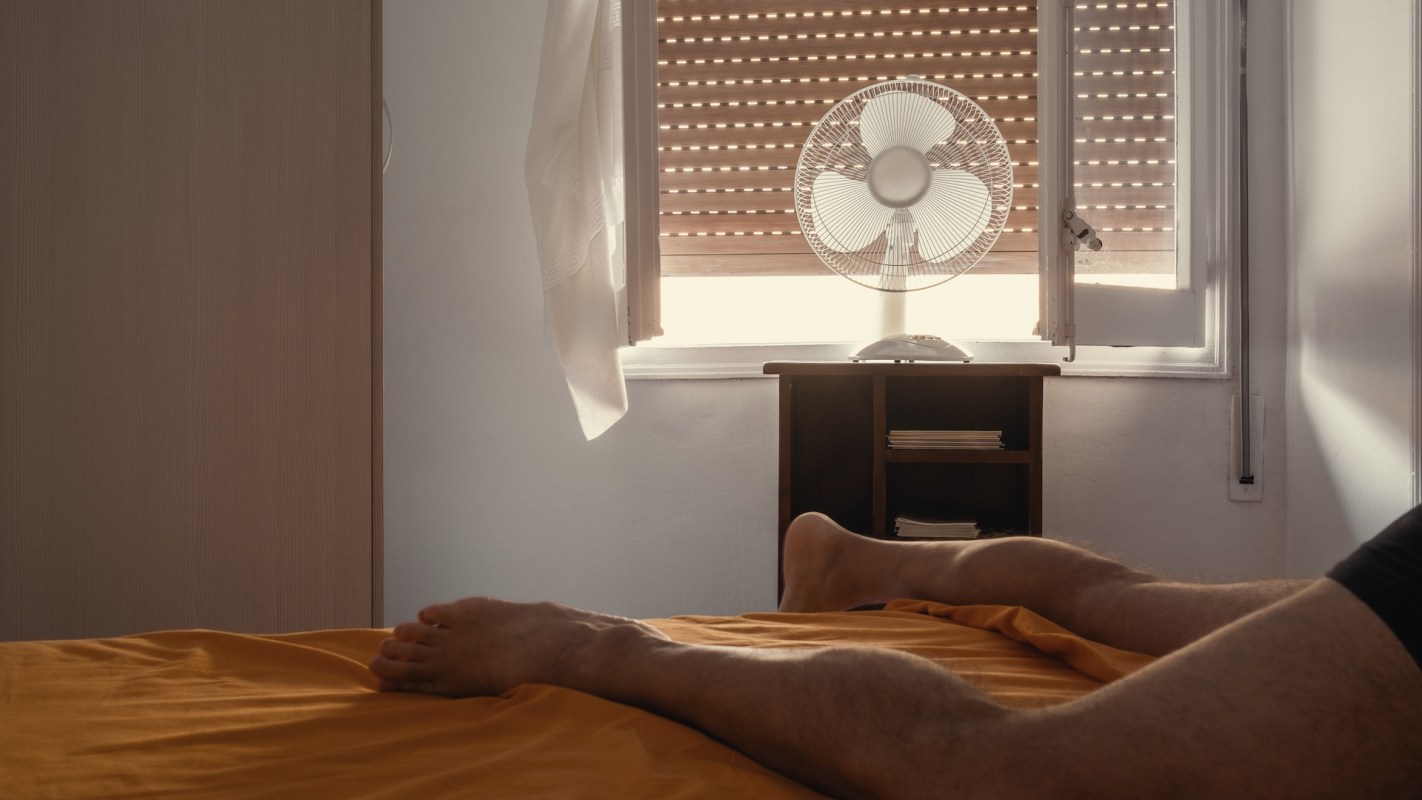
According to a new SupplyHouse survey covered by ACHR News, summer energy costs are creating financial stress for more than three-quarters of homeowners. Of the 1,000 people surveyed, 15% said they expect to sleep in uncomfortable heat this summer rather than run the A/C overnight.
The survey also found that three-quarters of respondents think their utility bills will be higher this summer than they were last year, with an expected monthly cost of $221. At the same time, 70% said they are uneasy about opening their summer energy bill.
Homeowners say they are already changing how they cool their homes to save money. ACHR News reported that 46% are using fans instead of A/C, 46% are setting the thermostat warmer than they would like, and 39% are delaying turning on the A/C for the season. Some are also avoiding ovens and other appliances that add heat, or closing off parts of the house so they don't have to cool every room.
Why does it matter?
For many families, the burden is significant. ACHR News reported that 35% of homeowners said cooling costs are a moderate or severe strain on household finances, while 48% said they would scale back dining out if their bills climb any higher.
TCD Picks » Quince Spotlight
💡These best-sellers from Quince deliver affordable, sustainable luxury for all




Cost concerns are also shaping repair decisions: 43% of survey respondents said they've delayed an HVAC repair because of the expense, and half said they either suspect a problem with their system or know they have one they are not addressing. That leaves households stuck with equipment that runs less efficiently, uses more energy, costs more to operate, and could fail during the hottest days of summer.
What can I do?
Simple steps such as sealing air leaks in your home, using blinds or curtains to block the afternoon sun, replacing dirty HVAC filters, and avoiding heat-producing appliances during the hottest part of the day can help reduce indoor temperatures and keep systems from working harder than necessary.
People dealing with an aging or struggling cooling system may also want to check for local utility assistance programs, weatherization support, or rebates for more efficient home upgrades. Even modest improvements can lower monthly bills and reduce the risk of a breakdown during a heat wave.
Taken together, the findings show how many Americans are making tradeoffs between comfort and cost, with 70% dreading their next bill and 15% expecting to sleep in uncomfortable heat.

Get TCD's free newsletters for easy tips, smart advice, and a chance to earn $5,000 toward home upgrades. To see more stories like this one, change your Google preferences here.






