


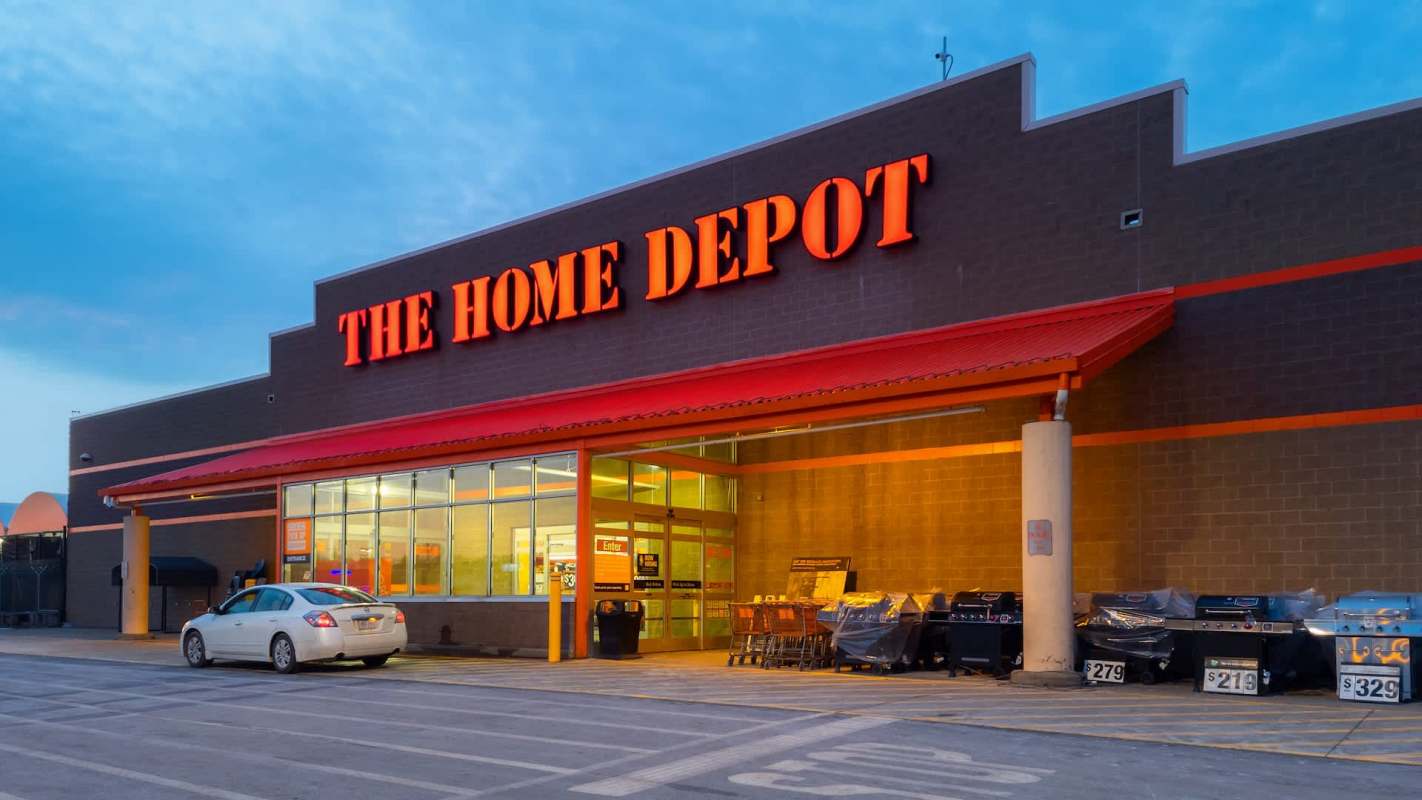
A shopper who tracks retail prices says Home Depot may be raising prices on some items just before major U.S. holidays, only to lower them again in time for advertised sales.
The allegation, posted on Reddit, quickly struck a chord with consumers who say retail pricing tactics can make ordinary prices appear to be limited-time deals. And they're not happy about it.
What's going on?
In a post shared to the r/Anticonsumption subreddit, the author said they had noticed "a huge pattern" of Home Depot prices climbing before holiday sales periods such as Memorial Day.
As an example, the original poster pointed to a Ring outdoor camera, showing that the item was listed at $59.99 on Aug. 30, 2025, and again on April 23, 2026, before moving up to $99.99 on April 27. By May 14, the price had allegedly returned to $59.99, while $99.99 was still shown as the original price.
The poster described the practice as "total scummy behavior" and said they were not sure whether the pricing shift came from Home Depot or from Ring's parent company, Amazon, though they argued both companies were "guilty" of similar tactics.
In the comments, other users said the alleged strategy sounded familiar.
TCD Picks » Quince Spotlight
💡These best-sellers from Quince deliver affordable, sustainable luxury for all




"Most if not all stores have been doing this since the '80s," one person wrote.
Another responded that even if the practice is widespread, that doesn't make it OK, adding that stronger consumer protections should be in place to prevent shoppers from being misled.
Why is deceptive holiday pricing a concern?
For shoppers, inflated "before" prices can make it much harder to tell whether a sale is actually a sale. A crossed-out number paired with a bold discount label can create urgency and pressure people to buy immediately instead of comparing prices or waiting.
That can be especially significant when household budgets are already tight. If someone believes they are saving $40 on a security camera when the item had been selling for that same lower price just weeks earlier, they may end up spending money they had not planned to spend.
Artificial sale pricing can also fuel overconsumption. When promotions are built around urgency rather than genuine savings, people may buy products they do not really need simply because the purchase feels like a bargain.
With electronics, there are broader consequences. More unnecessary purchases can mean more resources used, more packaging waste, more pollution from shipping, and eventually more e-waste.
In that sense, misleading pricing does more than affect individual budgets. It can reinforce a disposable shopping culture that is costly for consumers and damaging for the environment.
What can shoppers do?
One of the simplest ways to protect yourself is to check an item's price history before buying. Price-tracking tools can help show whether a "sale" price is actually a discount or just a regular price made to look special.
It can also help to decide ahead of time what you are willing to pay and stick to that number. As one commenter suggested, if an item is not at or below your target price, do not buy it. That kind of discipline can make it easier to resist marketing pressure during holiday sales.
And when it's possible, buying secondhand and repairing items you have are both great ways to save money and help the planet at the same time.

Get TCD's free newsletters for easy tips, smart advice, and a chance to earn $5,000 toward home upgrades. To see more stories like this one, change your Google preferences here.






