


As heat pump adoption grows rapidly amid rising electricity costs and greater efficiency demands, a new report by a coalition of state air agencies will make the transition even easier for homeowners.
As Canary Media reported, the interagency nonprofit Northeast States for Coordinated Air Use Management released a multistate action plan containing 50 strategies to accelerate heat pump deployment.
Since heat pumps are around 200%-400% more efficient than high-efficiency gas furnaces and three to five times more efficient than gas boilers, they will keep you warm while significantly reducing your electricity bills. Plus, they can also replace air conditioners so that you won't need two separate systems. Reliable brands like Mitsubishi make it easy to find the right installer and heat pump for your needs, such as an affordable mini-split system.
Through the Inflation Reduction Act, homeowners can claim a 30% tax credit (up to $2,000) on the project cost for qualified air-source heat pumps purchased and installed by Dec. 31. Ensure installations are completed by then, as the tax credit will expire. However, some households may still qualify for federal rebate programs even after the deadline has passed.
Seeking to reduce pollution from residential fossil-fuel-powered heating systems, nine states — including California, Colorado, and New York — signed a memorandum of understanding to signify their commitment to a healthy environment, with a focus on encouraging residents to switch to heat pumps.
As states work together toward zero-pollution residential buildings, they will need to double the heat pump market share over the next five years, and NESCAUM has provided some key tips to make that possible.
Some of these include launching programs and financial incentives to make heat pumps more affordable to lower-income and renter households, updating building codes to mandate high energy-efficiency standards, and adjusting electricity rates to "incentivize zero-emissions heating," as Canary Media explained.
For the average homeowner, heating costs can account for 35% to 50% of their annual electricity bills, making them the largest energy expense for most people. Upgrading your HVAC system to a heat pump is one of the easiest ways to save money on energy bills, with the Department of Energy reporting annual savings of between $300 and $1,500, depending on the climate you live in.
Save $10,000 on solar panels without even sharing your phone number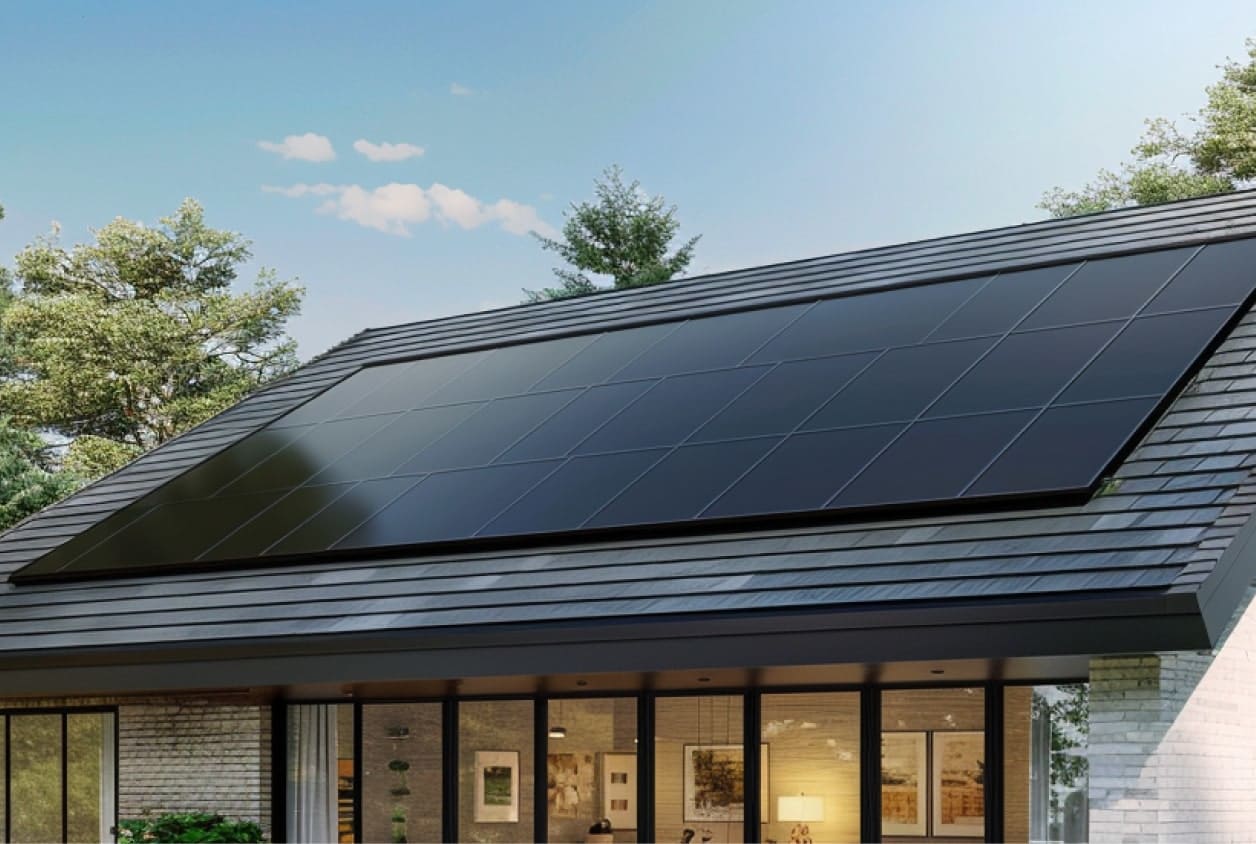 Want to go solar but not sure who to trust? EnergySage has your back with free and transparent quotes from fully vetted providers in your area. To get started, just answer a few questions about your home — no phone number required. Within a day or two, EnergySage will email you the best options for your needs, and their expert advisers can help you compare quotes and pick a winner. Solar panels can save you more than $50k over their 25-year lifespan, and EnergySage can help you save as much as $10k on installation. Which begs the question — isn't that worth an email or two? |

It can be challenging to find a qualified installer, but Mitsubishi can help you connect with trained professionals in your area through its trusted network and find an efficient system at a competitive price.
Emily Levin, policy and program director for NESCAUM, told Canary Media that each state will need to choose the best approach to ramp up heat pump adoption, but that one tactic would likely have the biggest impact.
"I see [heat-pump electricity] rates as one of the areas that's most promising," Levin said. "You're not raising costs on anybody; you're only reducing costs."
|
Which of these factors would most effectively motivate you to buy a heat pump? Click your choice to see results and speak your mind. |
 Lower energy bills 💰
Join our free newsletter for good news and useful tips, and don't miss this cool list of easy ways to help yourself while helping the planet.






