


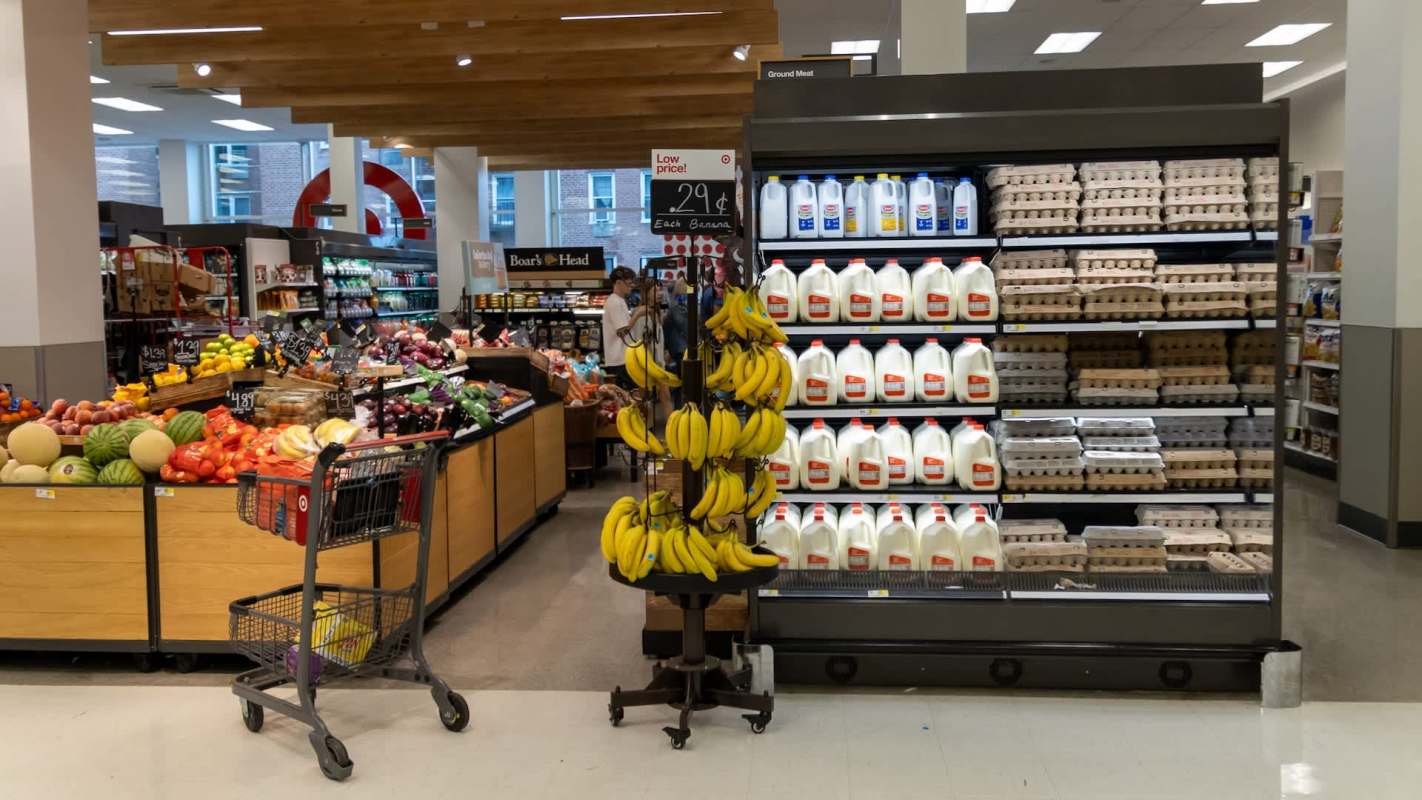
Researchers have identified a strategy to help grocery stores improve food waste reduction and significantly boost profits.
Small, consistent changes can yield massive results — a key theme of James Clear's "Atomic Habits" or the concept of "high-leverage activities" — and a study in the INFORMS journal Management Science echoed those themes.
Researchers examined various factors in the grocery retail environment, including consumer behavior, pricing, perishability, and merchandising (the manner in which products are displayed), to glean useful insights about factors that reduce food waste rates.
The authors identified items as "fresh batch" or "old batch" and factored in the replenishment cycle (stocking process), and simulated "thousands of retail scenarios."
Strategically arranging fresh and old-batch items and "discounting unsold old-batch units but making the fresh batch units more accessible to consumers" not only slashed food waste by over 21%, but it also boosted already razor-thin grocery profit margins by over 6%.
The researchers said the potential implications of their findings would benefit "retailers, consumers, and the environment at the same time."
Co-author Zumbul Atan observed that retailers might anticipate a choice between sustainability and profits, explaining that the study showed the opposite was true — sustainable decisions can boost food retailers' bottom lines and still "dramatically reduce waste."
Study author Amy Pan pointed out that the findings showed how seemingly minor operational changes can have a massive impact without burdening grocery shoppers.
"It's not about asking consumers to do more," Pan said. "It's about designing systems that work better for everyone."
Food waste is a multi-faceted problem with broad impacts. Households experience it as wasted food and money; retailers grapple with logistics and lost profits; and environmentally, it's a separate liability.
TCD Picks » Quince Spotlight
💡These best-sellers from Quince deliver affordable, sustainable luxury for all




|
Which of these savings plans for rooftop solar panels would be most appealing for you?
Click your choice to see results and speak your mind. |
 Save $1,000 this year 💸
 Department of Agriculture estimates have long pegged the rate of food waste in the United States at between 30% and 40%, and as the USDA noted, the problem isn't just that wasted food "could have helped feed families."
Land, water, labor, energy, and other resources are wasted at each link in the supply chain, resulting in food destined for landfills.
According to the Environmental Protection Agency, landfilled food waste creates nearly 60% of "fugitive emissions," a technical term for irregular, hard-to-track, planet-warming pollution.
Viewed as a whole, food waste is both incredibly destructive and difficult to tackle, but solutions outlined in the INFORMS study lay out ways to reduce the negative impacts.

Get TCD's free newsletters for easy tips to save more, waste less, and make smarter choices — and earn up to $5,000 toward clean upgrades in TCD's exclusive Rewards Club.
Cool Picks





