


Many shoppers are feeling the strain of higher grocery prices in checkout lines. Yet some of the items that ring up highest are often priced higher because they offer convenience.
According to The Takeout, this gives supermarkets a way to make money in a business where margins are often razor thin.
Here's what to know
The Takeout reported that items like bagged ice and bakery goods are some of the categories with the steepest markups. That stands out because grocery stores often run on net profits of only 1% to 3%, so certain items can play an outsized role in generating income.
One of the clearest examples is bottled water. The Takeout reported that a bottle selling for about $1 may cost only a little more than 2 cents to produce, which puts the markup at roughly 4,000%.
Shoppers keep buying it nonetheless.
People in the U.S. consumed 16.4 billion gallons of bottled water in 2024, producing $28.2 billion in revenue. Drinking it, however, means avoiding having to wash a reusable bottle and having peace of mind knowing you're drinking safe water.
TCD Picks » Quince Spotlight
💡These best-sellers from Quince deliver affordable, sustainable luxury for all




Bagged ice can be similarly profitable. According to The Takeout, a bag may cost around 25 cents to make but still sell for a few dollars at retail, or about a 700% markup. But when people suddenly need a large amount of ice, most cannot make or store enough of it at home in time.
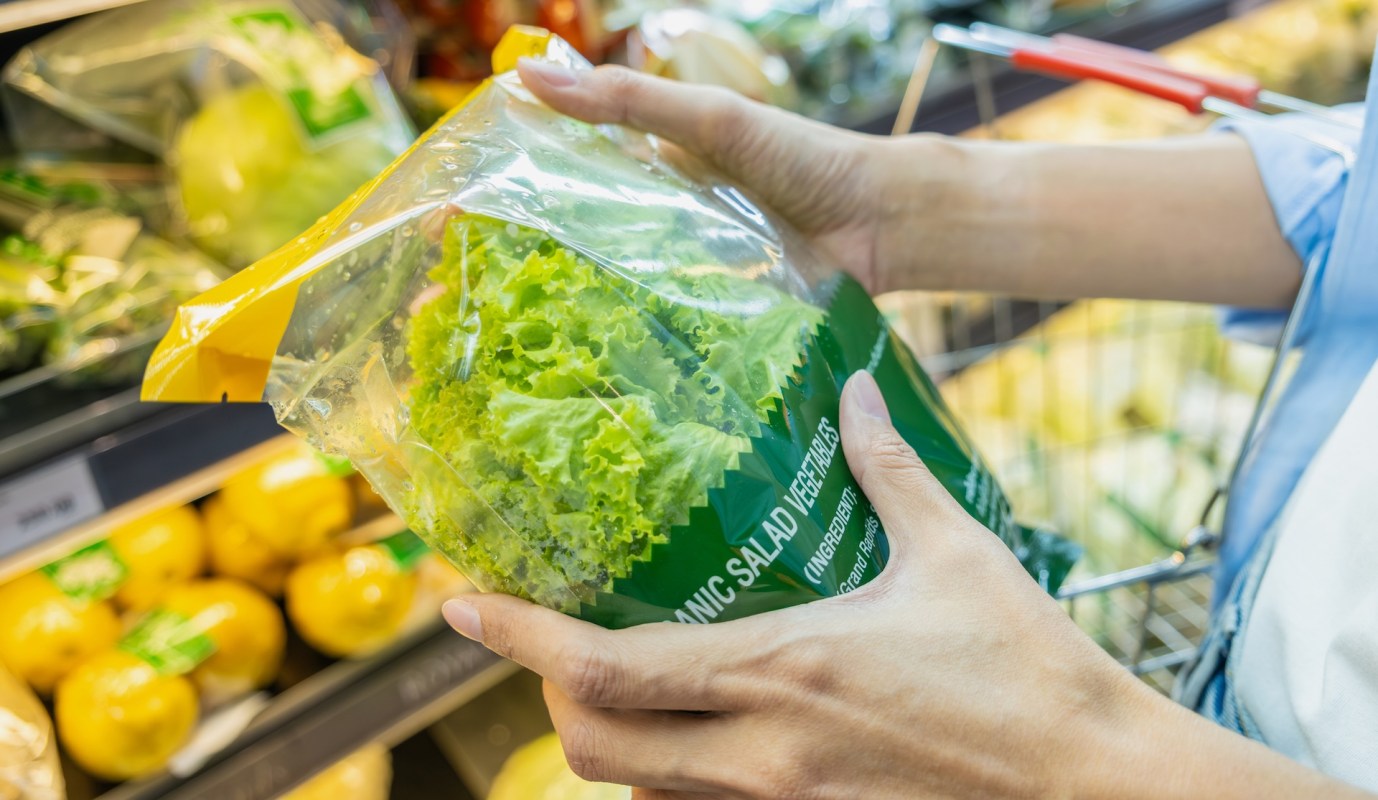
Prepared salads and bakery desserts fit the pattern too. Salad kits can cost more than four times as much as buying whole lettuce and preparing it at home. And baked goods may be priced at up to three times the cost of homemade versions.
More background
Customers are paying for the labor and packaging that go into and the convenience that comes out of these foods and beverages.
That tradeoff is especially visible with bagged salads and baked goods. Prewashed greens, toppings, dressing packets, and ready-to-eat desserts can save meaningful time, particularly at the end of a long day.
For families already trying to stretch a grocery budget, though, paying extra for convenience can mount quickly. And many households are already dealing with sharp increases for basics like tomatoes and beef.
Bottled water and heavily packaged convenience foods can create more plastic and other waste. While they create pollution, they can also help disabled people live their lives. But it's possible for other people to reduce their plastic use without banning it for people who do need it.
What can be done?
For shoppers trying to cut costs, these high-markup categories are often among the simplest places to make substitutions.
Using filtered tap water and a refillable bottle, for example, can lower costs significantly while reducing single-use plastic.
If buying bagged ice is a habit, making it at home ahead of time in batches using freezer bags can help avoid that premium. And as long as they don't rip and you wash them, you can reuse the freezer bags afterward.
As for the other items, it's possible for some people to make salads and baked goods at home, but cooking might not be accessible to everyone. If you have a neighbor or loved one who can't cook for whatever reason, try making something for them. Swapping your skills could help you both save money and bring you closer together.

Get TCD's free newsletters for easy tips, smart advice, and a chance to earn $5,000 toward home upgrades. To see more stories like this one, change your Google preferences here.






