


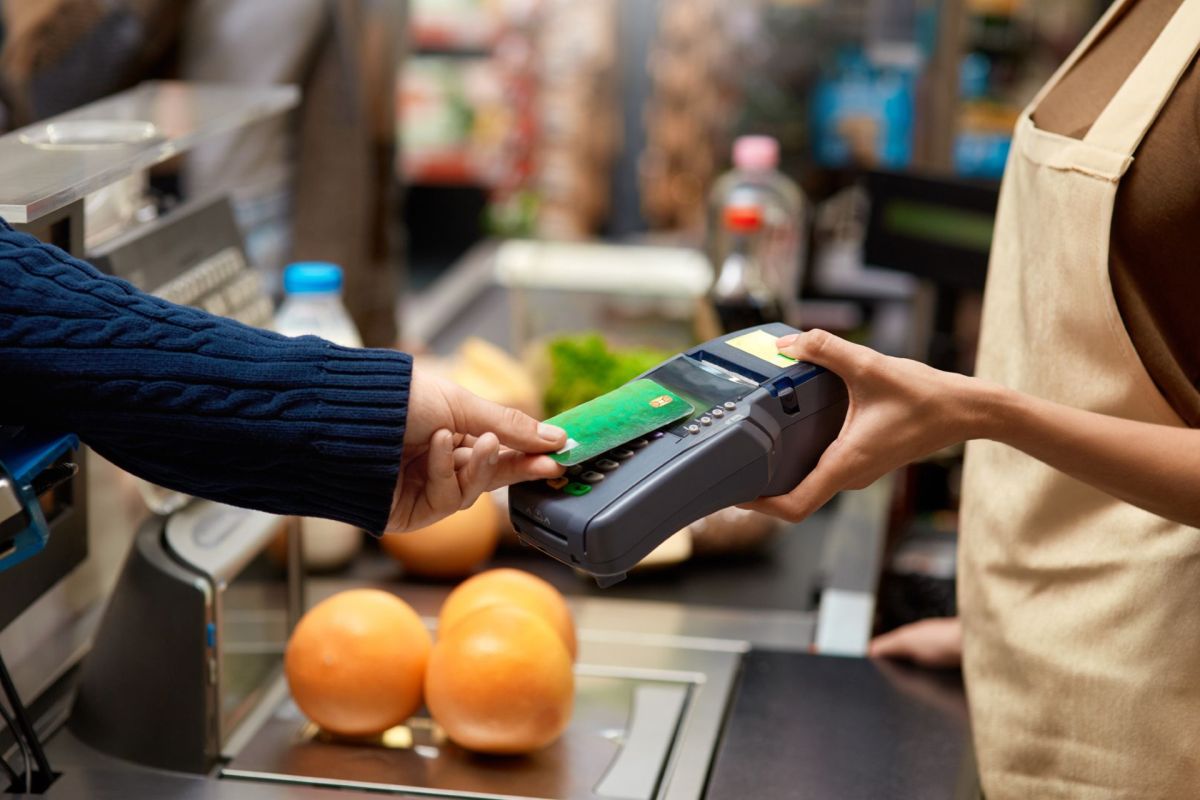
Americans are getting hit with another painful jump in grocery bills.
The increase follows weeks of warnings that the Iran war could send new shocks through the food system, adding to pressure that was already building from extreme weather, higher fuel and shipping costs, and strained agricultural supply chains.
What's happening?
According to NBC News, the latest data from the Bureau of Labor Statistics shows that the "food at home" category climbed 0.7% in April. That was the largest one-month increase in almost four years. It also came right after a 0.2% decline in March, making the turnaround especially sharp.
Over the past year, grocery prices are up 2.9% overall. But some everyday staples have been rising much faster in recent months. Fresh vegetable prices, annualized over the past three months, are up more than 44%. Bread and milk rose at annualized rates of roughly 8% and 5%, while coffee jumped at a pace above 22%.
Beef prices have also been rising, driven by several overlapping problems. Cattle herds are also at very low levels. Many ranchers have left the business after years of thin profits, and farmers are dealing with higher operating costs tied to fuel and energy.
Coffee prices are climbing for similar reasons. NBC News reported that bad weather in Brazil and Vietnam, along with higher shipping costs and strong global demand, has tightened coffee supply and pushed prices higher.
TCD Picks » Quince Spotlight
💡These best-sellers from Quince deliver affordable, sustainable luxury for all




Will Harris, a fourth-generation cattle farmer in Bluffton, Georgia, said beef sold through his farm business now costs about 20% more than it did two years ago. "It's unprecedented for us," he said. "This is the first time we've ever gone up that much, that fast."
The squeeze is getting harder for households because paychecks are no longer keeping up. Inflation reached 3.8% in April, compared with wage growth of 3.6%, according to NBC News' analysis of federal data.
Bank of America also found that spending is increasingly "K-shaped," with higher-income households continuing to spend while lower- and middle-income families pull back more on nonessentials.
Why is this grocery price spike concerning?
Food inflation affects everyone, but it hits lower-income households hardest. When staple items all get more expensive at the same time, families have fewer ways to cut back without sacrificing nutrition, health, or quality of life.
The latest spike is also a reminder of how vulnerable the food system becomes when multiple pressures hit at once. Extreme weather can reduce crop yields. Conflict can disrupt energy markets and shipping routes. Higher fuel costs can raise the price of farm operations, transportation, refrigeration, and packaging. Those costs can move quickly from the supply chain to the checkout line.
Non-renewable energy sources are a big part of the problem. Oil and gas extraction, production, and combustion worsen the extreme weather that damages crops, strains water supplies, and threatens farms, homes, and local economies.
There is also a broader economic risk. If inflation remains elevated, the Federal Reserve could keep interest rates higher for longer. That would increase borrowing costs for businesses and households alike, making it even more difficult for farmers, food producers, and consumers to absorb rising prices.
What can be done about rising grocery prices?
Some of the most important solutions are long-term: building a food system that is less exposed to fuel shocks, geopolitical conflict, and severe weather.
Moving away from non-renewable energy can help in several ways. Cleaner electricity and transportation can reduce exposure to oil price spikes, and more resilient agriculture can help protect harvests from drought, flooding, and extreme heat.
For shoppers, smaller steps, such as choosing seasonal or frozen produce when fresh items spike in price, comparing store brands, cutting food waste, and using lower-cost proteins more often, can all help.

Get TCD's free newsletters for easy tips, smart advice, and a chance to earn $5,000 toward home upgrades. To see more stories like this one, change your Google preferences here.






