


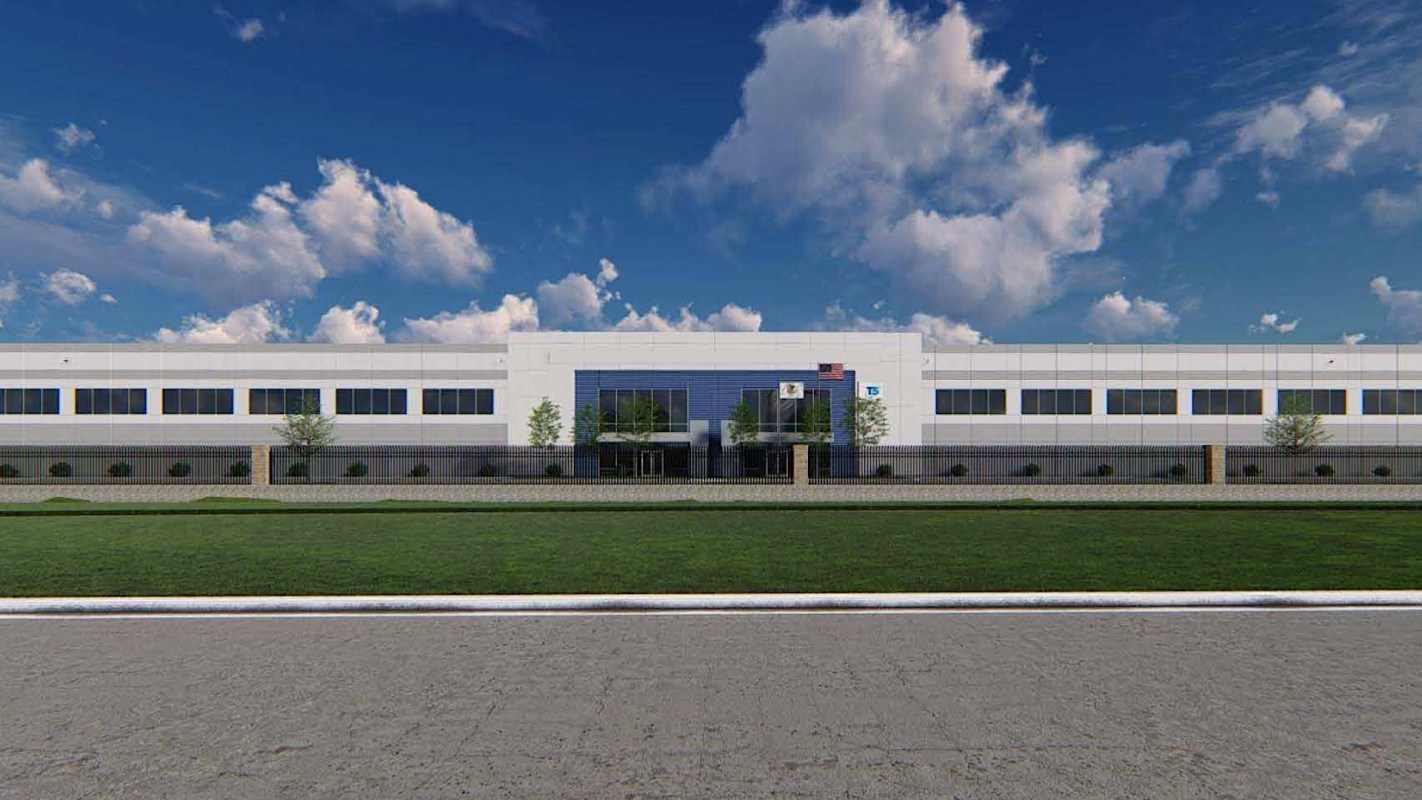
A legal challenge over a proposed data center in Grayslake, Illinois, is creating more discussion about one of the fastest-growing forms of development in the country, the Chicago Tribune reported.
What's happening?
According to the Chicago Tribune, court action has become the latest front in the fight over a proposed data center in the village. Opponents are asking a judge to undo local approvals for the project.
Although data centers are often sold as economic wins, communities view them much differently because of their scale, heavy electricity demand, noise from cooling systems and backup equipment, and the industrial footprint they may add to a neighborhood.
In this dispute, critics are targeting the official decisions that let the project advance and want those approvals thrown out.
According to the Tribune, plaintiffs in the lawsuit against T5 Data Centers sought several forms of relief, including a request that the "judge void previous approvals and agreements."
"We feel like we have a really strong case to present to the court," said Michael Smith, co-founder of the opposition group. "We're hopeful the courts will agree with us and take the steps that we're requesting."
TCD Picks » Quince Spotlight
💡These best-sellers from Quince deliver affordable, sustainable luxury for all




In this case, the lawsuit suggests the approval process itself is also now facing closer scrutiny.
Why does it matter?
Data centers may seem less conspicuous than factories or warehouses, but their resource demands are substantial.
Large facilities require enormous amounts of electricity to power servers, along with significant cooling capacity to keep equipment from overheating, putting pressure on local power systems and, in many cases, water supplies.
Communities can be left weighing land-use changes, strain on utilities, diesel backup generators, and whether promised tax benefits actually outweigh the real costs.
For people living nearby, the issue is often much more personal: what kind of development belongs in a town, and who gets to make that decision.
The frustration surrounding projects like this is also tied to fairness. This dispute shows that local pushback is often a call for accountability.
What's being done?
The main step is the lawsuit, with opponents asking the court to take another look at the approvals and possibly invalidate them.
While the data center's developers appeared confident they could allay locals' concerns, aspects of a recent community meeting suggested otherwise.
The Tribune reported that the event was "unusually well-attended," suggesting pushback from surrounding neighborhoods was substantive.
"They want us to think that the environmental threat is solved. It's not," one resident said at the meeting, according to the Tribune.

Get TCD's free newsletters for easy tips, smart advice, and a chance to earn $5,000 toward home upgrades. To see more stories like this one, change your Google preferences here.






