


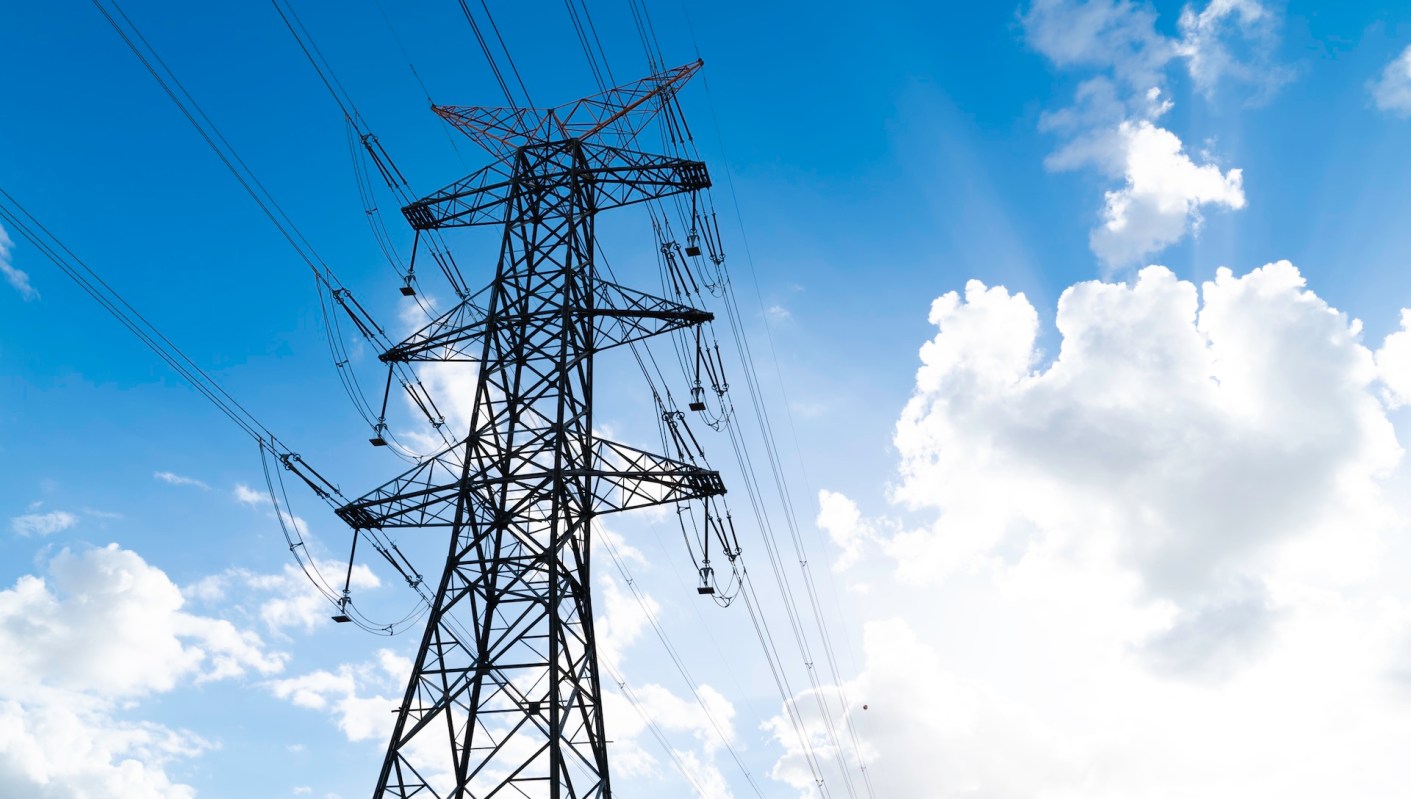
Americans are already struggling to keep up with rising energy bills, and a new proposal from one major Georgia utility company could make things even worse for millions of households — and cost taxpayers almost 1 billion dollars.
What's happening?
Georgia Power asked regulators to approve a plan that would charge customers $912 million over the next four years to recover damages from Hurricane Helene and other major storms, according to Inside Climate News. The request was filed with the Georgia Public Service Commission.
If approved, the plan would add about $4.42 per month to the typical bill of households using 1,000 kilowatt-hours of electricity. Because many homes in Georgia use more energy, lots of families would pay more.
Hurricane Helene struck in September 2024, killing 37 people in Georgia, knocking out power for more than 1.5 million Georgia Power customers, and causing $5.5 billion in damages in the state. The storm was responsible for at least 250 fatalities across the southeast, according to the National Oceanic and Atmospheric Administration, and caused more than $75 billion in total damages.
Advocates say the company's request is troubling because it did not pursue an insurance claim to offset storm damage and instead wants customers to replenish its storm reserve fund.
"I think it's appalling," Patty Durand, founder of Georgians for Affordable Energy, told Inside Climate News.
Why are rising energy costs concerning?
The proposal highlights a growing problem: the cost of stronger storms fueled by rising global temperatures is increasingly showing up on everyday electricity bills.
Researchers found Helene's rainfall was about 10% heavier due to human-driven warming temperatures, according to research. Warmer oceans and a hotter atmosphere allow storms to hold and release more moisture, increasing flooding risks.
Durand also noted that Georgia Power recently received approval for a large expansion plan of new natural gas plants expected to produce roughly 20 million metric tons of carbon pollution annually.
"Within two months," she said, the company is already asking for nearly 1 billion dollars in repair costs for "the most destructive storm in state history — one that can be attributed to climate change."
TCD Picks » Quince Spotlight
💡These best-sellers from Quince deliver affordable, sustainable luxury for all




|
Which of these savings plans for rooftop solar panels would be most appealing for you?
Click your choice to see results and earn rewards to spend on home upgrades. |
 Save $1,000 this year 💸
 For families already struggling with billions of dollars in energy costs, additional charges can add unneeded pressure to monthly budgets already close to their limits.
What's being done about rising energy costs?
Consumer advocates like Durand are urging regulators to closely study the proposal and consider whether utilities should absorb more financial risk from extreme weather that already leads to significant financial strain on households through reduced wages, added healthcare costs, and increased insurance, according to the Department of the Treasury.
Investing in renewable energy, grid upgrades, stronger infrastructure, and resilient local environments like wetlands can reduce long-term costs while lowering pollution.

Get TCD's free newsletters for easy tips to save more, waste less, and make smarter choices — and earn up to $5,000 toward clean upgrades in TCD's exclusive Rewards Club.
Cool Picks





